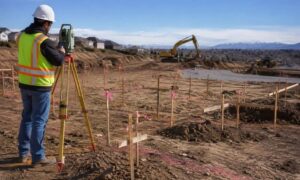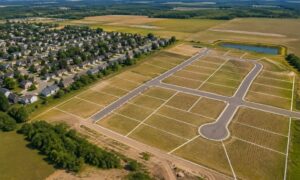
Before you pour a foundation or break ground on your next project in Denver, ask yourself this: What’s below the surface?
Too often, homeowners and developers overlook the critical role that soil testing plays in construction success. In a region like Denver, Colorado, where clay soils, groundwater, and slope variation are common, failing to understand your site’s soil conditions can lead to expensive structural issues, delays, or even total project redesigns.
In this article, we’ll walk through what soil testing is, why it’s essential before construction, and how it safeguards your investment—whether you’re building a custom home, commercial site, or multi-family development.
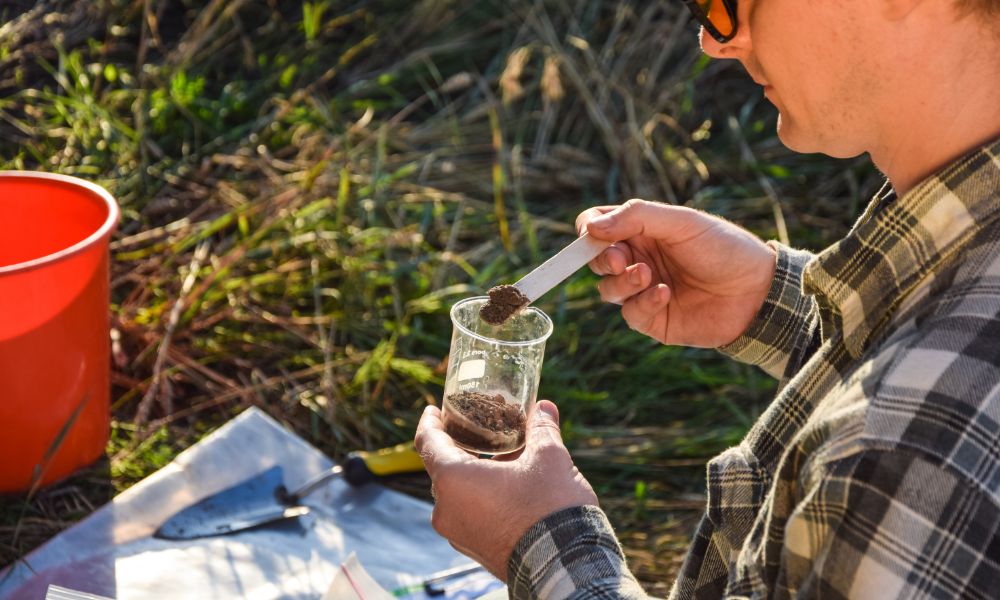
What Is Soil Testing in Construction?
Soil testing (also called geotechnical testing) is the process of analyzing the physical and chemical properties of the ground where you plan to build. It helps determine:
- Soil composition (clay, sand, silt, gravel)
- Moisture content and drainage capacity
- Load-bearing strength (how much weight it can safely support)
- Compaction levels and potential for movement
- Presence of contaminants (in urban or industrial areas)
These factors inform foundation design, grading plans, and overall site feasibility.
Why Soil Testing Is Especially Important in Denver
Colorado—and Denver in particular—has highly variable soil conditions. Some neighborhoods rest on expansive clay that swells when wet and shrinks when dry. Others may have sandy, loose soils that don’t hold structures well.
Here’s why testing is essential in the area:
- Avoid Foundation Failure: Poor soil can crack slabs, shift piers, or cause basements to leak.
- Meet Permit Requirements: Some cities, including Denver, may require a geotechnical report before issuing construction permits.
- Prevent Drainage Problems: Knowing where water will flow (or pool) helps design better drainage and stormwater systems.
- Protect Long-Term Value: Properties built on stable soil retain value and avoid costly repair work later.
What Does a Soil Test Involve?
A qualified geotechnical engineer or soil testing firm performs the following steps:
- Site Visit & Boring: Technicians drill small boreholes to collect soil samples from various depths.
- Lab Testing: Samples are analyzed for moisture, density, strength, and composition.
- Engineering Report: A detailed summary recommends foundation types, soil prep, and any concerns.
Common Soil Problems Uncovered in Denver Projects
Here are some issues that soil testing often reveals—before they become construction problems:
- Expansive Clay: Found in many Denver neighborhoods, especially south and east. Requires special foundations.
- Poor Drainage: Can lead to waterlogging, mold, or erosion under buildings.
- Fill or Debris: Urban infill lots may contain construction debris or backfill that isn’t stable.
- Bedrock or Shallow Water Tables: Affect excavation depth and cost.
Real-Life Example: Residential Build in Lakewood
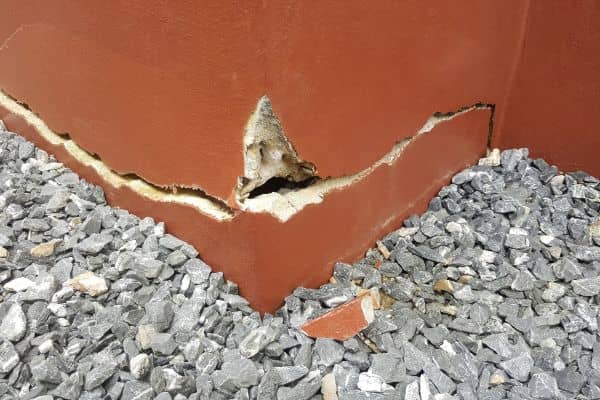
A custom home project in Lakewood, just west of Denver, ran into trouble when the builder skipped soil testing. A few months after framing, foundation cracks appeared, and doors stopped closing properly. A belated geotechnical inspection revealed expansive clay—which could have been managed with pier foundations and moisture barriers if caught earlier.
Total cost of repairs: over $35,000. Cost of soil testing they skipped: about $1,800.
Who Needs Soil Testing Before Construction?
✅ You should order soil testing if:
- You’re building a new home or addition
- Planning a commercial or industrial project
- Redeveloping an urban infill lot
- Building in areas with known soil issues
Even small projects like detached garages or ADUs (accessory dwelling units) may need testing, depending on location and zoning requirements.
How Soil Testing Supports Grading and Drainage Design
Once soil properties are known, your engineering team can:
- Adjust grading to avoid erosion or low spots
- Add drainage swales or French drains for water control
- Select proper foundation type based on soil stability
- Prevent stormwater pooling near buildings
📘 Learn how topo data also supports water flow planning:
👉 Boost Property Value with a Topographic Survey in Denver
How Much Does Soil Testing Cost in Denver?
Typical cost ranges (depending on lot size and project scope):
| Property Type | Estimated Cost Range |
| Residential (1–2 tests) | $1,200 – $2,500 |
| Large residential/multifamily | $2,500 – $5,000+ |
| Commercial/industrial site | $4,000 – $10,000+ |
Costs include field sampling, lab analysis, and written report.
How to Schedule Soil Testing in Denver
You can start by contacting a local geotechnical engineer or civil engineering firm. Many land surveying companies also partner with soil testing labs and can coordinate the entire service.
Don’t Build Blind—Start from the Ground Up
In Denver, soil testing isn’t just a box to check—it’s a smart, preventive step that can save tens of thousands of dollars in future repairs or redesigns.
Whether you’re planning a single-family home or a commercial site, invest in the data that tells you what you’re building on. It’s the ground truth every project needs.