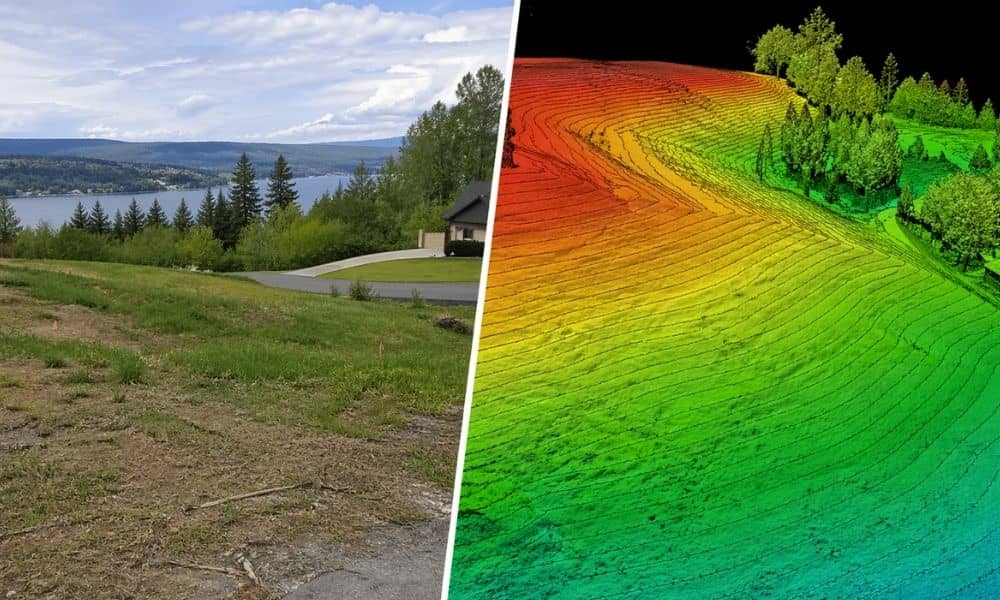
Buying a sloped lot can feel like a smart move at first. The views are better, the space feels open, and the land often looks more private. Still, that same slope can bring problems that don’t show up right away. Many people walk on a property, like what they see, and move forward. Later, they find out the land needs more work than expected.
That is where lidar mapping becomes useful. It gives you a clearer picture of how the ground actually behaves. Instead of relying on what you see, you start working with real elevation data. That shift helps you make better decisions early, before money gets tied up in the wrong property.
Why Sloped Lots Can Be Misleading at First Look
A sloped lot does not always mean trouble. Some slopes are easy to work with and fit well with certain home designs. Others create challenges that quickly raise costs.
The problem is simple. Most of the risk sits below the surface. When you stand on a lot, you may not notice how much the elevation changes across the property. You also might miss how water will move during heavy rain.
As a result, buyers often focus on what the land looks like, not how it behaves. That gap leads to surprises later. Grading may cost more than expected. Drainage issues may show up after the build starts. Driveway access may not work as planned.
Because of this, visual checks alone are not enough. You need a way to study the slope before making a decision.
What Lidar Mapping Data Helps You See Clearly
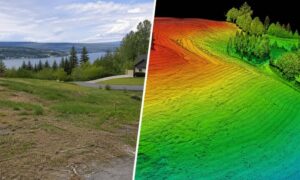
Lidar mapping shows the shape of the land in detail. It highlights changes in elevation that are hard to spot with the eye alone.
When you review lidar data, you begin to notice patterns. You can see where the land rises and where it drops. You can also see how steep certain areas are, even if they looked flat during a site visit.
Another key benefit is understanding high and low points. These points control how water moves across the lot. If you place a home in the wrong spot, water may flow toward it instead of away from it.
This kind of insight changes how you look at the property. You stop guessing and start reading the land with more confidence.
How Lidar Mapping Data Helps You Judge the Slope
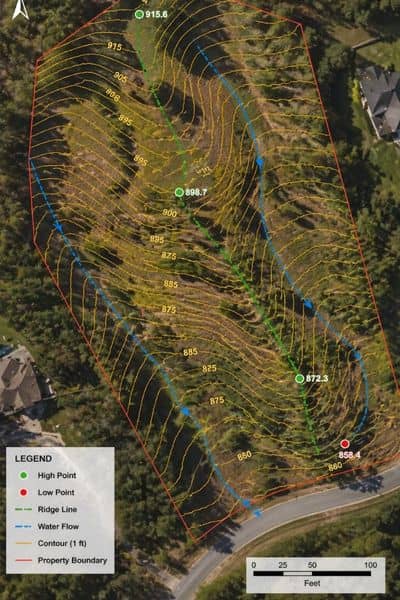
Once you open lidar mapping data, the first thing to check is how much the land changes from one side to the other. A small change often means easier construction. A large change can signal more grading and higher costs.
As you continue reviewing the data, you start to notice how the slope spreads across the lot. Some areas may stay steady, while others shift quickly. Those sudden changes often lead to extra work during construction.
Water movement also becomes easier to understand. Since water follows the slope, you can track where it will likely travel. If the flow heads toward the center of the lot, that is a sign to pause and look closer. On the other hand, if water moves away from the main build area, the land may be easier to manage.
At the same time, lidar data helps you spot sections that feel more stable. These areas often work better for placing a home or planning access. Finding even one good section can make a big difference in how the project moves forward.
Where Lidar Mapping Data Falls Short
Lidar mapping is helpful, but it is not the final answer. Public data sources often provide a good starting point, yet they may not show every small detail.
For example, older datasets may miss recent changes to the land. Tree cover or surface conditions can also affect how the data appears. Because of this, you should treat lidar as a screening tool, not a final decision tool.
At this stage, the goal is simple. You want to decide if the lot deserves a closer look. If the data shows major concerns, you can step back before spending more money.
Why Early Review Can Save You From Costly Mistakes
Looking at lidar mapping data early can change the outcome of a project. Instead of reacting to problems later, you catch them before they grow.
A steep section may require more grading than planned. A low area may collect water and need drainage work. A narrow flat zone may limit where a home can sit. Each of these issues adds time and cost.
When you spot them early, you have options. You can adjust your plans, renegotiate the purchase, or move on to a better property. That flexibility helps protect your budget.
At the same time, early review builds confidence. When a lot checks out well, you can move forward without second guessing the decision.
When It Makes Sense to Bring in a Professional
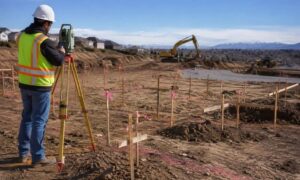
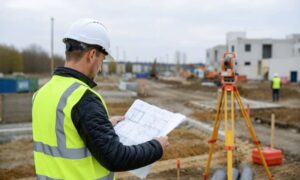
There comes a point when lidar data alone is not enough. Once you decide to move forward with a property, a professional surveyor becomes important.
They provide exact measurements and confirm key details needed for design and approval. This step supports construction planning and helps avoid delays.
Lidar mapping helps you get to that point with better information. It does not replace the full survey, but it helps you decide when the investment makes sense.
Making a Smarter Decision Before You Commit
Sloped lots can work well when you understand what you are dealing with. The challenge is not the slope itself, but the lack of clear information early on.
With lidar mapping, you gain that clarity. You can study the land before making a commitment. You can see how elevation, slope, and water flow come together.
That early understanding leads to better choices. Instead of facing surprises later, you move forward with a clear view of what the land requires.