You’re ready to build a fence. You picked the design, talked to a contractor, and set a budget. Everything feels simple at first.
Then the permit comes into play.
At that point, many homeowners in Denver realize they don’t have clear information about their property lines. They may have a rough idea, but the city doesn’t accept rough estimates. Plans need real measurements, and those measurements must match the actual lot.
That’s where a boundary survey becomes important. It gives you the exact layout of your property so your fence plan lines up with what the city expects.
Why Fence Permits in Denver Often Get Delayed
Fence permits move fast when the plan is clear. They slow down when details are missing or unclear.
In many cases, the issue is not the fence itself. The problem is how the fence is shown on paper. If the location is not tied to exact property lines, the plan gets flagged. If the distances are unclear, it goes back for revision. If the fence appears too close to an alley or sidewalk, it raises more questions.
Because of that, the review process becomes longer than expected. Homeowners often think they need to fix the design, but the real issue is the lack of verified boundary data.
What the City Looks for in a Fence Permit Plan
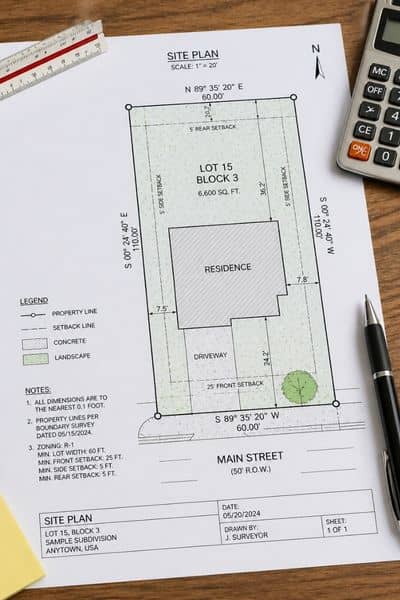
The city is not asking for anything complicated. It wants a clear layout that shows where everything sits.
That includes your property lines, the fence location, and the distance between them. It also includes nearby features such as your house, driveway, or garage. If your lot touches a street or alley, that needs to be shown as well.
A simple drawing can work, but it must be accurate. When the layout looks like a guess, it creates doubt. That’s when plans get pushed back.
Why a Boundary Survey Makes the Process Easier
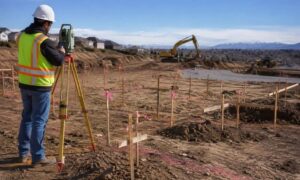
A boundary survey removes the guesswork. It shows where your property starts and ends with real measurements.
Many homeowners rely on what they see. They look at an old fence, a line of grass, or a marker in the ground. While those clues can help, they don’t always match the actual boundary.
A survey gives you a clear and current layout. Because of that, your fence plan becomes easier to prepare and easier to approve.
What You Need to Confirm Before You Submit Your Plan
Before sending your permit application, you need to be sure your layout reflects the real property lines.
Start with your corners. You should know where they sit and how they connect. If those points are unclear, the rest of your plan will not hold up.
Next, look at your fence placement. The distance between the fence and your boundary should be clear and easy to read. Even small gaps matter here, so precision helps.
You also need to think about easements. Many Denver properties include space for utilities or access paths. These areas can affect where you place your fence, even if they are not obvious on the surface.
Then consider nearby streets or alleys. Some homeowners assume those edges are part of their yard, but that is not always the case. If your fence crosses into that space, your plan may need changes.
Finally, your measurements should match what you submit. If your numbers come from old records or online maps, they may not reflect current conditions. Verified data keeps everything consistent.
What Happens When These Details Are Missing
Skipping these steps often leads to delays. Plans get returned with requests for more detail, and each revision takes time.
In some cases, homeowners move forward with construction based on an early layout. Later, they find out the fence needs to shift to match the actual boundary. That creates extra work and added cost.
It’s easier to confirm everything upfront than to fix it later.
When a Boundary Survey Becomes Necessary
Some properties make this step more important than others.
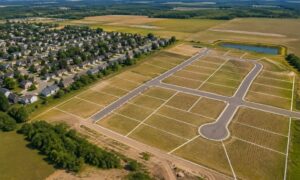
Older neighborhoods often have unclear markers. Lots with unusual shapes can be harder to measure without help. Homes near alleys or shared edges also bring more risk if the layout is not precise.
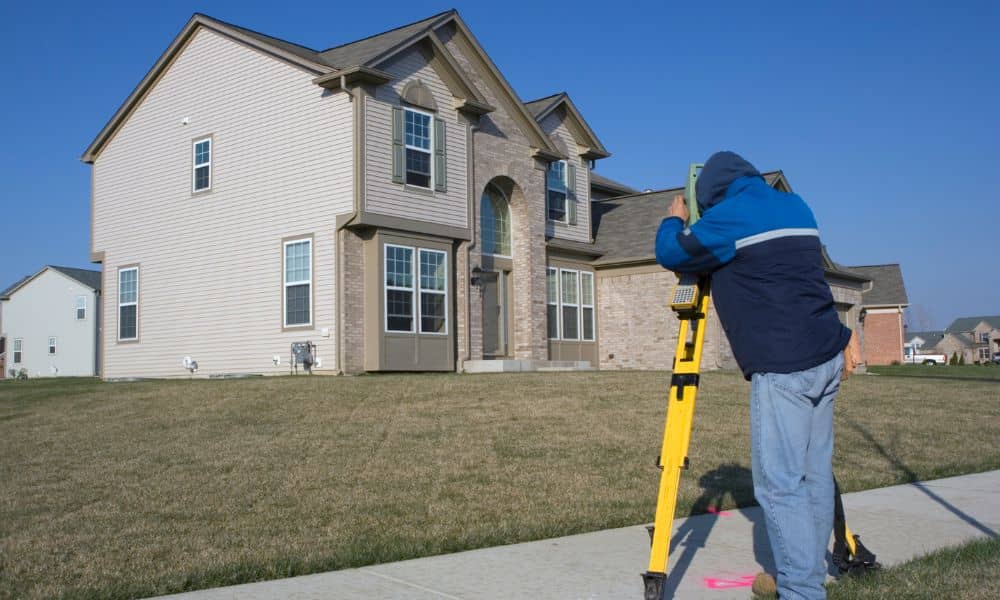
In these situations, a residential surveyor provides the clarity you need. Instead of guessing, you work with exact measurements that match your property.
How Accurate Data Speeds Up Approval
Clear plans move through review faster. When your layout shows exact distances and well-defined boundaries, there are fewer questions from the city.
That also helps your contractor. They can follow a plan that matches real conditions on the ground. As a result, the project stays on track from start to finish.
Working With a Land Survey Company
A local land survey company understands how permit reviews work. They know what details matter and how to present them clearly.
For a fence project, you don’t need a complicated report. You need accurate boundary information that fits your plan. That’s what helps you move forward with confidence.
Start With the Right Information Before You Build
Fence projects feel simple, but the permit process adds a layer of detail that many homeowners don’t expect.
When your plan is based on accurate measurements, everything becomes easier. The review process moves faster, the layout stays consistent, and the build goes as planned.
Before you submit your permit, make sure your property lines are clear. That one step can save you time, cost, and frustration later.