Most people think land size and zoning decide how many lots they can create. That sounds right at first. Still, in Denver, water often makes the final call.
Water supply has become a real limit for new development. Local agencies now look closer at how much water a new subdivision will use. Because of that, many projects change before they ever reach approval. Some lose lots. Others need a full redesign.
If you plan to divide land, this matters more than ever.
Why Water Comes First in Subdivision Planning
Subdivision planning means turning one piece of land into smaller lots. Each lot must work on its own. That includes access, utilities, and basic services.
Water is often the first thing that gets reviewed.
Every lot needs a reliable water source. That means more than just a nearby pipe. The system must handle the added demand. It must also support daily use and emergency needs.
Because of that, cities review water supply early. If the system can’t support the plan, approval slows down or stops.
So even if your land looks perfect on paper, water can still change everything.
What’s Happening in Denver Right Now
Denver has seen tighter water conditions in recent years. Dry seasons and rising demand have pushed cities to watch usage more closely.
That shift affects new subdivisions first, especially in growing parts of Denver where demand continues to rise.
Review agencies now ask more questions during planning. They want to know how much water each lot will use. They also look at long-term impact, not just current supply.
As a result, new projects face more review than before. Plans that worked a few years ago may not pass today.
That change catches many property owners off guard.
How Water Supply Affects Lot Count
Here’s where things get real.
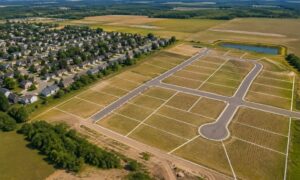
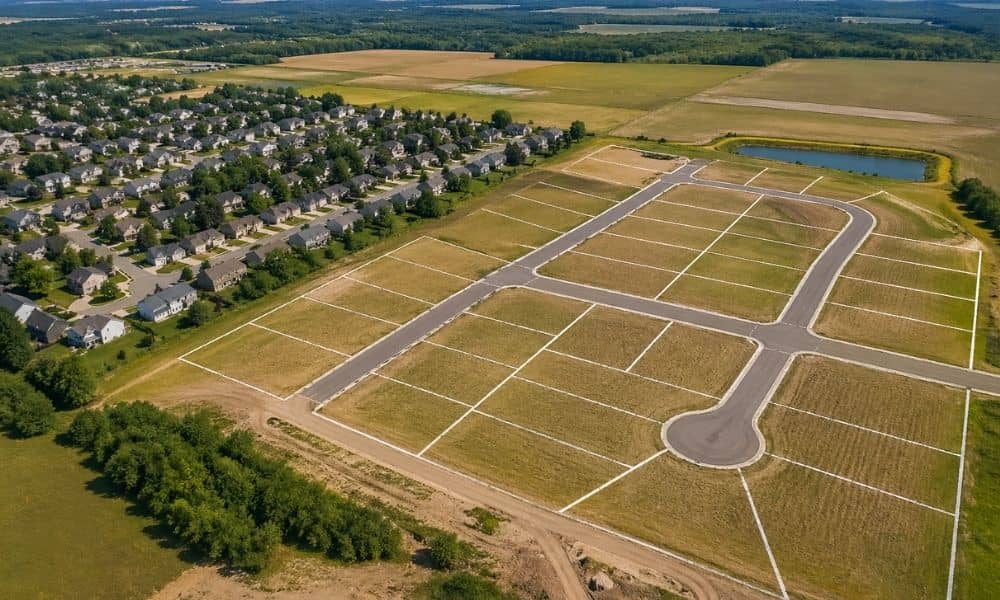
Say you own a large parcel. You plan to divide it into ten lots. You check zoning, and it allows ten. That feels like a green light.
Then water review begins.
The system may only support eight homes instead of ten. Now the plan must change. That means fewer lots, lower returns, and a new layout.
This happens more often than people expect, especially on larger properties.
Water demand grows with each new lot. If the system can’t keep up, the project shrinks. So the number of lots you can create often depends on water capacity, not just land size.
Water Access Isn’t Always Simple
Some properties sit far from main water lines. Others connect to systems that already run near capacity.
In both cases, access becomes a challenge.
You may need to extend a water line to reach your site. That adds cost and time. You might also need easements to cross nearby land. That can delay the project even more.
Even when a line sits close, the system may still lack capacity. So distance alone doesn’t solve the problem.
This step often surprises first-time developers. They assume water sits ready for connection. In reality, each site needs its own review.
Fire Flow Requirements Can Limit Your Plan
Water supply doesn’t just cover daily use. It must also handle emergencies.
Fire flow refers to the amount of water needed to fight a fire. Each subdivision must meet that standard. It depends on lot size, spacing, and building type.
If the system can’t provide enough flow, the plan must adjust.
That could mean fewer lots. It could also change how roads and hydrants are placed. Sometimes it leads to larger spacing between homes.
Fire flow rules don’t get much attention early on. Still, they play a big role in approval.
Common Mistakes That Delay Approval
Many subdivision plans run into the same problems, and most of them are avoidable.
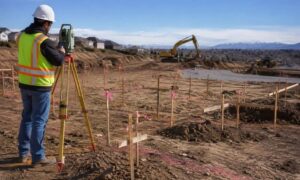
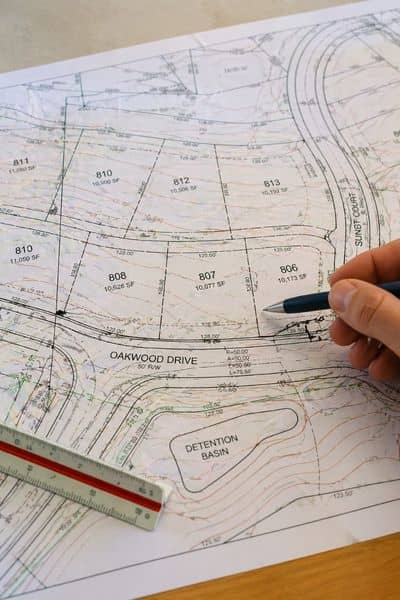
Some property owners jump straight into designing the lot layout. They assume utilities will fall into place later. In many cases, that also means moving forward without a land survey before subdividing property, so small issues don’t show up until the design is already set. That’s when redesign becomes hard to avoid.
Others expect their land to support more lots than it really can. They look at zoning and think everything checks out. Then the water review comes in and brings that number down.
Some also wait too long to reach out to utility providers. By the time they start asking questions, the layout is already locked in. Changes at that point cost more and take longer.
Most of these problems don’t come from bad planning. They happen because a few key steps get skipped early on.
A Real Scenario That Happens All the Time
A landowner plans to split a parcel into several lots. The layout looks clean. Access roads fit well. Everything seems ready.
Then water review begins.
The local system can’t support the full plan. It falls short by a small margin, but enough to block approval.
Now the owner must reduce the number of lots. That change affects the entire layout. Roads shift. Lot lines move. The project timeline stretches.
All of this could have been avoided with an early water check.
What to Check Before You Start
Before you move forward with subdivision planning, take a few simple steps first.
Start by checking if water service is available near your property. Then see if the system can handle the number of lots you have in mind. After that, look at where connections can be made and whether any extensions are needed.
You’ll also want to understand fire flow requirements, since those can affect both your layout and how many lots get approved.
At this stage, many property owners bring in subdivision planning services to get a clearer picture of what’s actually possible on their land. It helps catch issues early and avoids having to redo plans later, especially when approval depends on getting these details right from the start.
That alone can save time, money, and a lot of stress.
Why This Matters for Property Owners
Subdivision planning shapes the value of your land. The number of lots you can create affects the return on your investment.
Water supply now plays a major role in that outcome.
If you ignore it, your project may shrink or stall. If you plan for it early, you gain more control over the process.
Denver continues to grow, but water limits remain. That balance will keep shaping how land gets divided and approved.
So before you draw lot lines, check the water.
In many cases, it decides how far your project can actually go.