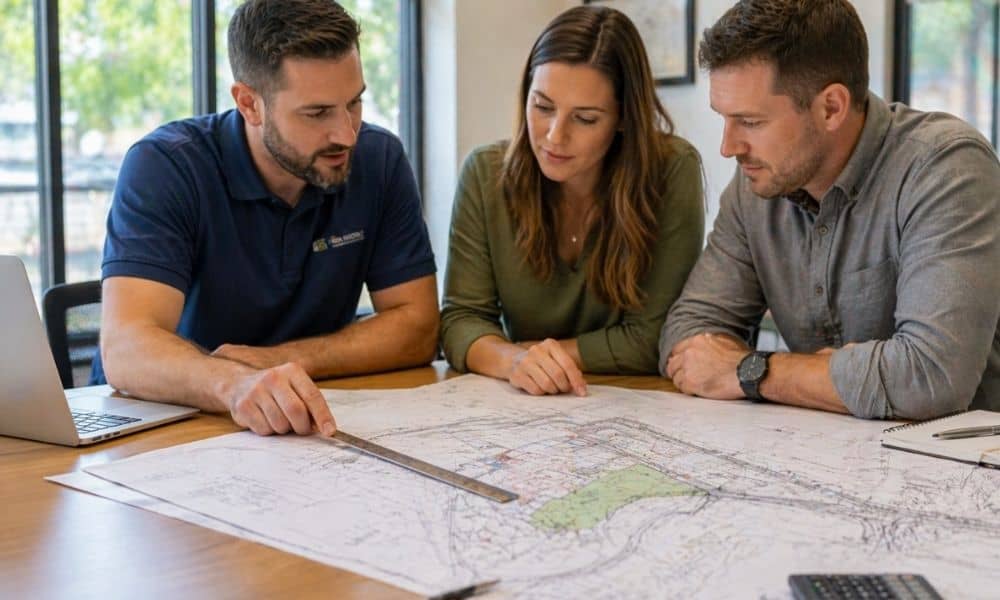
You start a project expecting it to move fast. Plans are ready, and the design looks clean. Then the city reviews your submission and asks for a drainage report.
It catches you off guard.
Everything slows down, and this is usually when a civil engineer is brought in to help figure things out. Most property owners don’t expect it, so it feels like it came out of nowhere. One minute you’re ready to move forward, the next you’re trying to understand what changed.
In most cases, it comes down to how your project affects water, not how simple the plans look on paper.
Why the City Cares About Drainage in the First Place
Every property has its own way of handling water. When it rains, some of it soaks into the ground, while the rest moves toward lower areas.
Your project can shift that without you noticing.
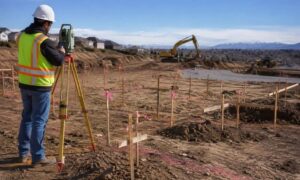
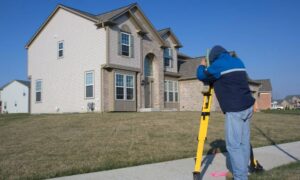
Even small updates can send water toward a neighbor’s yard or a nearby street, and that’s where problems start. Before anyone can figure out what’s happening on the site, it usually begins with a detailed land survey of the property so you get a clear picture of how everything is laid out.
From there, the city looks at the risk and asks for proof that your plans won’t cause issues.
That proof comes from a civil engineer through a drainage report.
Why This Requirement Feels Unexpected
A lot of projects seem simple at first.
A driveway extension. A home addition. A layout change.
None of that feels like it should trigger extra review. Still, the city doesn’t focus on how simple the project feels. It looks at what changes on the ground.
Once the surface changes, water behaves differently. That’s when the requirement shows up, often after you already submitted plans.
That timing is what frustrates most people.
Where a Civil Engineer Steps In
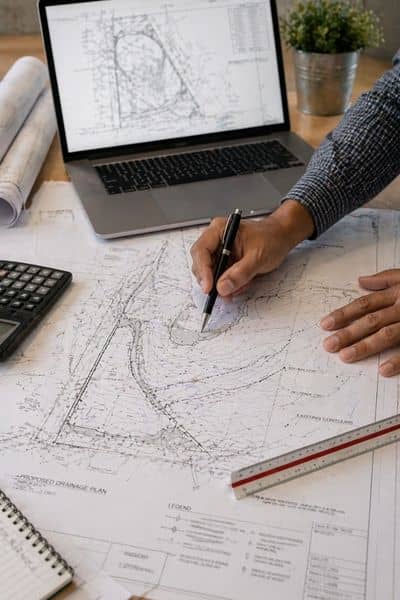
A civil engineer gets involved the moment drainage becomes part of the review.
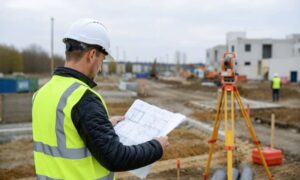
They don’t just write a report. They study how your site works before and after the project. They look at slope, surface, and flow. Then they explain how water will move once construction is done.
That explanation is what allows the city to move your project forward.
Without it, approval stops.
How Simple Changes Can Trigger a Drainage Report
The trigger usually comes from changes you might not think twice about.
When you reshape the ground, even a little, water finds a new path. When you add concrete or asphalt, water can’t soak into the soil anymore. It moves faster and collects in different places.
Those shifts matter.
They can increase runoff or send water where it wasn’t going before. That’s enough for the city to ask for a drainage report prepared by a civil engineer.
Why It Often Happens During Plan Review
Many people expect to know every requirement before they submit plans.
That’s not how it usually works.
You submit, the city reviews, and then comments come back. One of those comments can be a request for a drainage report.
Now the process pauses.
You need to bring in a civil engineer, update your plans, and resubmit. That loop adds time and cost, and it can feel avoidable once you see it happen.
What Delays Look Like in Real Projects
The delay doesn’t come from the report alone.
It comes from timing.
Plans go back for revision. Contractors wait. Schedules shift. Costs start to move upward.
In some cases, the design needs changes to meet drainage requirements. That means rework, not just paperwork.
All of that traces back to one thing. The drainage question showed up late.
Why Early Involvement Changes Everything
Bringing in a civil engineer early gives you a different path.
They can look at your project before submission and spot potential issues. They can tell you if drainage will likely come up during review. They can guide the layout so it lines up with what the city expects.
That early step avoids the stop-and-start cycle that happens later.
Instead of reacting to comments, you move forward with a plan that already fits the requirements.
A Situation That Happens All the Time
Picture a homeowner adding more space for parking.
The change feels small. It solves a problem. It improves access.
Plans go in for review.
The city notices that the new surface will increase runoff. A drainage report becomes required.
Now the project pauses while a civil engineer steps in, studies the site, and prepares the report. Only after that can the process continue.
This situation repeats across many projects, even ones that seem minor at the start.
Why This Step Protects More Than Your Property
Water doesn’t stop at property lines.
If runoff increases, it can affect nearby homes, sidewalks, or roads. That’s why the city looks closely at drainage during review.
The report shows that your project won’t create those issues.
A civil engineer makes that case with real data, not guesses. That protects your project and the surrounding area at the same time.
What to Keep in Mind Before You Start
Not every project needs a drainage report. Still, many do, and the requirement often shows up after submission.
If your project changes the ground, adds hard surfaces, or goes through formal review, there’s a good chance it will come up.
Knowing that early makes a big difference.
It helps you plan better, avoid delays, and keep your project moving without surprises.