Cities across the United States are building more data centers than before. These buildings power cloud storage, streaming services, and artificial intelligence tools. However, Denver is now taking a closer look at how these projects affect the city. Local leaders recently started discussing a possible pause on new data center construction. They want to review rules about energy use, water use, and zoning. Because of this debate, many people in construction and development are paying attention. In particular, every site engineer working on large projects wants to see what happens next. The decision could affect how future projects are planned in Denver and other growing cities.
Why Data Centers Are Not Like Typical Buildings
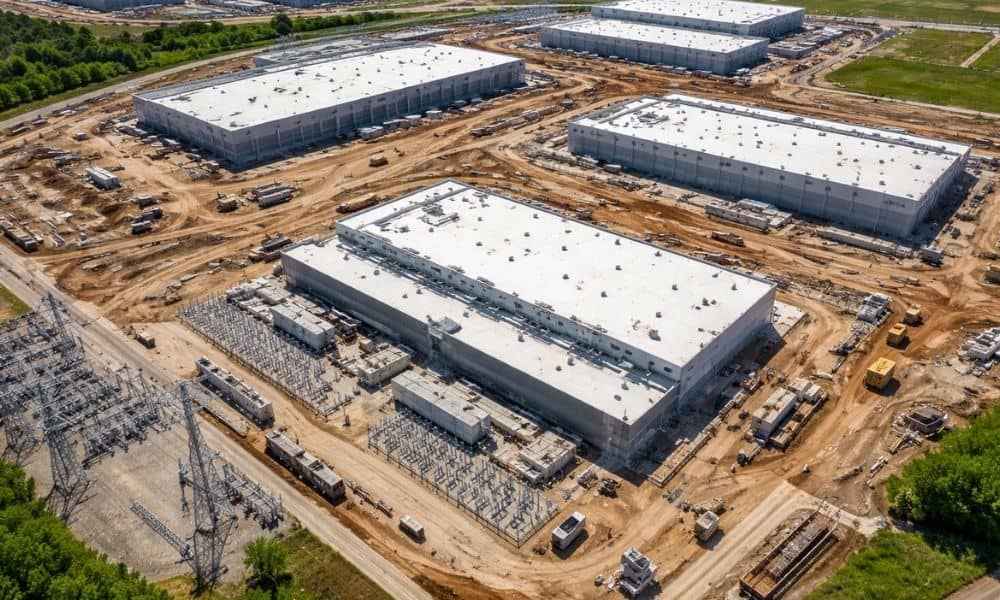
At first, a data center may look like a simple warehouse. However, the reality is very different. These buildings hold thousands of servers. The servers run day and night.
Because of that, they need large amounts of electricity and cooling.
For that reason, building a data center involves more than placing a structure on land. The entire site must support heavy infrastructure.
For example, most projects need:
- large power connections
- backup generators
- cooling systems to control heat
- strong roads for equipment delivery
Because of these needs, a site engineer must study the land before construction begins. Engineers check drainage, utilities, land shape, and nearby infrastructure.
Without this step, developers may face delays. They may also face expensive changes later.
Why Denver Is Reviewing Data Center Projects
Denver has grown quickly in recent years. Because of this growth, many companies want to build data centers in the region.
However, city leaders want to understand how these projects affect local resources.
One concern is electricity. Data centers use a lot of power because servers run all the time. One large data center can use as much electricity as many homes.
Water use is another concern. Some cooling systems use large amounts of water. This water keeps equipment from overheating.
Water is already valuable in the region. Because of this, the city wants to review how much these facilities may use.
Because of these issues, Denver officials are considering a temporary pause on new data center projects.
This pause would allow planners to review rules. It would also help them study infrastructure capacity and environmental impacts.
Naturally, this discussion has caught the attention of engineers and developers across the area.
Why Developers Are Watching the Situation
When cities review development rules, project plans can change quickly. Because of this, developers must stay informed.
Companies planning a data center must now think about questions such as:
- Can the power grid support the project?
- Does the area have enough water resources?
- Will zoning rules allow the facility?
- Can nearby roads and utilities handle the demand?
These questions appear long before construction starts.
Because of this, developers often rely on the experience of a site engineer during early planning.
By studying the site early, engineers can find problems sooner. This helps developers avoid delays. It also helps them avoid redesigns.
The Work a Site Engineer Does Before Construction

Many people picture construction as trucks, cranes, and workers on site. However, most planning happens before that stage begins. This early stage is where a site engineer plays an important role.
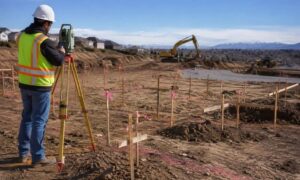
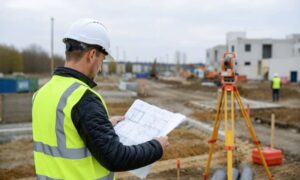
First, engineers study the land. They check soil conditions, slopes, and drainage paths. In many projects, this work begins with land surveying services, which help engineers understand property boundaries and elevation changes across the site.
Next, they design grading plans. These plans allow rainwater to flow safely across the property. Engineers also coordinate utilities. Data centers need reliable electricity and strong internet connections.
Sometimes a project needs new power systems. Other times, nearby utilities must be upgraded. Engineers also review environmental factors. These include stormwater systems, flood risks, and city regulations.
Because data centers place heavy demand on land and utilities, these steps become even more important.
Why Early Engineering Planning Matters
Many construction delays happen when planning starts too late.
For example, a developer may submit a project for approval. Later, the team may discover the power supply cannot support the building.
At that point, the project must change. The team may need to redesign the project or find new infrastructure solutions.
Early site evaluation helps prevent these problems.
When a site engineer studies the site early, developers gain several advantages.
They understand land limits sooner. They see drainage challenges earlier. Utility companies can also plan power capacity earlier.
City planners receive clearer project plans.
Because of this, projects move forward more smoothly.
What This Debate Means for Future Development
The Denver data center discussion reflects a larger trend across the country.
Technology projects are growing larger. Cities must balance growth with infrastructure limits.
Facilities such as data centers, warehouses, and technology campuses require strong power systems. They also require water access and careful land planning.
Because of this, cities are reviewing how these developments fit into their communities.
They want to support economic growth. At the same time, they want to protect local resources.
Because of these changes, planning and engineering now play a bigger role in construction projects.
The Bigger Lesson for Developers
The debate in Denver shows that large technology projects involve more than building a structure. Successful projects require careful planning and strong engineering guidance.
Developers must understand land conditions. They must also understand infrastructure capacity and city rules before construction begins. Because of this, many developers bring in experienced engineers early in the process to provide civil engineering services that guide site planning, infrastructure layout, and utility coordination.
Engineers help developers evaluate land, plan utilities, and prepare projects that meet city requirements. Early planning also helps teams avoid delays, design changes, and unexpected costs later in construction.
In the end, the outcome of Denver’s discussion may influence future technology development. However, it also highlights an important lesson for anyone planning large projects.
Strong development always starts with strong site planning.