Denver keeps growing. New homes, mixed-use buildings, small infill projects, and commercial redevelopments continue to shape the city. However, many local builders say the process behind these projects feels different than it did a few years ago. Today, land development in Denver requires more planning, more teamwork, and more strategy. Builders are not panicking though. Instead, they are adjusting. They are learning how to move smarter through the system — and that shift makes a big difference.
Denver’s Land Development Process Is Changing
Over the past year, more builders and engineers have talked about longer review times and stricter plan checks. Many say zoning reviews feel tighter, and drainage plans get closer review.
At the same time, Denver continues to grow. More housing demand means more permit applications. More applications mean more time for review.
Because of that, land development now requires stronger preparation before plans go to the city.
Builders who once moved quickly with basic plans now spend more time coordinating early. That change is not negative — it is smart.
Longer Review Times Mean Better Planning
Many local builders say review comments are more detailed. Drainage plans, grading layouts, and utility connections often get close attention.
So, successful teams now prepare earlier.
Instead of waiting for city comments, they:
- Study drainage patterns first
- Confirm utilities before final design
- Coordinate survey and civil plans early
- Review zoning before buying property
When builders take these steps early, they reduce revisions later. That saves time and money.
In land development, fixing problems early always costs less.
Zoning Requires Careful Review
Denver continues to adjust zoning rules, especially for housing density and neighborhood fit. While these changes support growth, they require more attention from developers.
For example, small infill builders often face questions about height, setbacks, and parking. Duplex or townhome projects may raise neighborhood concerns.
Because of that, many builders schedule pre-application meetings.
These meetings help clarify city expectations before official plan submission. They also prevent surprises.
Instead of guessing how a rule applies, builders ask early and document answers. That step strengthens the entire land development plan.
Drainage and Infrastructure Matter More
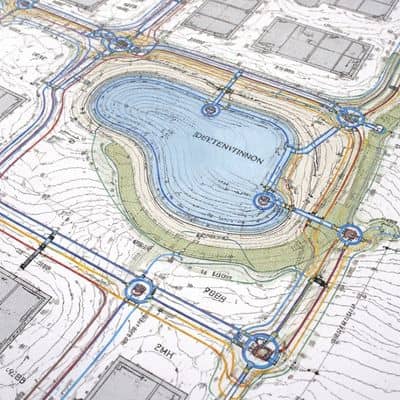
Stormwater planning has become a major focus in land development. Denver wants careful drainage design, especially on redevelopment sites.
As a result, civil plans must clearly show grading, water flow, and detention areas.
Builders who once handled drainage later now handle it first.
They review:
- Existing slopes
- Water flow from nearby areas
- Soil conditions
- Downstream impact
When teams study these details early, they avoid redesign later.
Traffic access and site entry points also receive closer review. Even small commercial projects may need more documentation now.
So again, preparation leads to smoother approval.
Teamwork Makes a Big Difference
Communication plays a major role in the land development process.
Builders who succeed work closely with surveyors, engineers, and designers from the start.
For example, accurate boundary surveys prevent layout changes later. Clear topographic data supports strong drainage design. As a result, fewer revisions happen during review.
Architects and civil engineers also coordinate early. When grading conflicts with building placement, delays follow. Early teamwork prevents that problem.
In short, land development works best when teams plan together, not one after another.
Builders Plan for Flexible Timelines
Because review times can vary, smart builders build extra time into their schedules. Instead of assuming the fastest approval, they create realistic buffers.
That protects financing and construction timelines.
Investors also ask more questions before buying land. They want to understand zoning limits, utility access, and permit risk before closing.
So, feasibility studies now include:
- Zoning checks
- Utility review
- Drainage review
- Site grading limits
- Access planning
When buyers complete these steps early, they reduce risk.
Planning for the Future
Another shift involves forward thinking.
Instead of meeting only the minimum code rules, many builders now plan ahead. If stormwater rules tighten, they design stronger drainage. If density rules change, they allow flexible layouts.
That mindset keeps projects competitive.
Land development no longer means meeting just today’s requirements. It means preparing for tomorrow’s expectations too.
What This Means for Property Owners
If you own land, these changes affect you.
You may notice:
- More detailed site plans
- Higher design costs upfront
- Longer review times
- Greater focus on drainage and grading
However, these changes do not block opportunity. They reward preparation.
When land development starts with strong planning and coordination, projects move more smoothly.
Owners who work with experienced teams avoid many of the frustrations builders discuss.
Growth Continues — Strategy Wins
Denver remains one of the fastest-growing markets in the region. Housing demand continues. Redevelopment projects increase.
Land development remains active and profitable.
The key difference today is approach.
Builders who once rushed submissions now focus on preparation. Developers who once reacted to comments now plan ahead.
That shift shows growth in the market.
Final Thoughts
Local builders are not stepping away from Denver’s changing land development process. Instead, they are adapting.
They plan early. They coordinate closely. They communicate clearly. They design with foresight.
Because of that, they protect their budgets and timelines.
If you plan to develop land, understand this: strategy matters more than speed.
Land development has always required skill. Today, it requires careful planning, teamwork, and smart preparation.
And when teams embrace that approach, projects move forward with confidence instead of frustration.