
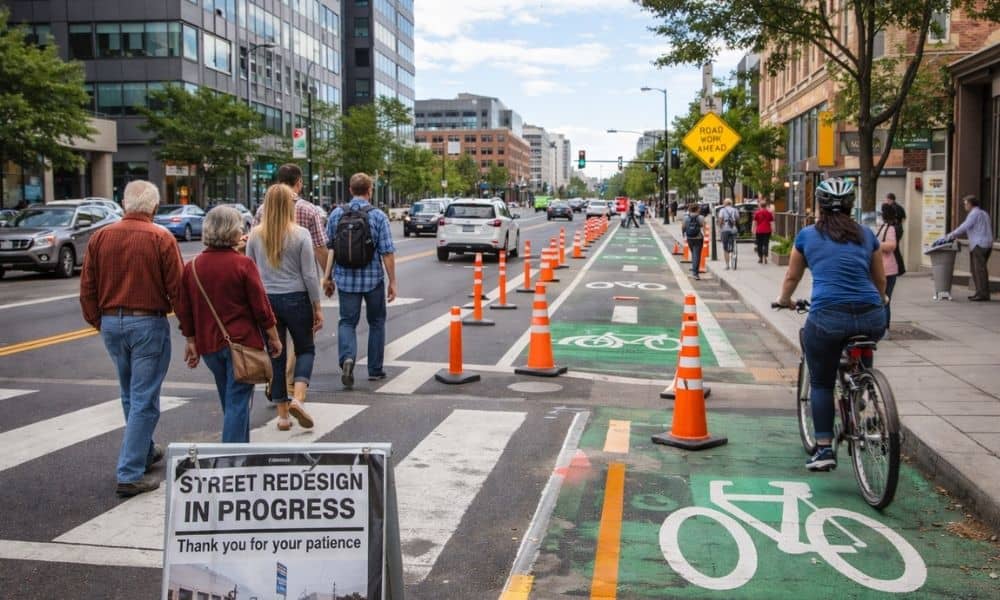
Transportation engineering once happened quietly. Engineers studied traffic. They reviewed safety data. They designed roads using clear numbers. After approval, most projects moved forward with little public attention.
That has changed. Today, transportation engineering happens in full view. Residents speak at meetings. Social media spreads concerns fast. City leaders respond quickly. Because of this, even strong transportation plans can face changes late in the process.
Denver shows how this happens. Recent street redesign debates show how public pushback can change plans. These plans may already meet technical rules. These situations show a new reality that clients need to understand.
Why Transportation Engineering Faces More Public Pushback
Several reasons explain this change.
First, people care about how streets affect daily life. Roads affect safety, noise, and parking. They also affect access to homes and businesses. When a project changes lanes or traffic flow, people notice right away.
Second, cities now focus more on safety. Transportation engineering often supports slower speeds. It also supports safer crossings and better bike access. These changes improve safety. Still, they can feel uncomfortable to drivers who prefer older road designs.
Third, trust has changed. Many residents question studies and traffic models. This can happen even when data supports the design. Because of this, transportation engineers now spend more time explaining decisions. They do more than submit reports.
As a result, public pushback has become more common. It has also become more influential.
Denver Shows How Data and Public Reaction Meet
In Denver, a major street redesign followed standard transportation engineering practices. Engineers reviewed crash history. They reviewed traffic counts and speed data. The plan focused on safety and long-term travel needs.
Once the public learned the details, concerns grew. Some residents feared more traffic delays. Others worried about losing parking. Some worried about slower emergency response times. Business owners raised concerns about access. These worries spread quickly and gained attention.
City leaders responded by asking for changes. In some cases, engineers revisited designs that already met technical goals. This did not mean the original plan failed. It showed how public reaction can reshape transportation engineering decisions.
For clients, this matters. Transportation engineering does not stop after approval.
Where Public Pushback Often Focuses
Public concerns often focus on a few design features.
Lane reductions cause worry. Even when traffic studies show little impact, people fear delays. They worry about backups. Drivers remember bad traffic more than smooth trips.
Traffic calming features bring mixed reactions. Some residents welcome safer speeds. Others see these features as obstacles. Some see them as enforcement tools.
Bike and pedestrian improvements can divide opinion. Supporters focus on safety and access. Critics worry about losing space for cars.
Access changes matter too. Driveway changes can cause concern. Turn limits and medians can also worry business owners and nearby residents.
Transportation engineering must balance all these concerns. This adds complexity to projects.
The Real Cost of Late Redesigns
Late transportation engineering changes often cost more than expected.
A small design change can require new traffic modeling. Signal timing may need review from several agencies. Drainage and grading may also need updates.
These changes affect schedules. Construction timelines shift. Permits take longer. Consultants revise drawings. Costs increase, even when changes seem small.
For developers and cities, this creates risk. Budgets stretch. Teams lose momentum. Frustration grows.
Transportation engineering works best when designs stay stable through approval.
Why Data Alone No Longer Wins Support
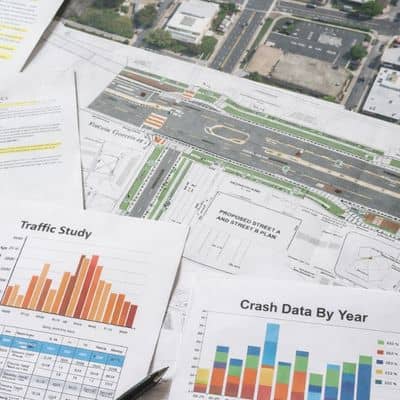
Transportation engineers rely on data for a reason. Data shows patterns people cannot see every day. Crash records and traffic counts help predict outcomes. Models support design decisions.
Public meetings work differently. People bring personal stories. One bad experience can outweigh years of data in their minds.
Charts and models can feel confusing. Without clear explanation, residents may feel ignored.
Because of this, transportation engineering now requires clear communication. Engineers must explain what works. They must explain why it works. They must explain how it affects daily routines.
Simple language helps build trust.
How Strong Transportation Engineering Plans for Pushback
Experienced teams plan for public reaction early.
They test several design options. They do not rely on just one solution. This makes later changes easier.
They coordinate early with planners. They also work with fire departments and transit agencies. This reduces surprises during review.
They avoid designs that barely meet standards. Flexible designs handle changes better.
Most importantly, they prepare explanations with calculations. Clear visuals help. Simple words help people understand the design.
Good transportation engineering balances data with communication.
What Clients Should Learn From These Redesigns
Developers and city leaders can learn important lessons.
First, transportation engineering should start early. Late involvement limits options. It also increases risk.
Second, approval does not always mean acceptance. Public response can still force changes.
Third, experience matters. Engineers who understand design and public processes reduce surprises.
Fourth, flexibility protects budgets. Designs with options adapt faster to feedback.
Transportation engineering today requires planning beyond numbers.
Transportation Engineering Is Now a Public Process
Transportation engineering no longer happens quietly. Engineers now help guide public conversations. These conversations focus on safety, access, and growth.
Public pushback will continue. This is likely as cities grow. It is also likely as priorities change.
Projects succeed when transportation engineering holds up under review. It must work well for engineers and make sense to the public. That balance defines modern transportation engineering.
For clients, understanding this reality leads to better planning. It leads to smoother approvals. It leads to stronger results.