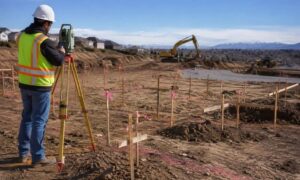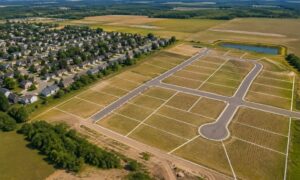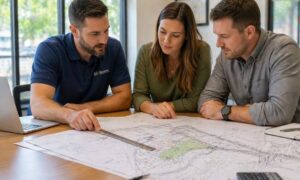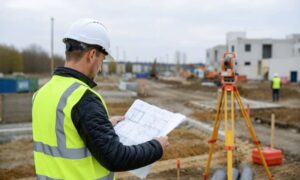
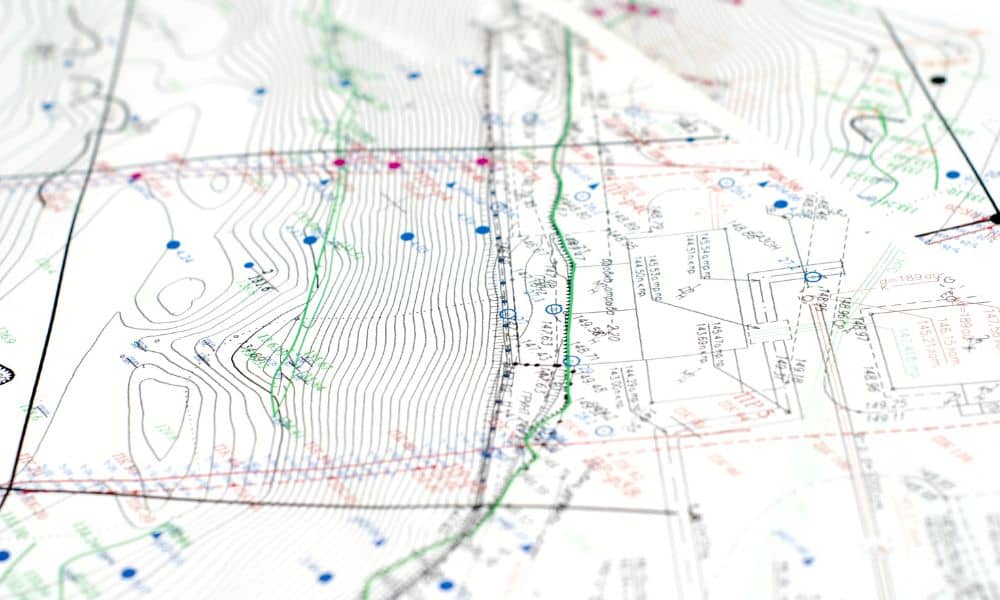
Denver is entering a major period of construction after voters approved a $1 billion bond for roads, drainage, sidewalks, and public buildings. With so much work happening, engineers need correct ground information before anything begins. That’s why a topo survey is the first step for almost every improvement the city has planned. Without clear details about slopes and elevations, crews cannot design safe or long-lasting upgrades.
This new bond will change many neighborhoods. Streets may be reshaped, sidewalks rebuilt, and drainage paths adjusted. A topo survey helps everyone understand the land before machines arrive. And because so many projects will start soon, this step matters more than ever.
The Bond Vote That Will Change Denver’s Landscape
The bond covers many improvements across Denver. These include road repairs, sidewalk updates, ADA improvements, drainage work, and upgrades to public buildings. Each project needs accurate ground data. Even a small mistake in slope can cause water to pool or sidewalks to fail.
Denver’s ground is not the same everywhere. Some areas are almost flat, while others slope sharply. This is why old maps cannot be used. Engineers need fresh topo surveys to avoid problems later. The topo survey gives them the most recent and correct information.
Why Public Projects Start With a Topo Survey
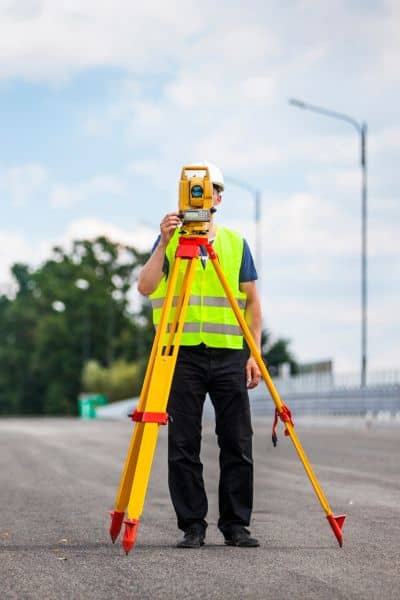
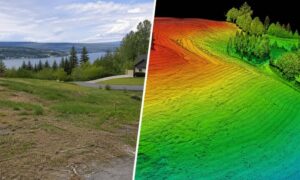
A topo survey shows where the ground is high, low, flat, or sloped. It also shows where water naturally flows. This information shapes the entire project.
Road reconstruction requires accurate slopes. If the ground is too flat or tilted the wrong way, water stays on the pavement. This can cause cracks, ice, and damage. A topo survey helps engineers design a road that drains well and stays strong.
Drainage upgrades depend on detailed topo data. Water follows gravity, so crews must know exactly where water collects and where it goes. The topo survey shows this clearly. With it, designers know where to place new inlets, channels, or pipes.
Sidewalk and ADA projects also rely on topo surveys. Sidewalks must follow slope rules so people with wheelchairs or strollers can use them safely. A topo survey helps planners understand how the sidewalk will connect to curbs, driveways, and yards.
Public building upgrades use this information too. When Denver updates community centers or fire stations, crews need to know how the land slopes around parking lots, ramps, and entrances. A topo survey helps them plan these areas correctly.
How These Upgrades Affect Homeowners
Public work often affects homes nearby. Many people do not realize how a change on their street can impact their property.
If the city raises or lowers a street, the connection to your driveway may change. In some cases, driveways need small grading work to match the new height. A topo survey can show what might be needed.
Sidewalk replacements sometimes shift the walkway slightly. This may affect landscaping or plans for future projects on your property. A topo survey gives you a clearer picture.
Drainage upgrades change how water moves across the street. A new curb or stormwater line can direct water differently. A topo survey helps you see if you need to adjust your property to protect it from runoff.
Utility relocations also create changes. If crews move water lines, gas lines, or cables, a topo survey helps you understand whether your building plans still work.
A Surge in Demand for Topo Surveys Is Coming
Because the bond includes so many improvements, Denver will see a high demand for topo surveys. As the city rolls out project after project, surveying companies will have most of their crews tied up on public work, especially during the first phases of construction. These jobs move quickly and come with firm deadlines, so surveyors often shift their schedules to match the city’s pace. When that happens, private projects usually have to wait a little longer than usual.
If you plan to build an addition, start a remodel, or take on any outdoor project, it helps to book your topo survey early. Waiting too long may slow down your timeline simply because so many teams will already be out in the field working on Denver’s new infrastructure upgrades.
How the Infrastructure Boom Will Affect Construction Timelines
The bond improvements may slow down nearby private construction. Road closures and lane shifts can make it harder for contractors to reach certain areas. Survey teams may have fewer open dates. Builders may need to adjust their plans.
A current topo survey gives your engineer or contractor the information they need to plan around these changes. It helps them understand your site even if city crews are working nearby. Planning ahead makes everything smoother.
Why Denver’s Investment Depends on Accurate Surveying
This bond aims to improve safety, reduce flooding, and create better public spaces. These changes are long-term. For them to work, designers need correct information about the land. A topo survey helps them create roads that drain correctly, sidewalks that are safe, and drainage systems that protect neighborhoods.
Good information leads to good design. A topo survey provides that information.
Final Thoughts
Denver’s $1B infrastructure push will bring major improvements to many parts of the city. Every project begins with a topo survey that shows the true shape of the land. With so many public jobs happening at once, survey demand will rise quickly.
If you’re planning a private project, now is the time to prepare. A topo survey helps you understand how city upgrades might affect your property. It also helps keep your own plans moving even during a busy time.
Denver is improving and growing. And every successful upgrade begins with a clear picture of the ground beneath it.