Denver is growing fast, and that means more cars on the streets. Multi-level parking garages are a smart way to fit more vehicles in a smaller space, but they’re more than just stacked concrete. They need careful planning to stay safe and last for years. That’s where urban engineering solutions make a real difference.
Urban engineering is all about making cities function better. It combines ideas from civil, structural, traffic, and soil engineering to create buildings and spaces that work for people. In parking garages, these solutions help ensure the structure is strong, easy to use, and safe for both drivers and pedestrians. For developers, good urban engineering doesn’t just prevent costly mistakes—it protects the public and keeps projects running smoothly.
Understanding Urban Engineering in Parking Structure Design
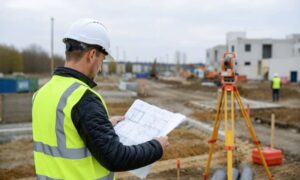
Urban engineering is all about solving real city challenges. When it comes to a parking garage, engineers look at more than just the building. They consider how cars will move, where people walk, and how weather could affect the structure. They also make sure the weight is carried safely through the columns and beams, often using surveying for safe foundation design to check that the ground beneath can handle it all.
Good urban engineers always plan ahead. They spot potential problems before construction even begins. By combining knowledge from civil, structural, traffic, and soil engineering, they help developers avoid costly mistakes and make sure the garage is safe and reliable for everyone who uses it.
The Risks of Ignoring Engineering Principles
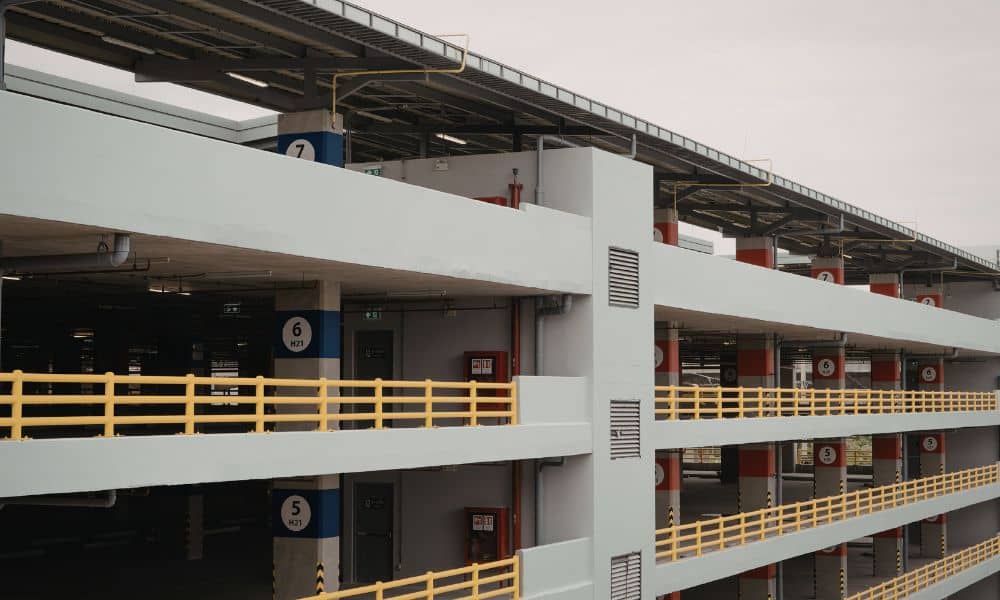
Multi-level garages are not like regular parking lots. Cars are stacked on top of each other, which creates extra risks. Heavy cars, snow, and ice add stress to the structure. If design or materials are wrong, cracks or failures can happen.
Traffic flow is also tricky. Ramps must be wide enough and easy to see. Otherwise, cars can get stuck or collide. Pedestrian safety is important too. Walkways must be separated from cars so people do not get hurt.
Denver weather makes this even more important. Freeze and thaw cycles can damage concrete, and snow adds weight. Urban engineering solves these problems with smart design and planning.
How Urban Engineering Keeps Parking Structures Safe

Urban engineers use many ways to make garages safer. First, they check the structure. Beams, columns, and supports are chosen to carry weight evenly. This keeps the building from weak spots that could fail.
Second, traffic flow is planned carefully. Engineers watch how cars enter, park, and leave. They design ramps so drivers can move safely. Walkways are set up so pedestrians do not get too close to moving vehicles.
Urban engineers also study the soil and foundation. The ground under a garage must be strong. Testing the soil helps engineers design foundations that will not sink or crack over time.
Weather is part of the plan too. Drainage systems remove water, and materials resist cracking from freezing and thawing. These choices help the garage last longer.
Modern tools help as well. Drones, sensors, and mapping technology let engineers check structures in real time. Small issues can be fixed before they grow into big problems.
Why Developers Should Invest in Urban Engineering Early
Using urban engineering from the start has many benefits. Developers save money by avoiding costly changes later. Projects run smoother because problems are solved before construction begins.
Urban engineers also help meet local building codes. Denver has strict rules, and engineers know how to follow them. This prevents delays or problems with permits and inspections.
Hiring urban engineers also builds confidence with investors, lenders, and tenants. When experts plan and check the design, everyone trusts the project more.
Making Multi-Level Parking Garages Safer and Smarter
Good urban engineering is not only about safety. It also makes garages easy to use and durable. Safe structures protect drivers, pedestrians, and property owners. They also save money on repairs and maintenance over time.
In Denver, smart engineering is more important than ever. Developers who work with urban engineers create garages that meet today’s needs and are ready for the future. Well-designed garages balance safety, usability, and long-term strength.
Conclusion
Urban engineering is key to building safe, strong, and smart multi-level parking structures. It combines structural design, traffic planning, soil study, and weather protection. This makes garages safe, long-lasting, and easy to use.
For developers, using urban engineering early saves money, avoids delays, and protects people. It also makes projects more successful. By thinking about cars, pedestrians, weather, and materials, urban engineers help developers create garages that work well today and in the future.