If you’re buying or developing property a due diligence survey should be more than just a map and a signature. It needs an emergency response plan built in. When a water-main bursts or a major utility line fails, your survey data may be the first line of defense — or the weak link that costs you time and money.
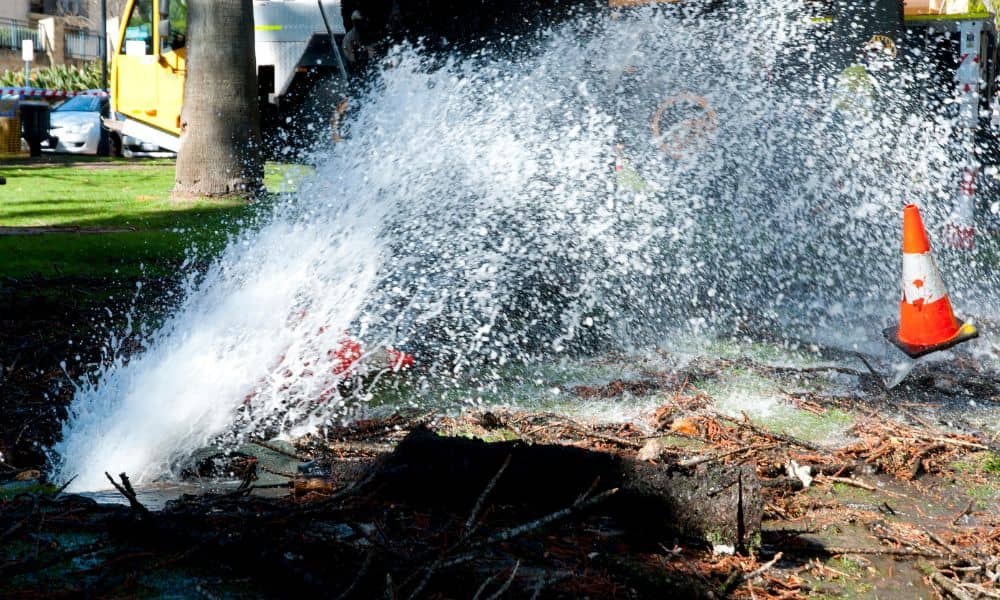
A recent water-main break in the metro area reminded everyone how fast the ground can change. Streets flooded, utilities shifted, and property owners were left scrambling. Events like that show why survey data can’t be treated as a one-time task. The land beneath our feet is dynamic, and your survey needs to be ready for surprises.
When the Unexpected Hits: Why Traditional Surveys Fall Short
Most people think a due diligence survey simply checks boundaries, easements, and legal access. That’s true, but it also assumes nothing underground will move or change. When a utility failure happens, those assumptions disappear.
Imagine completing your survey, everything looks clear, and then a nearby main ruptures. Flooding or soil movement can disturb control points and shift monuments. Suddenly, your data doesn’t match reality. That gap can cause construction delays, boundary confusion, or even insurance problems.
That’s why an updated and resilient approach matters. The best surveys are not just snapshots; they are risk-management tools that prepare you for what might happen next.
The First Few Hours After a Break
When an underground pipe fails, time is everything. Utility crews rush to isolate the leak and begin repairs. At the same time, surveyors often become the unsung heroes in the background.
They work fast to:
- Re-establish control points or benchmarks that may have been disturbed.
- Capture rapid as-built data of the damaged area.
- Mark temporary offsets and record any changes to the right-of-way or utilities.
- Deliver verified coordinates so construction and repair teams can rebuild safely.
If your due diligence survey doesn’t include a plan for this type of response, valuable hours can be lost waiting for updated measurements. Having a system already in place means less confusion and faster recovery.
Making Your Due Diligence Survey “Disaster-Ready”
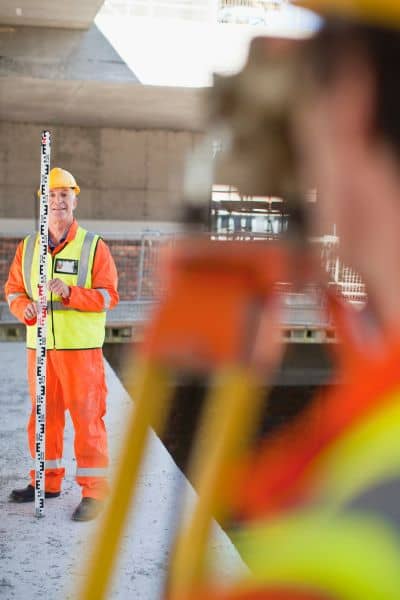
Here’s how to turn a standard survey into a practical emergency tool:
1. Add an Emergency Response Addendum. Include a clause in your agreement that allows your surveyor to mobilize quickly after any significant utility disturbance. Set clear expectations for how soon data will be captured and shared.
2. Keep Control and Utility Files Current. Store digital copies of your control points, utility drawings, and past survey results in a secure cloud folder. Label them by date and version so they can be retrieved instantly when needed.
3. Prepare for Rapid Field Deployment. Make sure your surveyor has a ready field kit — total station, GPS, LiDAR, or drone equipment — and knows who to contact for access or coordination.
4. Require Post-Incident Verification. Whenever construction or maintenance work disturbs the ground, schedule a quick verification survey. This keeps your records accurate and helps prevent disputes.
5. Follow Local Standards. In Denver, every city and county uses specific coordinate systems and monument references. Confirm that your survey follows those requirements so updates and as-builts fit seamlessly into future projects.
Why It Matters for Property Owners and Developers
For owners and builders, ignoring the emergency side of surveying can be costly.
- Financial risk: Redoing a survey or fixing errors after a shift can add thousands to your project budget.
- Legal exposure: If a monument or boundary moves and no one verifies it, you could face claims or construction disputes.
- Schedule delays: Waiting on new data means stalled crews and missed deadlines.
- Credibility: A proactive plan shows lenders, investors, and inspectors that you take risk management seriously.
Every developer knows that time equals money. A few hours of organized survey response can prevent weeks of rework.
The Denver Reality: Old Infrastructure Meets Rapid Growth
Denver’s infrastructure is aging, and development is happening fast. Roads, water lines, and utility corridors overlap with old control monuments that weren’t designed for today’s growth. That mix creates the perfect storm for emergency repairs and unexpected ground movement.
In this environment, the typical due diligence survey has to evolve. It’s not just about checking what’s there today but about being ready when something shifts tomorrow. Whether you’re planning a new subdivision, an infill project, or a commercial renovation, treating your survey as a living document keeps your investment protected.
How to Bring It Up With Your Team
If you’re working with a project manager, lender, or contractor, start the conversation early. Ask practical questions:
- “If a major utility line fails near our site, how fast can we get new survey data?”
- “Do we have updated control files stored somewhere safe?”
- “Can our surveyor provide emergency mobilization rates and timelines?”
- “After a disturbance, who verifies that our boundary and utility data still match reality?”
Talking through these questions before an incident means you’ll know exactly what to do when one happens.
The Bigger Picture: From Survey to Strategy
Think of your due diligence survey as part of your overall property strategy. It isn’t just a pre-purchase requirement; it’s your foundation for long-term safety and accuracy. When the next big infrastructure issue strikes — whether it’s a burst main, a flood, or nearby excavation — you’ll already have the plan, the data, and the right professionals on call.
A small adjustment to your survey process today can save thousands in rework tomorrow. It can also keep your team safe, your permits valid, and your projects on schedule.
Final Thoughts
Due diligence surveys give you insight into your property. But emergency-ready due diligence surveys give you resilience. They combine preparation, quick response, and solid documentation — the three things every developer, builder, and property owner needs in a fast-changing city.
If you’re planning to buy or develop property, ask your surveyor one simple question: “What’s our plan if the utilities fail?”
If there’s no answer yet, now’s the time to build one. Because when the ground moves, the survey that’s ready to respond is the one that protects your investment.