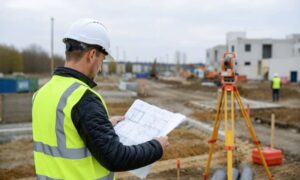
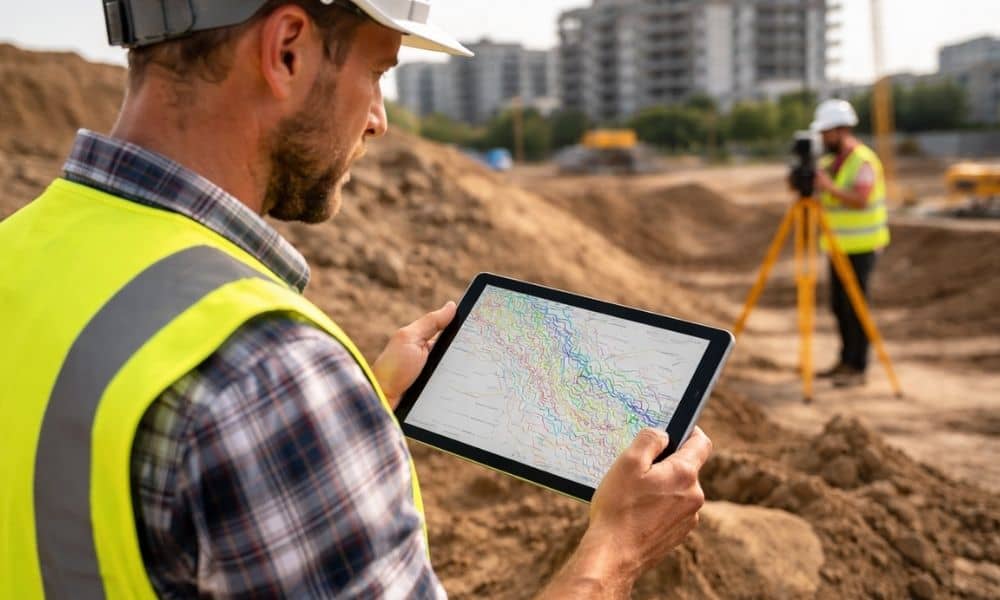
Denver keeps growing. New homes replace old lots. Stores and offices rise where empty land once sat. Roads widen. Utilities get upgraded. At the same time, new tools now track small land changes with better accuracy than ever before. Because of this, many builders and engineers now ask an important question: How long does a topographic survey stay accurate in a city that keeps changing?
For years, many property owners believed that once they had a survey, they could use it for years without worry. However, land does not stay the same. Small shifts happen all the time. Over time, those small shifts can turn into big problems.
A Topographic Survey Captures One Moment in Time
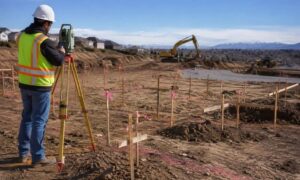
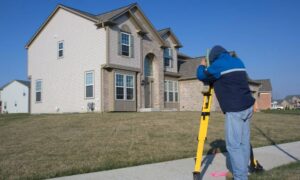
A topographic survey records the shape of the land. It shows elevations, slopes, and surface features. Designers and builders use this data to plan foundations, grading, and drainage.
However, the ground keeps moving after the survey ends.
Soil settles. Fill dirt compresses. Heavy machines pack the ground down. Nearby construction changes how water flows. Even Denver’s freeze-thaw cycles cause soil to expand and shrink.
Each change may seem small. Still, after a few years, those small changes can affect how accurate the old survey remains. Therefore, while a topographic survey gives clear information, it does not last forever.
Denver’s Growth Makes Land Change Faster
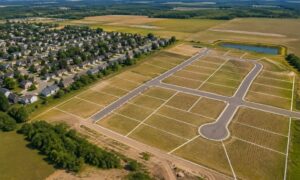
Denver grows every year. New projects pop up across many neighborhoods. When builders regrade nearby land, they often change water flow. When roads rise, finished ground levels shift. When crews dig for utilities, they disturb the soil around them.
Because of this, even if you never change your own property, the land around you may still affect it.
In addition, Denver’s weather plays a role. In winter, water in the soil freezes and expands. In spring, it melts and shrinks. This cycle repeats every year. Over time, the surface may shift slightly.
As a result, elevation data can become outdated sooner than many people think.
Small Elevation Changes Can Cause Big Problems
You might think a few inches do not matter. However, construction depends on accuracy.
Foundations must sit at the right height. Slopes must guide water away from buildings. Retaining walls must match the true difference in elevation. If the land no longer matches the old survey, crews find out during construction.
When that happens, changes follow. Teams adjust grading. They modify plans. They order more materials. As a result, projects slow down and costs rise.
Outdated elevation data also creates risk. Investors and lenders expect accurate site details. If real conditions differ from the plan, trust drops and delays increase.
Nearby Construction Can Affect Your Property
Many people believe that if they leave their lot untouched, nothing changes. However, land does not work that way.
A large project next door can change drainage paths. A new parking lot can redirect stormwater. A raised road can shift runoff patterns. Utility work can disturb soil beneath the surface.
Since Denver continues to develop, these changes happen often.
Therefore, using a five-year-old topographic survey in a busy area may create uncertainty. Even small shifts can affect your design.
How Long Does a Topographic Survey Stay Reliable?
There is no exact rule. Still, many professionals review elevation data after three to five years, especially in fast-growing areas.
You should consider updating your topographic survey if nearby construction occurred, if roads changed, or if you plan a more detailed project. Projects that require tight grading control need the most accurate data.
In short, the more precise your design must be, the more current your survey should remain.
New Technology Raises Expectations
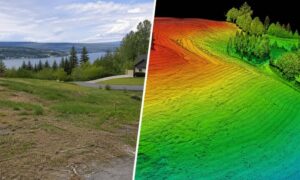
Today, advanced tools can detect small land movement across large areas. Because these tools exist, builders and engineers now expect better accuracy.
Many developers now update their topographic survey before starting major work. They understand that land shifts over time. Updating the survey helps reduce risk before construction begins.
Instead of seeing it as an extra cost, they see it as protection.
The Better Question to Ask
In a growing city like Denver, land rarely stays exactly the same. Development changes neighborhoods. Infrastructure improves. Weather affects soil.
So instead of asking, “Do I have a topographic survey?” ask, “Does my topographic survey match today’s land conditions?”
If you feel unsure, updating the survey may help you avoid delays and extra costs later.
Land changes quietly. However, those quiet changes can impact your project in a big way. Staying ahead of those shifts helps you plan with confidence — instead of fixing problems after construction starts.