Denver keeps growing. New homes, stores, and buildings appear across the city every year. However, many projects face a hidden problem under the ground—expansive soil. Much of the Denver area has clay soil that expands when it gets wet and shrinks when it dries. Because of this, the ground moves more than most people expect. Over time, that movement can affect foundations, sidewalks, driveways, and buildings. This is where engineering design becomes very important. When engineers understand how soil behaves, they can design buildings that handle these conditions safely. That process usually begins with a soil evaluation for construction sites, which helps engineers see how the ground may expand or shift over time. Instead of fixing soil problems after construction, good engineering design helps stop them before building starts.
Why Expansive Soil Is a Big Issue in Denver
Expansive soil contains clay that reacts strongly to water. When water enters the soil, the clay swells and pushes upward. Later, when the soil dries, it shrinks and pulls away from structures. Because of this cycle, the ground keeps moving.
In Denver, several things make this problem worse. Snow melts in the spring and adds water to the soil. During the summer, irrigation systems keep lawns and gardens wet. Heavy rain can also soak the ground quickly.
Because of these changes, the soil may expand and shrink many times each year.
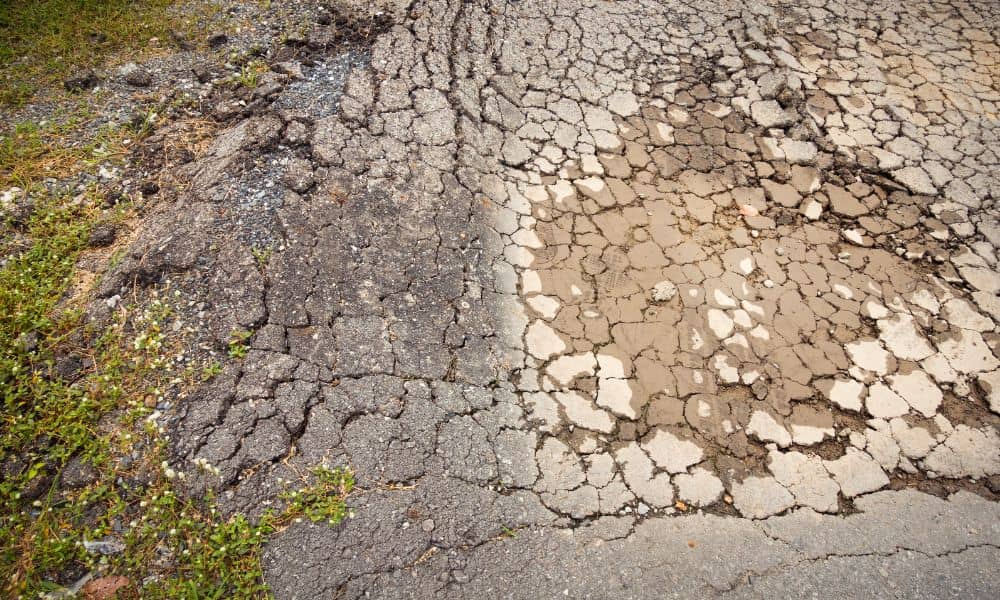
Many property owners slowly notice the results. Small cracks may appear in walls or ceilings. Doors and windows may not close well. Floors may feel uneven.
At first, these problems seem like small issues. However, the real cause usually starts below the surface. That is why engineering design matters before construction begins.
How Engineering Design Starts With Studying the Soil

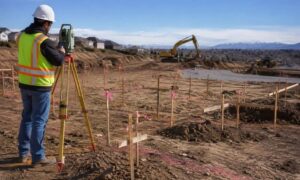
Before building begins, engineers study the soil on the property. This step helps them learn how the ground will behave over time, and it often happens alongside a land survey before construction, so the team understands the site boundaries, slopes, and layout from the start.
Engineers collect soil samples from different parts of the site. They also drill test holes to see the soil layers under the surface. Next, labs test these samples to measure moisture, clay content, and how much the soil may expand.
After that, engineers prepare a geotechnical report. This report explains how the soil behaves and what risks may exist on the site. It also gives guidance for builders.
Because of this part of engineering design, builders understand what they are working with before construction begins.
As a result, developers can plan the foundation, drainage, and site preparation more carefully.
How Engineering Design Helps Choose the Right Foundation
After engineers understand the soil, they design a foundation that works well with the ground.
In Denver, many homes use post-tensioned slab foundations. These slabs contain steel cables inside the concrete. Workers tighten the cables after the concrete hardens. This process makes the slab stronger and helps it resist soil movement.
Sometimes engineers recommend deeper foundation systems. Piers or caissons extend deeper into the ground until they reach stronger soil layers. These supports help carry the weight of the building on more stable ground.
Engineers may also design reinforced beams within the foundation. These beams spread the building’s weight across the structure.
Each choice comes from careful engineering design. The goal stays simple: keep the building stable even when the soil moves.
Why Water Control Is Part of Engineering Design
Most expansive soil problems start with water. When the soil becomes too wet or too dry, it moves more.
Because of this, engineers focus on water control during the engineering design process.
First, engineers design the land so water flows away from the building. This process is called grading. Proper grading keeps water from collecting near the foundation.
Engineers may also design drainage paths that guide water safely across the property. In some cases, underground drains help remove extra moisture from the soil.
Even roof downspouts matter. Engineers make sure rainwater from the roof flows away from the building instead of soaking the soil nearby.
With these steps, engineering design helps control the moisture that causes soil expansion.
What Happens When Soil Problems Are Ignored
Sometimes construction projects move forward without careful soil planning. When that happens, problems may appear later.
Expansive soil can push against the foundation and lift parts of the slab. Cracks may form in floors or walls. Doors may stop closing properly. Floors may become uneven.
These problems can become expensive. Fixing foundations, correcting drainage, and repairing structures may cost much more than proper planning.
That is why engineering design helps protect the project. Engineers find soil problems early and help builders solve them before construction begins.
Why Engineering Design Helps Denver Projects Succeed
Denver continues to grow as more people move to the region. New homes, offices, and neighborhoods appear every year.
However, the success of any project depends on the ground below it.
Developers, builders, and property owners all benefit from strong engineering design. Soil testing helps engineers understand the site before construction begins. Then engineers design foundations and drainage systems that protect the building.
Because of this planning, projects move forward with fewer surprises.
Even though expansive soil remains common in Denver, careful engineering design allows builders to create safe and stable structures.
With the right planning, buildings can stand strong for many years—no matter how the soil beneath them changes.