Ever had a friendly chat with a neighbor turn awkward over a fence or a few feet of driveway? You’re not alone—boundary disputes are surprisingly common in fast-growing cities like Denver, Colorado. The good news? A boundary survey can clear things up before things get ugly—or expensive.
Here’s how it works, why it matters in Denver, and when you should seriously consider getting one.
What Is a Boundary Survey, Anyway?
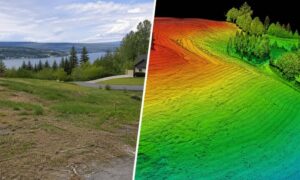
Think of a boundary survey as a blueprint that shows you exactly what land is yours—and what isn’t. It’s done by a licensed land surveyor who uses fancy tools (yes, lasers and GPS!) and old records to map out your property lines.
This isn’t just for lawyers or real estate moguls. If you own property or plan to buy, sell, build, or fence—this is your line of defense.
Why Boundary Disputes Happen All the Time in Denver
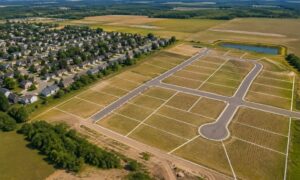
Denver is booming. New developments, older homes being flipped, and quirky lot lines in neighborhoods like Baker, Five Points, and Congress Park are a perfect storm for confusion.
Maybe your home was built before zoning laws were strict. Maybe the last fence went up based on a guess. Or maybe the property description on your deed is just… wrong.
👀 Real-Life Denver Situations Where This Happens:
- Your new fence cuts a few inches into your neighbor’s yard. (Oops.)
- A shed you didn’t build shows up partly on your side.
- You buy a home and later discover the garage crosses a boundary line.
These aren’t hypotheticals—they’re real disputes landowners in Denver face regularly.
How a Boundary Survey Can Save You Thousands
When it comes to resolving or avoiding property disputes, boundary surveys are your best friend. Here’s why:
✅ Legal Proof in Your Corner
If things head to court (and they often do), you need more than a deed—you need a professional boundary survey. It holds up legally and often settles disputes before they even escalate.
✅ Clarity = Confidence
No more guessing. A proper survey shows you, your neighbors, and the city exactly where everything stands.
What to Expect: The Survey Process in Denver
Wondering what actually happens when you hire a surveyor? Here’s a peek at the process:
- They dig into your deed and local records
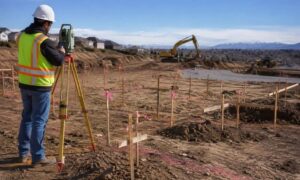
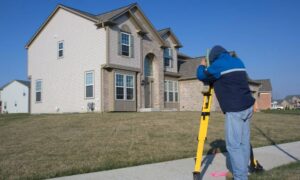
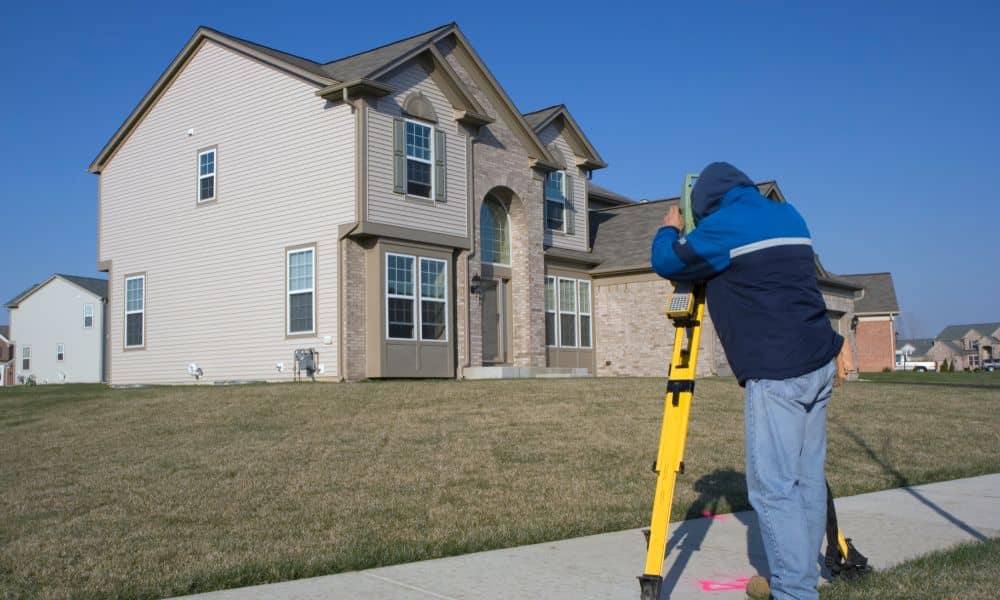
- They come out to your property with equipment (tripods, GPS units, and sometimes even drones!)
- They mark the boundaries physically with stakes or pins
- You get a detailed map/report that’s legally accurate
From start to finish, expect the process to take 1 to 2 weeks.
How Much Does a Boundary Survey Cost in Denver?
Let’s talk money. The cost can vary, but here’s a ballpark based on recent 2025 averages:
| Type of Property | Estimated Cost |
| Typical Residential Lot | $600 – $1,200 |
| Larger or Irregular Property | $1,500 – $2,000+ |
| Rush Jobs or Complex Cases | $2,500 and up |
Factors like lot size, terrain, missing records, or multiple structures can bump the price. But compared to the cost of legal fees or rebuilding a fence? It’s a smart investment.
When Should You Get a Boundary Survey?
🏡 Before building anything new
A new fence, garage, patio, or even a retaining wall should all be planned with your actual boundaries in mind. A property line survey ensures you’re building exactly where you’re allowed—and nowhere else.
📝 When buying or selling a home
Boundary surveys catch problems before they derail a sale. They can also protect buyers from future surprises.
🚫 If there’s a neighbor disagreement
Avoid (or end) tension with clear documentation of where the property lines really are.
No Survey = Big Risk
Here’s what can go wrong when you skip a boundary survey:
- A fence encroachment could lead to a court case
- You might be forced to remove or move a structure
- You could lose part of your property rights unknowingly
- Delays in city permits due to unclear lot dimensions
Don’t let that happen. It’s always better to get clarity upfront than deal with surprises later.
How to Find a Great Land Surveyor in Denver
Not all surveyors are created equal. Here’s what to ask when hiring:
- Are you licensed in Colorado?
- Have you done residential surveys in Denver neighborhoods?
- Will you physically mark the boundaries?
- How detailed is the final report?
Look for professionals who know Denver zoning laws and have experience with urban and historic lots.
Deed vs. Survey: What Actually Defines Your Land?
Deeds are helpful, but often outdated or too vague. A survey puts legal precision on paper and on your property. In court, the survey wins every time.
Protecting Your Property = Peace of Mind
Whether you’re an investor, a new homeowner in Wash Park, or someone planning to build a backyard studio in Sloan’s Lake, knowing your boundary lines is one of the smartest moves you can make.
It’s not just about land—it’s about avoiding stress, legal bills, and lost time.
FAQs
1. How long does a boundary survey take in Denver?
Usually 1 to 2 weeks, depending on property complexity.
2. Do I need one before selling my house?
It’s not mandatory, but it’s a smart move to avoid hiccups in closing.
3. What if my neighbor already has a survey?
It doesn’t apply to your lot unless updated and shared by both parties.
4. What happens if a structure is over the line?
It could be subject to removal or require a legal agreement.
5. Can a surveyor help with permit applications?
Yes! Survey reports often support zoning, building, and fence permits.
6. Is a boundary survey the same as an ALTA survey?
Nope. ALTA surveys are more detailed and usually used in commercial real estate.