Have you ever noticed a small crack on your wall and thought nothing of it? Maybe a door started sticking, or the floor didn’t feel as level as before. At first, these seem like normal issues. However, in Denver, they often point to something happening below your home. The ground here is not as stable as many people think. In fact, the soil can move a lot depending on moisture. Because of that, foundation engineering becomes very important. And when little signs like these start to show up, it’s worth taking a closer look and learning more about foundation issues, since what’s happening underneath your home is often the real cause of the damage you see inside.
Why the Soil in Denver Moves More Than You Expect
Denver has a high amount of clay in its soil. This type of soil reacts strongly to water. When it gets wet, it expands. Then, when it dries, it shrinks.
This cycle does not happen once. Instead, it repeats again and again through the seasons. As a result, the ground under your home keeps shifting. Over time, that movement puts stress on your foundation.
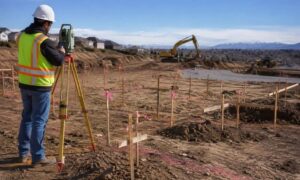
Because of this, homes in Denver face a higher risk of foundation problems compared to other areas. That’s exactly why foundation engineering is not optional here. It’s a key part of building and maintaining a stable home, and it really comes down to understanding things like site conditions before building, since what’s happening below the surface plays a big role in how your home holds up over time.
What Expansive Clay Soils Actually Do to a Home
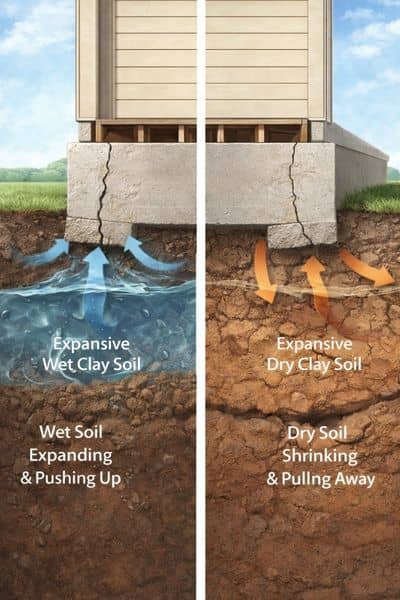
It helps to picture clay soil like a sponge. When it absorbs water, it swells. On the other hand, when it dries, it tightens and pulls away.
Now imagine that happening under your house.
As the soil expands, it can push parts of your foundation upward. Then, when it shrinks, it leaves gaps that cause sections of your home to drop. Because these changes don’t happen evenly, the structure above begins to shift.
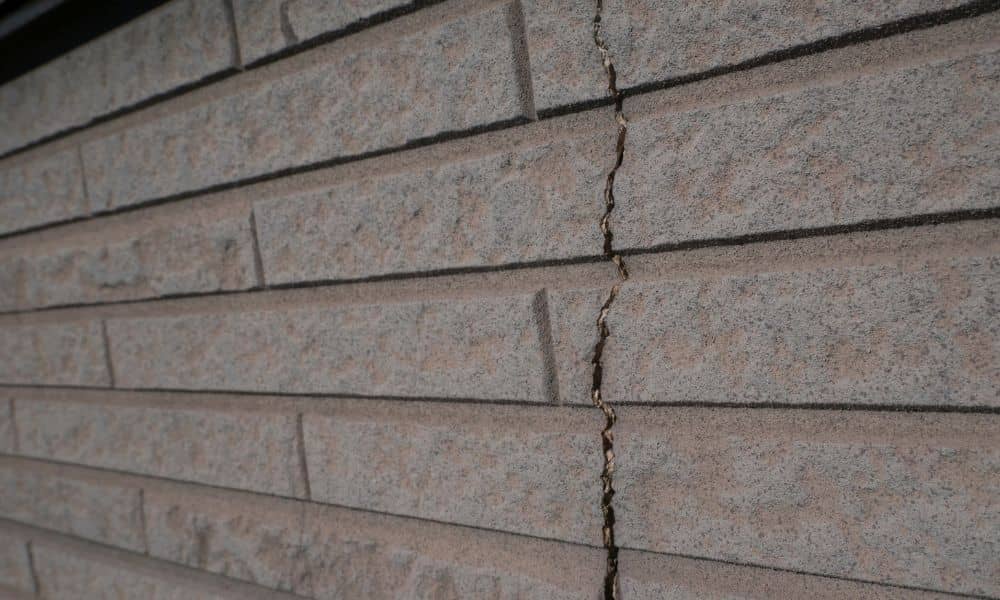
That’s when problems start to show. Walls may crack, doors may stop closing properly, and floors may feel uneven. Although these signs appear inside the home, the real issue begins in the soil.
This is where foundation engineering makes a difference. It allows engineers to design foundations that can handle this constant movement instead of fighting against it.
The Subtle Signs That Often Get Ignored
Most homeowners don’t notice foundation issues right away. In fact, the early signs are easy to overlook.
A thin crack in drywall may not seem serious. A window that sticks might feel like a minor annoyance. However, these small issues can point to larger movement below the surface.
Over time, these signs can grow worse. Cracks become wider, gaps start to appear, and parts of the home shift more noticeably. Because of that, waiting too long can lead to expensive repairs.
That’s why it’s important to take these changes seriously. A proper foundation engineering evaluation can help you understand whether the issue is cosmetic or structural.
How Foundation Engineering Protects Your Home
So, how do engineers deal with this kind of soil?
First, they study the ground before building. This step helps them understand how much the soil will move. Then, they design a foundation that can handle that movement.
For example, some foundations use special slabs that resist cracking. Others rely on deeper supports that reach more stable layers of soil. In addition, drainage plays a major role in keeping the ground stable.
Instead of reacting to problems later, foundation engineering focuses on preventing them from happening in the first place. That approach saves both time and money in the long run.
Why Water Control Plays a Bigger Role Than You Think
Water is one of the biggest reasons soil moves in Denver. When too much water collects near your home, the soil expands. On the other hand, dry conditions cause it to shrink.
Because of that, keeping moisture levels balanced is very important.
Simple things like proper drainage, working gutters, and controlled watering can make a big difference. When water flows away from your home, the soil stays more stable.
Even small changes in moisture can affect your foundation. That’s why foundation engineering often includes drainage planning as part of the overall design.
What Homeowners and Buyers Should Pay Attention To
If you are buying or building a home, it’s important to understand what lies beneath the surface.
Many properties come with a soil report. This report explains the type of soil, how it behaves, and what kind of foundation works best. However, not everyone takes the time to review it carefully.
That can lead to problems later.
By understanding the soil conditions early, you can make better decisions about your property. A foundation engineering expert can help explain what the report means and what steps you should take.
Why This Matters More in Denver Than Other Cities
Every location has its own challenges, but Denver stands out because of its soil and climate.
The mix of clay-heavy soil and changing weather creates constant movement underground. Wet periods followed by dry spells make the soil expand and shrink over and over again.
Because of this, homes in Denver face ongoing pressure from below. Without proper planning, that pressure can lead to long-term damage.
That’s why foundation engineering is so important in this area. It ensures that homes are built to handle these local conditions instead of being damaged by them.
Final Thoughts
Foundation problems don’t start where you can see them. Instead, they begin beneath your home, often without warning.
In Denver, expansive clay soils make this issue more common. The ground shifts, and your home responds to that movement.
The good news is that these problems can be managed. With the right approach to foundation engineering, you can protect your home and avoid costly repairs.
So, if you’ve noticed changes in your home or plan to build, take the time to understand your soil. What’s happening below the surface matters more than you think.