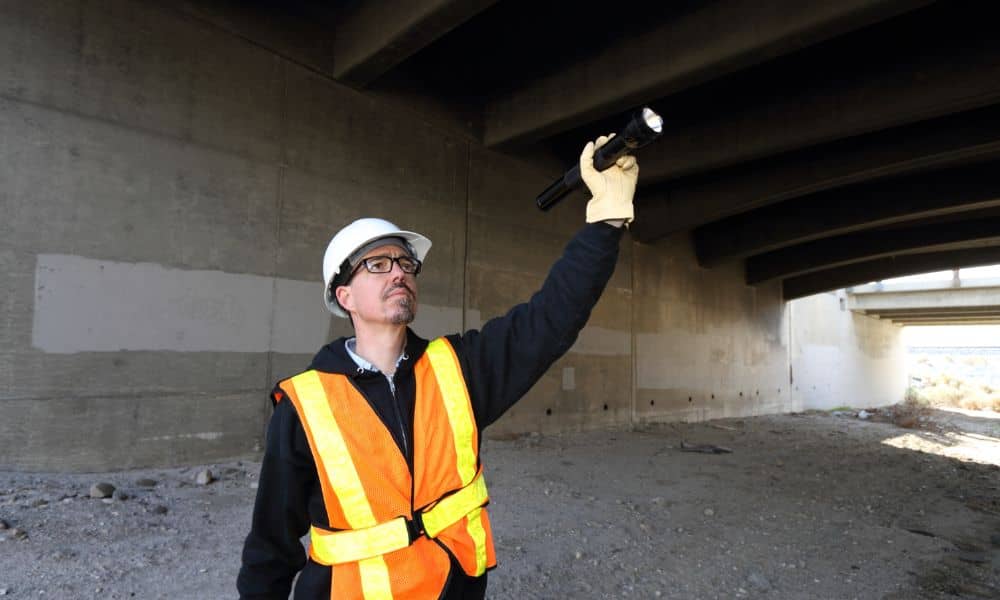
Over the past few days, news about bridge safety has spread fast. Officials limited heavy trucks after inspectors found serious structural problems. As a result, traffic changed right away. Businesses had to adjust. City leaders faced public pressure. At first, this may seem like a problem far away. However, this story sends a strong message to every structural engineer in 2026. It also warns property owners, developers, and city leaders across the United States — including here in Colorado.
When officials ban trucks from a bridge, they send a clear signal. Structural safety now gets close attention.
Bridge Restrictions Are Not Just News
Bridges do not close without reason. Engineers find cracks, rust, settling, or fatigue in key parts of the structure. Once those signs appear, load limits can change quickly.
Today, cities act faster than before. They cannot risk collapse. They cannot risk lawsuits. Most of all, they cannot risk their lives.
Because of this, the recent crackdown shows a bigger trend. Cities no longer wait for something to fail. Instead, they step in early. That change affects how every structural engineer does their job.
Why This Matters in 2026
Infrastructure across the world continues to age. Many bridges, parking garages, and buildings were designed decades ago. Meanwhile, traffic has increased. Vehicles weigh more. The weather has become more extreme. Freeze-thaw cycles in places like Denver put stress on concrete and steel year after year.
At the same time, the public pays closer attention. Social media spreads photos of cracks or damage within minutes. News outlets share updates quickly. Because of this pressure, cities now require stricter inspections.
So what does this mean? It means structural safety requires action before problems grow.
The Expanding Role of the Structural Engineer
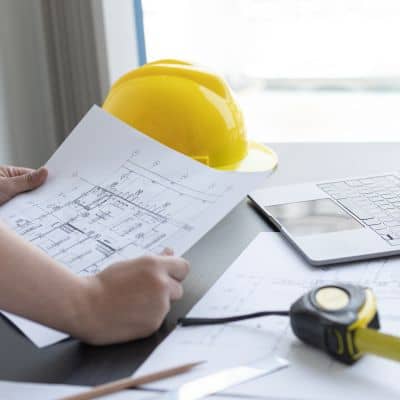
In the past, a structural engineer often stepped in after someone noticed damage. Today, clients expect prevention, not repair.
For example, developers want load checks before tenants move in. Warehouse owners need floor reviews before adding heavy storage racks. Cities require approval before reopening bridges.
As a result, structural engineering now focuses on early review, careful analysis, and risk control.
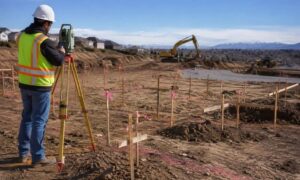
Engineers study how loads move through a structure. They check connections and foundations. They look at long-term wear on materials. They follow updated building codes. They use better software tools.
Because stopping a problem early costs less than fixing a failure.
What This Means for Property Owners and Developers
If a bridge can face sudden truck bans, smaller structures can face sudden limits too.
Think about common situations.
Parking garages face salt and moisture. Over time, steel reinforcement can weaken. If inspectors find serious damage, they may reduce allowed loads right away. That means lost income.
Warehouses often change how they use space. If someone adds heavy racks without review, the floor may not handle the new weight. A structural engineer can confirm safe load limits before problems happen.
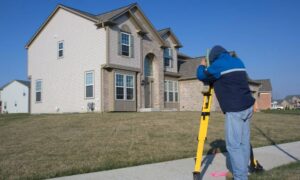
Residential areas include small bridges, retaining walls, and decks. Small cracks can grow if no one checks them.
Public projects also rely on regular inspection. When cities delay reviews, repair costs often rise later.
Therefore, early structural review protects safety and money.
The Cost of Waiting
Waiting may seem cheaper at first. However, structural damage does not improve on its own.
Cracks can spread. Rust can grow. Repair costs can double or triple. In addition, emergency closures upset the public. Lawsuits can follow if someone gets hurt.
On the other hand, early review gives owners more control. Engineers can suggest strengthening, load changes, or planned repairs. That approach reduces downtime and protects reputation.
For this reason, 2026 favors action instead of delay.
Higher Expectations for Structural Engineers
Because of recent safety crackdowns, expectations have grown.
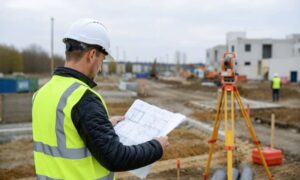
Clients now look for a licensed structural engineer who reviews plans before construction, checks load limits for changes, performs routine inspections, provides stamped reports, and explains risks clearly.
Clear records also matter more than ever. Good documentation protects both the client and the engineer if legal issues arise.
Today, the structural engineer serves not only as a designer but also as a safety advisor.
How This Affects Projects in Denver
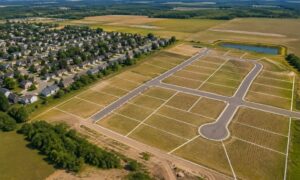
Denver brings its own challenges. Snow loads, freeze-thaw cycles, and soil movement all affect structures. At the same time, the city continues to grow. New subdivisions and commercial projects increase demand on infrastructure.
As development expands, structural needs increase. Bridges and buildings must handle more weight. Older structures compete for inspection time.
Because of this growth, developers and property managers should treat structural review as part of normal planning.
Before adding rooftop equipment, talk to a structural engineer. Before changing warehouse use, check floor capacity. Before buying an older building, request inspection.
These steps prevent costly surprises later.
Technology Is Changing the Field
Although safety rules are stricter, new tools help engineers do better work.
Modern structural engineering uses improved modeling software, 3D analysis tools, better material testing, and non-destructive inspection methods.
Some engineers even study vibration data to find hidden problems in bridges. These tools help detect damage earlier.
As a result, structural engineers who use updated methods offer stronger value to clients.
What 2026 May Bring
In the near future, inspections will likely increase. Reporting rules may tighten. Insurance companies may require more structural review.
At the same time, the public will continue to expect safety and openness.
Because of this, every structural engineer must focus on risk checks, clear communication, updated code knowledge, and regular inspection plans.
Clients who work with engineers early will adjust more easily to these changes.
The Bigger Lesson
The recent bridge safety crackdown shows a larger shift. Structural safety now receives serious attention.
Failures no longer stay quiet. They make headlines. Therefore, cities and property owners must stay ahead of risk.
Do not wait for damage to become obvious. Do not assume older designs meet today’s demands. Do not delay inspection.
Instead, work with a qualified structural engineer to review, confirm, and protect your investment.
In 2026, structural safety is not optional. It is expected.