A project in Denver often starts the same way. The drawings look solid. The layout makes sense. The Site Development Plan gets submitted. Then things slow down. Comments come back. Revisions begin. Timelines shift. What felt close suddenly feels far again. This is where many projects get stuck. It’s easy to think the Site Development Plan is the finish line. It feels like the green light. But it’s not. Once you have a land development engineer on your project, you start to see what really happens after the plan goes in. That’s when the coordination picks up and the real work begins.
The Plan Feels Done, but the Work Isn’t
Most owners look at a Site Development Plan and see progress. They see building placement, parking, and access. It looks complete.
So the assumption is simple. Once the plan is approved, construction can move forward.
That assumption causes problems.
Approval of the plan does not mean every part of the project is cleared. It only means one piece of the process is in place. Several other steps still need to line up before anything moves on site.
That gap between “approved” and “ready” is where delays show up.
What Happens After the Plan Gets Submitted
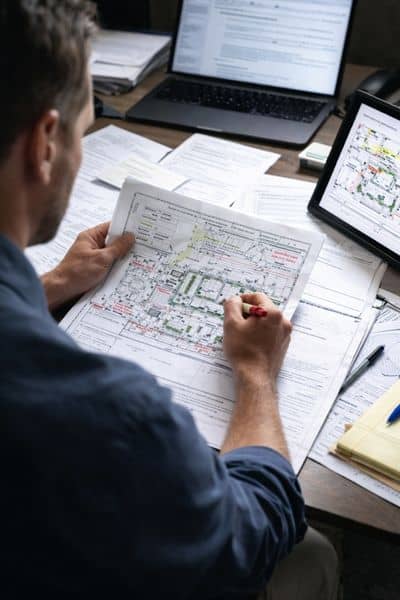
After the Site Development Plan is in, the project enters a different phase. It becomes less about drawings and more about coordination.
Different reviews move at the same time. Each one looks at a different part of the project. They don’t always move at the same speed, and they don’t always agree.
That’s when things start to stack up.
One review might ask for a change. Another review might depend on that same area staying the same. Now the team has to adjust both sides and resubmit.
It doesn’t look like a big issue at first. Then it turns into multiple rounds of updates.
This is where projects lose time without anyone noticing right away.
Why Projects Start Slipping Without Warning
Delays rarely come from one big mistake. They come from small gaps that build up.
A layout might work on paper, but something nearby needs to shift. A change in one part of the plan can affect another part that already passed review.
That creates a loop. Adjust, resubmit, wait, repeat.
At this stage, the project still looks close to approval. In reality, it keeps moving sideways.
This is frustrating for owners because nothing seems wrong. The plan exists. The work looks done.
But the coordination isn’t finished yet.
What a Land Development Engineer Actually Does at This Stage
This is where a land development engineer becomes critical.
The role is not just about creating a plan. It’s about keeping the project moving after the plan is in place.
First, they track all ongoing reviews. They know which comments matter most and which ones can affect other parts of the project.
Then, they adjust the plan in a way that keeps everything aligned. A change in one area should not break another area that already works.
They also respond quickly. Waiting too long between revisions slows everything down. Quick, accurate updates keep the process moving forward.
Most of all, they see the full picture. Not just the drawing on the page, but how each piece connects to approvals, timelines, and construction.
Where Projects Break Down Without That Support
Projects tend to run into trouble when coordination starts too late.
An owner may submit a plan thinking it’s ready, but some issues only show up after a closer look. A lot of the time, it comes down to details that weren’t fully checked at the start, like having a proper land survey early on.
A contractor might catch a conflict right before construction, which leads to redesign work. A review might ask for changes that affect other approvals, and now everything has to be adjusted again.
None of this is unusual. It happens on many projects.
The difference comes down to timing. When someone is managing these moving parts early, the fixes stay small. When they’re not, those same issues turn into delays.
Why Timing Changes Everything
When a land development engineer is involved early, the project moves with fewer interruptions.
They look ahead. They catch conflicts before they turn into revisions. They align parts of the plan before they go through review.
That saves time later.
When they come in late, the situation changes. The plan is already submitted. Reviews have started. Changes become harder to make without affecting other areas.
Now the team has to fix problems while the clock is running.
That is when costs rise and schedules stretch.
How This Affects Your Project
Every delay has a cost.
Time lost in review means longer holding periods. More revisions mean more design work. Waiting on approvals creates uncertainty.
It also affects planning. Contractors can’t move forward without clear direction. Schedules shift, and coordination becomes harder.
Most of this can be avoided with early oversight.
Not perfect plans. Just better coordination from the start.
What to Look for in a Land Development Engineer
Not every project needs the same level of support. But certain skills make a big difference.
You want someone who understands how local approvals move. They should know how reviews connect and where delays often happen.
They should also communicate clearly. You need to know what’s happening, what’s changing, and why.
Most importantly, they should focus on preventing problems. Fixing issues late always costs more than catching them early.
The Work That Happens Beyond the Plan
The Site Development Plan is only one part of the process. It sets the direction, but it doesn’t carry the project all the way through.
What happens after submission matters just as much.
A land development engineer keeps everything aligned once the plan is in motion. They manage changes, handle reviews, and keep the project moving forward.
That is why some projects move smoothly while others stall.
It’s not just about having a plan.
It’s about what happens after.