A lot of projects in Denver start the same way. Plans look good. The lot seems simple. There’s even an Improvement Location Certificate, or ILC, on hand. Then things slow down. The city asks for more detail. A contractor hesitates. Someone points out that the document on file may not be enough. This is where a local surveyor in Denver becomes part of the project, not just a formality.
What an ILC Actually Does
An ILC gives a quick picture of a property. It shows buildings, fences, and other visible features in relation to lot lines. It works well during real estate deals and gives a general sense of how everything sits on the lot.
That’s helpful early on. But as the project moves forward, the limits start to show.
An ILC is not meant for precise building work. It does not confirm every detail with full accuracy. It’s more of a snapshot than a full check. After a while, most people realize they need more than that and end up looking into local survey services so they can move ahead without second guessing anything.
That difference matters once real work begins.
When Plans Turn Into Real Work
At first, everything feels simple. You look at drawings and think the layout will fit just fine.
Then the project gets closer to construction.
Now spacing matters. Placement matters. Every foot counts.
This is the point where an ILC often falls short. It cannot support the level of accuracy needed for building.
So the project pauses. People ask for better data. Time starts to slip.
Where Problems Usually Show Up
This happens more often than people expect.
One common case starts during permit review. Plans go in, and the city wants clearer proof of where structures will sit.
Another case shows up during design. The layout looks fine on paper, but the real site has slight shifts that were not clear before.
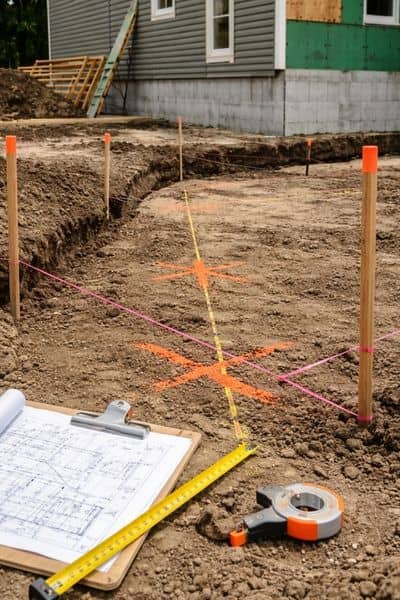
Contractors run into this too. They need exact points to follow, not estimates. If they rely on loose data, mistakes can happen fast.
Changes during the project can also trigger issues. A small adjustment may seem minor, but it can require verified measurements to move forward.
At each step, the same question comes up. Is the information on hand strong enough to build from?
Why This Happens So Often in Denver Colorado
Denver has a mix of older lots and new development. Some areas were built long ago, while others are changing fast.
That mix creates small gaps between records and what is actually on the ground.
At the same time, many projects now push space limits. Homes sit closer together. Additions and new units must fit tight layouts.
Because of that, small errors become big problems.
A few inches off can affect approval, placement, and even the final build.
That’s why many projects end up needing more than an ILC.
What a Local Surveyor Does Differently
A local surveyor does more than review what is visible.
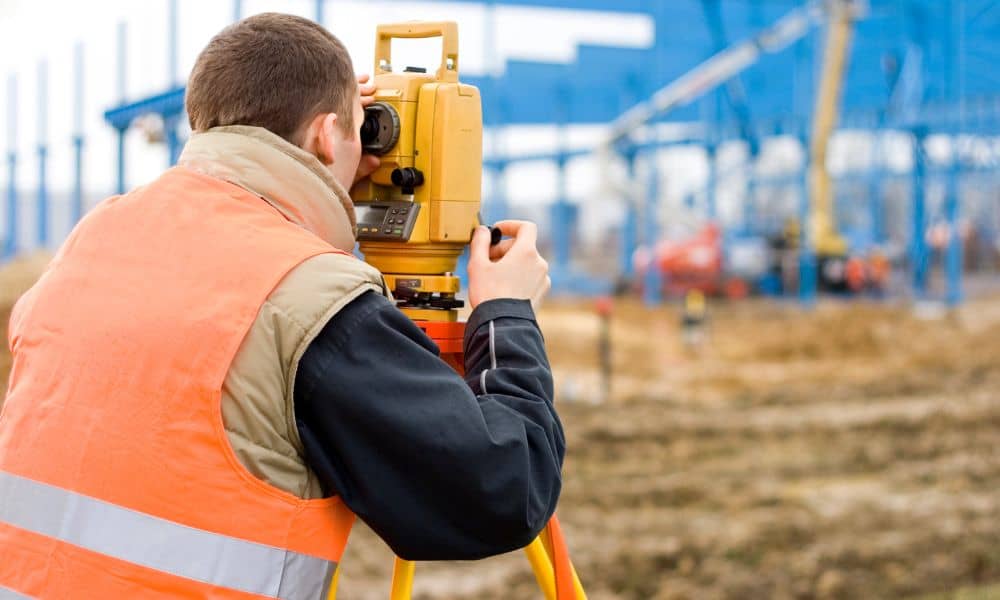
They verify boundaries using records, measurements, and field work. They confirm what is accurate, not just what appears to be correct.
They also match real conditions with the plans. If something does not line up, they catch it early.
That helps everyone involved. Designers can adjust before it costs money. Contractors can build with confidence. Owners avoid last-minute surprises.
It also keeps the project moving.
Instead of stopping to fix problems later, the work starts with clear and reliable data.
What Happens If You Skip This Step
Some projects move forward with only an ILC. It seems faster at first.
Then delays show up.
Plans may need revisions. Work may pause while new measurements are taken. Teams have to adjust after work has already started.
That leads to extra cost and stress.
Schedules shift. Crews wait. Decisions that should have been simple become harder.
All of that comes from starting with information that was not meant for construction.
How to Know When to Call a Local Surveyor
You don’t need to guess.
If your project is moving past early planning, it’s time to think about better data.
If you need clear placement for structures, you need more than a basic certificate.
If your plans are under review, stronger verification will help.
If you want to avoid delays, bringing in a local surveyor in Denver Colorado early makes a big difference.
The goal is simple. Get it right before work begins.
Why Early Action Saves Time
Waiting often feels easier. Many people assume they can deal with issues later.
That rarely works.
Fixing problems after work starts takes more time and money than preventing them in the first place.
Early input from a local surveyor keeps things steady. It helps the project stay on track from start to finish.
That is what most people want.
Not extra steps. Not more paperwork.
Just a smooth build without surprises.