You open a letter from your lender, and your monthly payment just went up. The reason is flood insurance. At first, it feels confusing. Your home has never flooded, and you don’t live next to a river. So why are you paying for it? This situation happens more often than people think, especially in Denver. Many homeowners get flagged based on where their home sits on a map, not how high the home actually is. Because of that, some people end up paying for coverage they may not truly need. This is where an elevation certificate becomes important. Instead of relying on general maps, it looks at your home’s actual height compared to nearby flood levels.
Why Flood Insurance Gets Added Even When It Feels Wrong
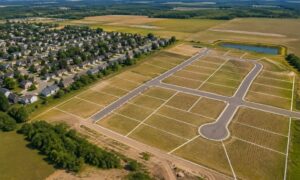
Lenders follow flood maps when they decide if insurance is required. These maps show areas that may have flood risk. So, if your property falls inside or even close to one of those zones, the lender may add flood insurance.
However, these maps do not look at your actual house. Instead, they group large areas together. As a result, your home may get treated the same as another property nearby, even if your structure sits higher. Because of that, some homeowners find out they need an elevation certificate when flood insurance is required, even though their home may not actually be at risk.
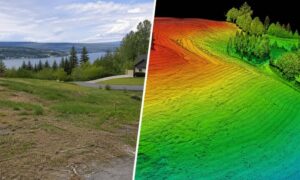
In Denver, this happens quite often. The land changes from one block to another. Some homes sit on slightly higher ground, while others sit lower. Also, snowmelt and heavy rain can affect how areas get labeled over time. Because of this, the map may not reflect your true situation.\
The Gap Between Flood Maps and Your Actual Home
Most homeowners trust flood maps without question. That makes sense, since lenders and insurance companies rely on them. Still, there is a gap that many people don’t realize.
Flood maps show location. They do not show the exact elevation of your home.
That means two homes on the same street can have very different risks. One home may sit safely above the expected flood level, while another may sit right at it. Yet both can fall under the same zone on paper.
Because of this gap, some homeowners end up paying for flood insurance based on assumptions, not facts.
How an Elevation Certificate Helps You Take Control
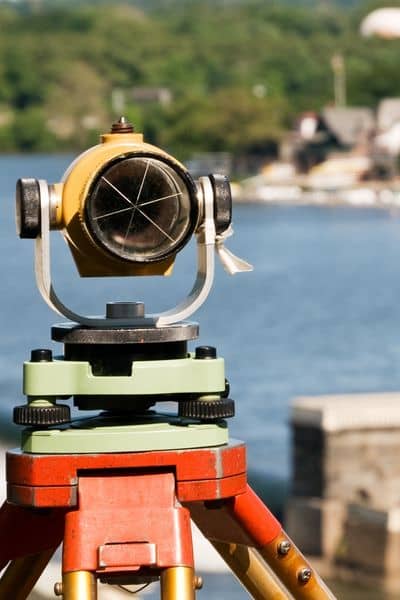
An elevation certificate changes the conversation. Instead of relying on general maps, it shows precise measurements of your home.
It looks at how high your structure sits compared to the expected flood level. In simple terms, it answers whether your home is actually at risk.
This matters because lenders and insurance companies can use this data to review your situation. So, if your home sits higher than expected, you now have proof to support that claim.
With that proof, you are no longer relying on assumptions. You are working with real numbers.
When an Elevation Certificate Can Help You Save Money
There are certain moments when this document becomes especially useful. For example, during a refinance, lenders often review flood zones again. At that point, they may add insurance even if you never had it before.
If that happens, an elevation certificate can help show your true elevation. In some cases, this can lead to a change in the requirement or a lower cost.
The same applies when your insurance premium feels too high. Without accurate data, insurance providers may base your rate on general risk levels. However, when you provide actual elevation details, they can adjust the pricing more fairly.
This also matters if your home sits near a flood zone but not truly inside it. Many homeowners in Denver fall into this situation. An elevation certificate can help clarify where your home really stands, which can make a big difference in cost.
Why Timing Matters More Than Most People Think
Acting at the right time can make a big impact. For instance, if you wait until after closing, you may already be locked into higher costs. On the other hand, if you check your elevation early, you have more room to adjust.
This becomes important during refinancing, buying, or even when your monthly payment suddenly increases. In each case, you are making a financial decision. So, having clear information before you commit can help you avoid long-term expenses.
Because of this, many homeowners choose to verify their elevation as soon as flood insurance comes into the conversation.
What Happens If You Don’t Verify Your Elevation
It may feel easier to accept the insurance and move on. However, that choice can cost more over time.
You could end up paying higher premiums every year. You might also face delays if questions come up during a sale or refinance. In some cases, buyers may hesitate if flood concerns are not clearly addressed.
Most importantly, you lose the chance to check if the cost is even correct. Without real data, you are left relying on broad estimates.
Is an Elevation Certificate Worth It?
Many homeowners wonder if the cost is worth it. The answer often comes down to long-term savings.
An elevation certificate is a one-time expense. Flood insurance, however, continues year after year. So, even a small reduction in your premium can add up over time.
Because of this, the value becomes clear. Instead of paying based on assumptions, you pay based on actual risk.
What to Expect When You Request an Elevation Certificate
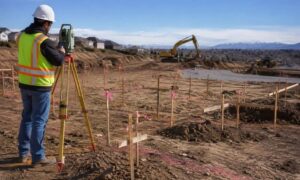
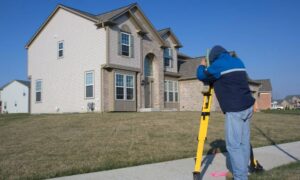
The process is simpler than most people expect. You contact a licensed land surveyor, and they handle the measurements for you. After that, they prepare the elevation certificate using accurate field data.
In most cases, the process moves quickly. You don’t need to deal with complicated steps, and you don’t have to figure out the technical details on your own.
This makes it an easy step to take, especially when compared to the long-term cost of unnecessary insurance.
From Assumption to Proof
At the end of the day, you don’t have to accept flood insurance without question. While maps provide a starting point, they don’t always tell the full story.
An elevation certificate gives you something stronger. It gives you proof.
So, if your costs don’t match your expectations, it may be time to take a closer look. By working with a licensed land surveyor, you can verify your home’s true elevation and make a more informed decision.
In the end, it’s not just about saving money. It’s about knowing where you stand and having the confidence to act on it.