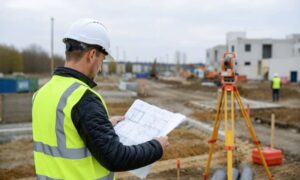
Surveying plays a big role in how cities grow. Before any building, road, or large project starts, teams must study the land. They need clear and reliable site data. Without it, engineers cannot design safely. In recent years, lidar mapping has become an important tool for surveyors. It helps teams collect land data faster than before. It also gives planners a clearer picture of the ground.
Across the country, surveyors now use modern tools to collect site data. This shift was a big topic at Geo Week in Denver. At that event, experts talked about how new mapping tools are changing project planning.
Because of this, more developers and engineers now request lidar mapping for new projects.
For a fast-growing city like Denver, this change matters.
Why Lidar Mapping Is Getting Attention
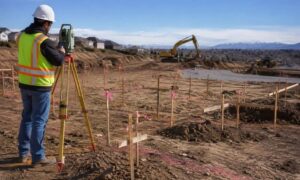
The surveying industry continues to change. In the past, most survey data came from ground work. Surveyors walked across the land and recorded points.
This method still works well today. It remains a trusted part of surveying.
However, many projects now move faster than before.
Because of this, project teams want site data sooner. They also want more detail about the land.
This is where lidar mapping helps.
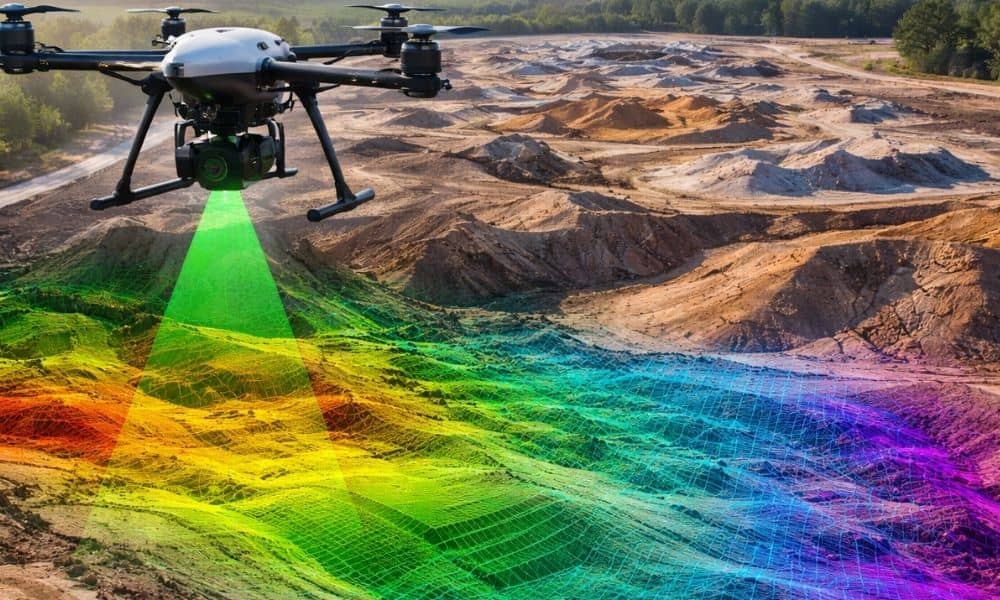
Surveyors can map large areas of land quickly. Instead of measuring only selected points, lidar mapping collects data across the whole site.
Because of this, project teams can see the full shape of the land.
They can review this information before construction begins.
Why Developers and Engineers Request Lidar Mapping
Developers want projects to run smoothly. Engineers also want clear site information early. Early data helps teams plan better. Because of this, many projects now use lidar mapping during early planning.
First, surveyors can now rely on advanced lidar mapping solutions to collect data across large sites. Large properties can take a long time to measure using only ground methods. With lidar mapping, teams can gather detailed site data much faster.
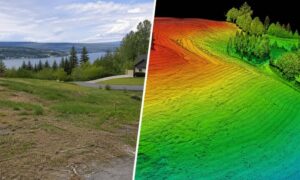
Next, the collected data helps engineers understand the terrain. Instead of looking at scattered points on a map, they can review a digital model of the site.
This model shows slopes and land shapes across the property. Because of this, engineers can make better design choices. They can adjust plans before construction begins. This often prevents problems later.
This often prevents problems later.
Why This Matters in Denver
Denver continues to grow each year. New housing areas appear across the region. Transportation projects also expand across the city.
Because of this growth, project teams must review land conditions quickly.
At the same time, they must keep accuracy high.
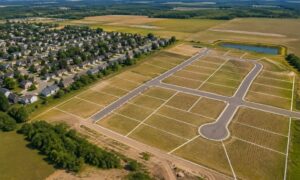
Many development sites in the Denver area cover large parcels of land. Some sites sit in older redevelopment zones. Others appear in expanding suburbs.
Before design begins, engineers must understand the land.
They need data about slopes and surface conditions.
Lidar mapping helps survey teams gather this information.
Instead of studying only small parts of a site, surveyors can review the full surface.
This helps planners understand the whole property.
Because of this, teams can make better planning decisions.
How Surveying Work Is Changing
Surveying work is changing as new tools appear.
In the past, surveyors mostly delivered drawings and coordinate lists. Engineers then used those drawings for design.
Today, many projects use digital site models.
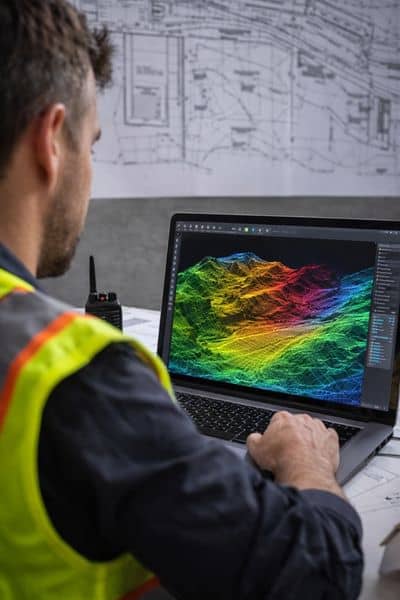
Because surveyors now use lidar mapping technology for land surveys, they can collect detailed surface data and turn it into terrain models of a site.
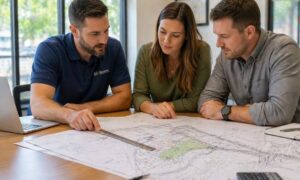
Engineers can study these models on a computer. Architects and planners can also review the same data.
This helps project teams work together.
For example, engineers can review terrain data while planning drainage. At the same time, planners can study where roads or buildings may go.
Because of this, everyone works from the same information.
This reduces confusion during planning.
Lidar Mapping for Large Projects
Many projects benefit from lidar mapping.
However, it is most useful on large sites.
Large construction projects need careful planning. Engineers must understand how roads and utilities will fit across the land.
They also need to study drainage and grading.
If survey data lacks detail, problems can appear later.
Because of this, lidar mapping often helps during early planning.
Surveyors can provide detailed surface data for the entire site.
Projects that often use lidar mapping include:
- large commercial developments
- mixed-use construction projects
- transportation corridors
- redevelopment sites
- infrastructure upgrades
These projects require clear site data across wide areas.
Lidar mapping helps deliver that information.
Why Early Site Data Helps
Timing matters during project planning.
When engineers understand the land early, they can design better.
For example, they may change grading plans. They may also adjust drainage routes.
Sometimes they may move building locations.
These decisions help reduce problems later.
Without early site data, teams may need to change designs during construction.
Design changes can cost time and money.
Because of this, many project teams want detailed land data early.
Lidar mapping helps provide that information.
Lidar Mapping and City Planning
Cities across the country now invest in geospatial data.
Denver is one example.
City planners must understand land conditions before planning new development.
They must also study infrastructure routes and transportation corridors.
Because lidar mapping creates detailed terrain data, planners can study the land more clearly.
This helps guide future development plans.
For example, planners may review terrain when studying new infrastructure.
Engineers may also study the land before planning transportation routes.
Because of this, lidar mapping supports better planning decisions.
The Future of Surveying Technology
Surveying continues to evolve as technology improves.
Lidar mapping is one of the biggest changes in modern surveying.
Surveyors now combine professional skills with modern mapping tools.
This helps them deliver better site data.
As cities grow, accurate land data becomes more important.
Denver will likely see more use of advanced mapping tools.
Developers and engineers will continue searching for better ways to study project sites.
Because of this, lidar mapping will remain an important part of surveying.
Final Thoughts
Accurate site information is the foundation of safe construction.
Before any project begins, teams must understand the land.
Today, lidar mapping helps surveyors gather that information faster.
It also helps project teams study the land in more detail.
As Denver continues to grow, reliable land data becomes even more important.
Surveyors who use modern tools can help projects begin with accurate information.
This helps support safe development across the city.