It usually starts with something simple. You plan to replace your driveway. Or maybe you want to build a fence. Then your neighbor walks over and says, “Are you sure that’s your property line?” Suddenly, what felt like a small project turns into panic. This exact situation keeps showing up in online forums and homeowner threads. People share stories about fences built in the wrong place. Driveways crossing property lines. Garages sitting inches over the boundary. Most of them say the same thing: “I wish I had ordered a lot survey sooner.”
In Denver, this happens more often than you think.
Why This Happens So Often in Denver
Denver has a mix of older neighborhoods and new infill construction. That combination creates confusion.
First, many homes in central Denver sit on lots platted decades ago. Builders installed fences based on what “looked right,” not on precise measurements. Over time, new owners replaced those fences in the same spot. However, nobody checked the actual boundary.
As a result, mistakes carried forward for years.
Second, Denver’s infill boom makes things tighter. Builders tear down small homes and replace them with larger houses. These new builds push closer to property lines. Therefore, even a few inches matter.
In addition, many homeowners rely on online parcel maps. While those maps look official, they only provide rough estimates. They do not show legal boundary lines. Only a licensed land surveyor can do that.
That’s where a lot survey comes in.
“But the Fence Has Always Been There…”
One of the most common online complaints goes like this:
“The fence has been there for 20 years. How can it be wrong?”
The truth surprises many homeowners. A fence does not define a property line. It only marks where someone placed it. Over time, neighbors assume that a fence equals ownership.
However, when someone finally orders a lot survey, the results can shock both sides.
Sometimes the fence sits two feet over the line. Other times, a driveway crosses into the neighbor’s lot. In tighter neighborhoods like Wash Park, Sloan’s Lake, or Highlands, that small difference can cost thousands to fix.
Therefore, waiting only increases the risk.
The Driveway Problem No One Sees Coming
Driveways create bigger problems than fences.
Concrete feels permanent. It costs money. So people assume it must sit in the right place. Yet many driveways follow the original fence line. If that fence went in wrong decades ago, the driveway likely followed it.
Now imagine this situation:
You plan to sell your home. The buyer orders a lot survey. The survey shows your driveway crosses the boundary by 18 inches.
Suddenly, the buyer hesitates. The lender raises questions. The neighbor demands correction. And you face removal costs before closing.
This scenario appears again and again in homeowner discussions. People feel blindsided. However, a lot survey could have revealed the issue early.
What a Lot Survey Actually Shows
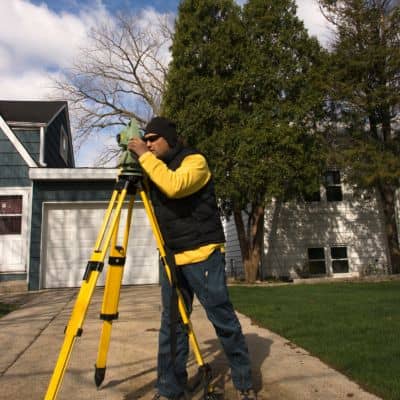
Many homeowners think a lot survey simply measure square footage. In reality, it does much more.
A professional lot survey shows:
- Exact boundary lines
- Encroachments like fences, sheds, decks, or driveways
- Easements for utilities or drainage
- Setback lines required by zoning
- Improvements placed near the edges of the lot
In other words, it reveals what truly belongs to you.
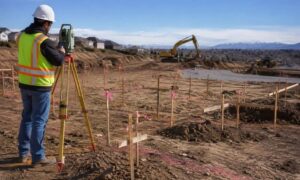
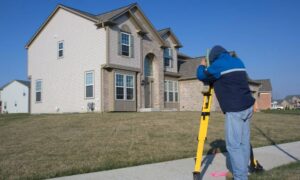
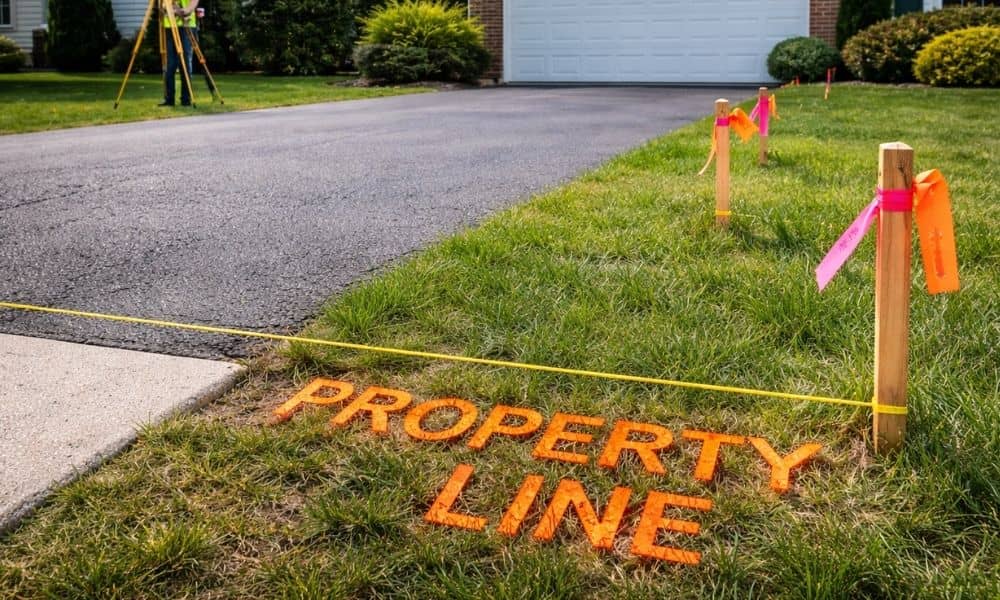
A licensed land surveyor uses precise equipment to measure corners and verify legal descriptions. The final drawing becomes a legal document. That document protects you during disputes, construction, or property sales.
“The Previous Owner Built It That Way”
Another common frustration sounds like this:
“I bought the house like this. Why is it my problem?”
Unfortunately, ownership transfers responsibility. If a structure crosses the property line, the current owner must deal with it.
Buyers often assume title insurance covers everything. However, title insurance protects against ownership claims, not physical boundary placement. Therefore, without a lot survey during purchase, buyers may never see hidden encroachments.
In Denver’s competitive market, many buyers waive extra inspections to move quickly. While that strategy wins offers, it sometimes creates long-term headaches.
A lot survey during closing may feel optional. Yet it often prevents major financial stress later.
GIS Maps and Why They Mislead Homeowners
Denver County offers online parcel maps. They look official. They show boundaries. So homeowners trust them.
However, those maps rely on approximate data layers. They help with planning. They do not define legal property lines.
Think of them like a sketch, not a blueprint.
If you build a fence based only on GIS data, you gamble. The difference might measure only inches. Yet inches can spark disputes.
A lot survey remove that uncertainty. It provides physical measurements taken on-site. It marks corners. It creates clarity.
When Homeowners Should Order a Lot Survey
Not every situation requires one immediately. However, certain moments demand it.
You should consider a lot survey:
- Before installing a fence
- Before widening or replacing a driveway
- Before building a garage or ADU
- Before major landscaping near property lines
- Before subdividing a lot
- Before listing your home for sale
- When a neighbor questions a boundary
In Denver’s narrow urban lots, space stays tight. Therefore, small measurement errors matter more.
The Cost of Waiting
Many homeowners delay because they want to save money.
However, consider the alternative.
Removing concrete costs thousands. Hiring attorneys costs more. Delayed closings cost even more. Meanwhile, tension with neighbors adds stress.
Compared to those risks, a lot survey often cost far less.
More importantly, it gives peace of mind.
What Homeowners Are Learning
Across online forums, the pattern repeats.
Someone discovers a boundary issue. They feel shocked. They wish they had checked sooner.
Then others reply with advice: “Get a survey.”
Denver continues to grow. Infill projects increase. Property values rise. With higher value comes higher stakes.
So if you feel unsure about where your property truly begins or ends, do not rely on assumptions. Do not rely on fences. And definitely do not rely on online maps.
Instead, talk to a licensed land surveyor and request a lot survey.
Because the worst time to learn your driveway isn’t on your property comes right before you pour new concrete — or right before you close on a sale.
And by then, the fix rarely comes cheap.