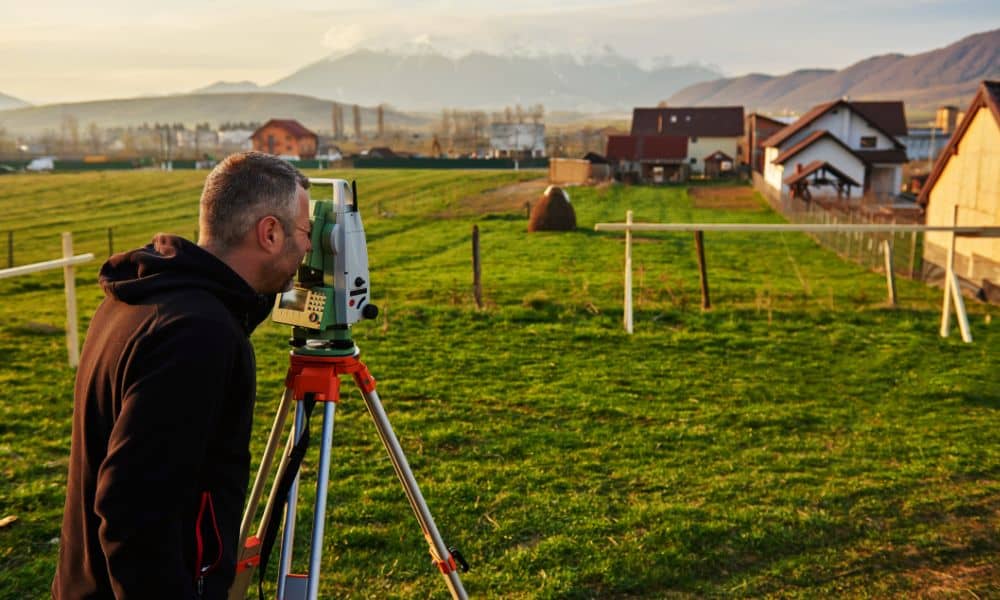
A fence seems simple. You pick a line, set posts, and close the gap. However, across the country, fence projects keep turning into viral disputes, lawsuits, and neighborhood wars. In several recent stories, owners built fences with confidence — then discovered they blocked access, crossed boundaries, or sat on land they did not own. As a result, small projects turned into big public fights. So what went wrong? In most of these cases, nobody ordered a property line survey before construction started.
Why Fence Disputes Spread So Fast Online
Fence conflicts go viral for one reason: people relate to them. Almost every homeowner understands boundaries, privacy, and ownership. When someone builds a fence in the wrong place, emotions rise quickly.
For example, many disputes start when an owner replaces an “old existing fence.” They assume the old line was correct. However, older fences often sit inside or outside the true boundary. Over time, memory replaces measurement.
Meanwhile, neighbors rely on different assumptions. One person checks a map website. Another trusts a contractor’s tape measure. Someone else points to a tree line. Unfortunately, none of those prove the legal boundary.
Therefore, when a disagreement appears, both sides feel certain — and both sides feel wronged.
The Big Mistake: Confusing Visible Lines With Legal Lines
Many people believe visible features define ownership. That sounds logical, but it causes most boundary problems.
Here’s where confusion happens:
Old fence lines shift over time Hedges and tree rows grow in the wrong place Driveways drift during repairs Walls get rebuilt slightly off line Contractors eyeball distances
However, none of those create a legal boundary.
Only a property line survey establishes the true line using records, measurements, and field evidence. In other words, it replaces guessing with proof.
Why Online Maps Create False Confidence
Today, owners check parcel maps online and feel reassured. The lines look clean and exact. Unfortunately, those maps show approximate boundaries, not legal ones.
In fact, many county GIS maps include disclaimers that warn users not to rely on them for construction. Still, people zoom in, drop a pin, and build anyway.
Later, when a licensed surveyor measures the site, the line lands three feet away — sometimes more.
At that point, the fence already stands. Removal costs money. Tension rises. Deals fall apart.
How a Property Line Survey Stops the Problem Early
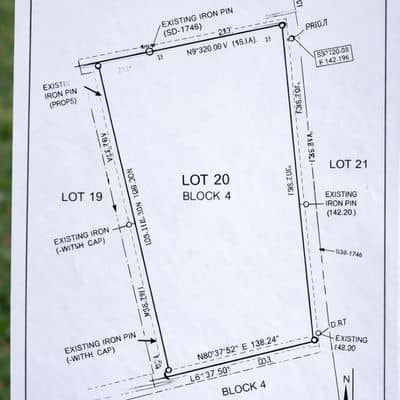
A property line survey prevents these disasters because it answers the boundary question before money goes into the ground.
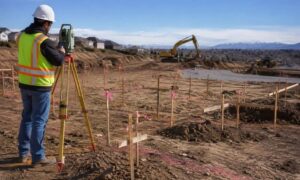
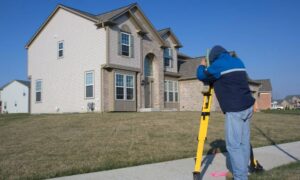
First, the surveyor researches deeds and plats. Next, they compare historical records. Then they measure the site using precision equipment. After that, they recover or set boundary corners. Finally, they mark the line and produce a certified drawing.
Because of this process, you gain clear, defensible proof.
That proof helps in several ways:
You build in the correct location You avoid neighbor conflicts You satisfy permit requirements You prevent encroachment claims You protect resale value
Most importantly, you replace assumptions with facts.
Real Situations Clients Face All the Time
Fence disputes don’t start with bad intentions. Instead, they start with normal projects.
For example, a homeowner replaces a worn fence “in the same holes.” Later, a neighbor orders a survey. The new fence crosses the boundary by two feet.
Or a buyer prepares to close on a home. The lender requests a boundary check. The report shows the fence sits on the neighbor’s lot. Now the closing pauses.
Sometimes a contractor lays out a retaining wall near the edge. Without a property line survey, the wall ends up outside the parcel. The owner must rebuild.
These cases happen every week — not just in headlines.
When You Should Order a Property Line Survey
Timing matters. If you wait too long, correction costs more.
You should order a property line survey before:
Installing a new fence. Replacing an old fence. Building a wall near the edge. Adding a driveway near the boundary. Constructing a shed or garage. Resolving a neighbor concern. Buying property with older improvements
Even better, schedule the survey during planning — not after construction begins.
Why “We Agree on the Line” Is Not Enough
Neighbors sometimes agree on a boundary verbally. While that feels helpful, it does not hold legal weight. Memory changes. Ownership changes. New buyers arrive.
Therefore, friendly agreements today can turn into disputes tomorrow.
A property line survey creates a record that stays with the land. It protects both sides, not just one.
The Cost Comparison Nobody Talks About
Some owners skip a survey to save money. That seems practical at first. However, the math often flips later.
Moving a fence costs far more than measuring first. Legal consultations cost more. Permit violations cost more. Closing delays cost more.
Meanwhile, a property line survey works like insurance. It reduces risk before spending begins.
So instead of asking, “Can I skip this?” ask, “What happens if I guess wrong?”
Construction Projects Need Certainty, Not Estimates
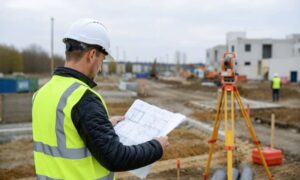
Construction works best with verified control points. Builders rely on known references. Engineers design from measured data. Surveyors provide that base layer.
Without that layer, every improvement carries risk.
Even small residential projects benefit from correct layout. After all, boundary errors do not shrink just because the fence looks small.
Build With Proof, Not Hope
Viral fence disputes may feel dramatic, but they grow from simple mistakes. People trust appearances. They trust memory. They trust rough measurements.
However, boundaries require precision.
A property line survey gives you that precision before construction begins. As a result, you build with confidence, protect your investment, and keep peace with neighbors.
Before you dig the first post hole, confirm the line. It’s the easiest step that prevents the hardest problems.