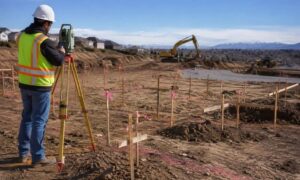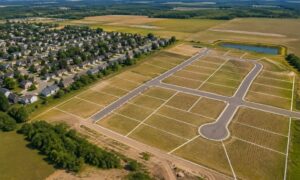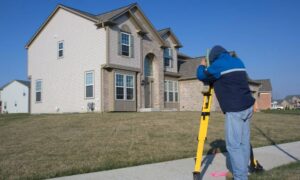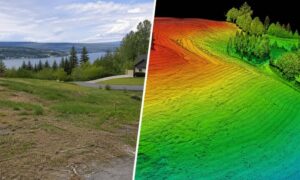
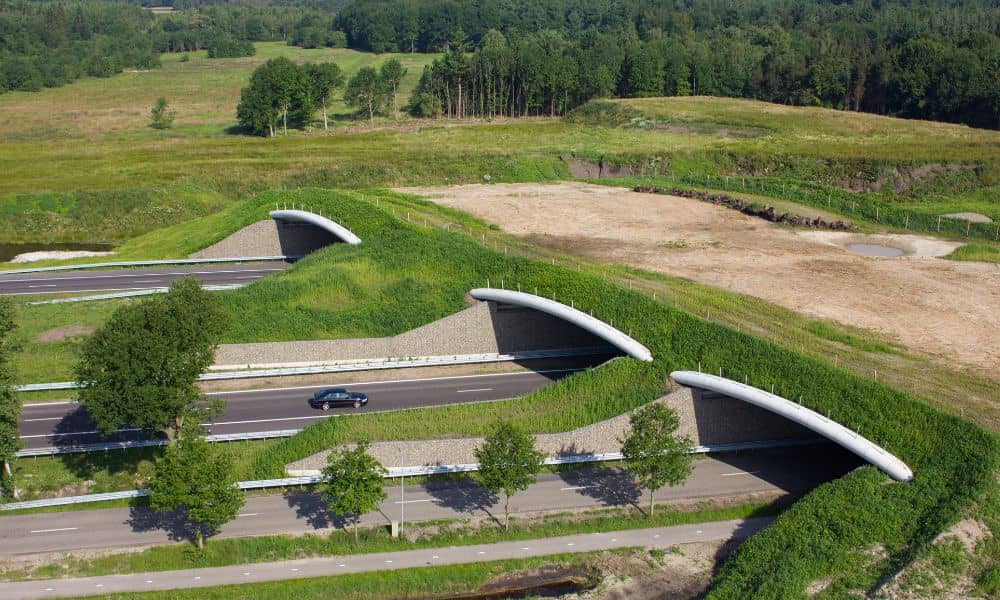
If you’ve scrolled Colorado news lately, you’ve probably seen the I-25 Greenland Wildlife Overpass between Denver and Colorado Springs. People shared it because it feels hopeful: a crossing that helps elk and other wildlife move safely. As a civil engineer, I see another story under the headlines soil testing. It doesn’t look exciting on camera, yet it protects the project long after the ribbon cutting.
Soil testing matters because ground risk doesn’t announce itself. Instead, it shows up as a schedule slip, a surprise change order, or a “why did this crack?” phone call. So, let’s use that viral overpass moment to talk about ground risk.
Why engineers look down first
The overpass looks massive and “natural,” not like a skinny bridge. That design choice helps animals feel safe crossing. Meanwhile, engineers focus on something less visible: the ground that must support earthwork, pavement, and structure through rain, snow, freeze-thaw, and traffic vibrations.
Soil doesn’t behave like steel. It changes with water and temperature. It also changes when crews cut it, move it, or compact it. Therefore, if a team guesses wrong about soil, even a great design can struggle.
Ground risk hits early, even when everything looks fine
Most people picture risk as a dramatic failure. However, ground risk often starts with smaller problems: excavation hits wet, soft material and slows down; subgrade turns mushy after a storm and won’t compact; trenches settle and create dips in pavement; fill settles unevenly and changes grades.
Those issues feel “fixable,” so teams patch them on the fly. Still, rework eats time and money fast. As a result, projects slip, budgets swell, and everyone argues about who caused what.
What “ground risk” means around Denver
Denver-area sites can change quickly from one block to the next. One lot might sit on stable material, while the next lot hides expansive clay or mixed fill from older work. Plus, utility trenches and past grading can leave disturbed zones that behave differently than native soil.
So, ground risk often comes from variability. One part of your site supports load well, while another part holds water longer or moves more. Therefore, the smartest goal for soil testing isn’t “learn everything.” The goal is “find the risky zones early enough to plan for them.”
The overpass lesson: don’t buy a report—buy fewer surprises
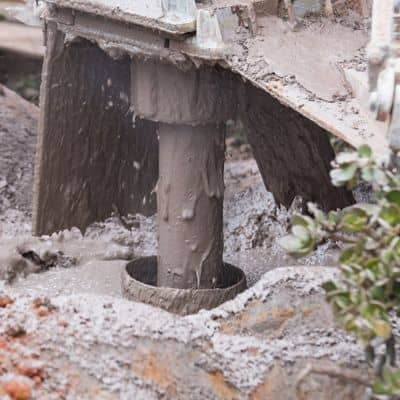
Many owners think, “I need a soil report.” That mindset turns soil testing into paperwork. In reality, the report only matters when it changes what you draw, what you approve, then what you build. That’s why soil testing belongs near the start of site plan preparation, not after plans feel “almost done.”
Strong teams do this. They decide what they need to learn based on the project. Next, they test the places most likely to cause trouble, not the easiest corner. Then they turn results into plan notes crews can follow, plus clear expectations in the field. Finally, they verify the ground during construction, so the site behaves the way the design expects.
That approach scales down. You can use it on a small pad site or a subdivision street just as well as on a major corridor project.
Transition zones: where soil mistakes show up fast
On a crossing like this, the approach embankments and tie-ins matter a lot. They connect earthwork to structure, so they create transition zones. One side can move differently than the other, especially if materials change.
You see the same concept on local projects: a driveway tie-in to an existing street, a slab edge near a thickened footing, a parking lot that crosses a utility trench, or a graded pad that meets a slope.
These spots often crack, settle, or collect water first. Therefore, soil testing should target them early. When teams plan for them, they reduce rework later.
Water: the risk amplifier that hides in plain sight
Posts about the overpass won’t show groundwater or slow drainage. Yet water drives many field problems. Wet soil loses strength. Saturated subgrade pumps under equipment loads. Poor drainage keeps an area soft for days, which delays paving or pouring.
So, good soil testing doesn’t just label soil. It helps you predict how the ground will behave after rain, snowmelt, and freeze-thaw. Then your team can adjust grading, drainage paths, and sequencing before the site turns into a mud fight.
Why “we tested” still fails on some projects
Some teams order soil testing and still get burned. That usually happens because they treat testing like a formality.
For example, they test the convenient area, not the risky area. Or they test too shallowly, even though they plan heavy fills. Sometimes they ignore disturbed zones like old pads and backfilled trenches. Then they file the report away instead of turning it into specs. Finally, they skip field verification and hope the subgrade “works out.”
In other words, the test alone won’t save you. Decisions and follow-through save you.
A simple mini story: chaos vs control
Picture a small commercial pad. The team rushes to grade, then a storm rolls through. One corner stays wet and soft, so compaction fails. Crews rework it twice. The concrete pour slips. Costs climb.
Now picture a better plan. The team orders soil testing early, targets the wet corner and the cut-fill transitions, and sets clear acceptance rules for subgrade. So, when weather hits, the crew already knows the fix and moves on. As a result, the schedule survives.
The takeaway for builders and developers
The wildlife overpass story went viral because it feels inspiring. However, long-term performance depends on invisible discipline. Soil decisions protect everything that sits above them.
So, if you plan a build, don’t rush soil testing just to “check the box.” Treat it like early insurance against delays, redesigns, and expensive field surprises. You’ll spend a little up front, and then you’ll build with clarity instead of guessing.