

Boost Property Value with a Topographic Survey in Denver

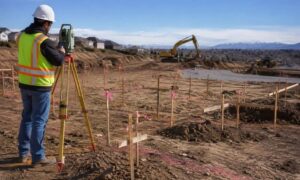
Surveyor adjusting a leveling instrument on a property site—highlighting the importance of topographic survey for land development and value assessment.

If you own property in Denver, you likely know how valuable your land can be. One effective way to maximize its value is by getting a topographic survey. This type of survey helps you understand your property’s features and potential clearly, helping you avoid costly mistakes and make smarter decisions.

How a Topographic Survey Can Increase Your Property’s Value

1. Identify the Best Use of Your Property

A topographic survey clearly shows your land’s elevations, slopes, and physical features. With this information, you can:

  • Decide the ideal location for buildings or landscaping.
  • Plan expansions or subdivisions efficiently.
  • Maximize usable land space.

2. Improve Landscaping and Curb Appeal

Accurate terrain data helps create appealing and functional landscapes. This can:

  • Increase curb appeal.
  • Enhance property attractiveness to buyers or renters.
  • Raise your property’s market value.

3. Optimize Drainage and Flood Management

Denver’s varied climate can cause drainage issues. A professional survey helps you:

  • Identify potential flooding risks.
  • Plan drainage systems effectively.
  • Prevent future damage and expensive repairs.

Common Mistakes Property Owners Make (and How to Avoid Them)

1. Not Understanding Property Boundaries

Unclear boundaries can lead to disputes or costly corrections later. To avoid this:

  • Get clear boundary lines from your topographic survey.
  • Clearly mark boundaries before making improvements.

2. Ignoring Terrain Challenges

Uneven terrain can cause unexpected construction expenses. Prevent this by:

  • Reviewing terrain data carefully before building or landscaping.
  • Adjusting project plans based on your survey results.

3. Overlooking Environmental Restrictions

Environmental limitations, like protected areas, can halt development. Avoid this by:

  • Discussing environmental concerns with your surveyor.
  • Planning projects according to local regulations.

Practical Tips to Maximize Property Value

  • Always hire a licensed and experienced local surveyor.
  • Use your survey data to inform every decision, from design to construction.
  • Regularly update surveys, especially before major property changes.

FAQs

1. What exactly is a topographic survey?
It’s a detailed map showing land elevations, slopes, and natural features, helping you plan development effectively.

2. Do I really need a topographic survey for my Denver property?
Yes, especially before construction, landscaping, or major property decisions. It prevents mistakes and maximizes land value.

3. How long does a topographic survey usually take in Denver?
Typically, a survey takes about 1-2 weeks, depending on your property size and complexity.

4. Can a topographic survey help with building permits?
Yes, accurate surveys are often required by Denver authorities to approve building permits and ensure compliance.

5. What’s the average cost for a topographic survey in Denver CO?
Costs vary based on property details, usually ranging from $600 to $3,000. Always ask for a quote from your surveyor first.

author avatar
Surveyor

More Posts

Land surveyor using a total station to mark construction staking points on an active job site before foundation and site development work begins
construction
Surveyor

What Is Construction Staking and Why Does It Matter?

Construction staking is a surveying process that marks the location and elevation of a structure on a job site before building begins. It turns plans on paper into real points on the ground so builders know exactly where to dig, grade, and build. Construction staking is one of the most

Read More »
Aerial view of a new housing subdivision with empty rectangular lots and grid streets surrounding a central cul-de-sac, nearby completed homes visible nearby.
civil engineering
Surveyor

Subdivision Planning: Why Water Supply Affects Lot Approval 

Most people think land size and zoning decide how many lots they can create. That sounds right at first. Still, in Denver, water often makes the final call. Water supply has become a real limit for new development. Local agencies now look closer at how much water a new subdivision

Read More »
Surveyor measuring property lines in a residential yard before building a fence
boundary surveying
Surveyor

Boundary Survey for Fence Permits: Before You Build 

You’re ready to build a fence. You picked the design, talked to a contractor, and set a budget. Everything feels simple at first. Then the permit comes into play. At that point, many homeowners in Denver realize they don’t have clear information about their property lines. They may have a

Read More »
Civil engineer reviewing site plans with a contractor during a project discussion
civil engineering
Surveyor

When Do You Need a Civil Engineer for a Drainage Report?

You start a project expecting it to move fast. Plans are ready, and the design looks clean. Then the city reviews your submission and asks for a drainage report. It catches you off guard. Everything slows down, and this is usually when a civil engineer is brought in to help

Read More »
Side-by-side view of a sloped lot and a lidar mapping view showing elevation changes across the land
land surveying
Surveyor

How to Use Lidar Mapping Data to Evaluate Sloped Lots

Buying a sloped lot can feel like a smart move at first. The views are better, the space feels open, and the land often looks more private. Still, that same slope can bring problems that don’t show up right away. Many people walk on a property, like what they see,

Read More »
Surveyor reviewing site plans at a construction site to assess soil conditions for a geotechnical engineering report
civil engineering
Surveyor

How Old Is Too Old for a Geotechnical Engineering Report?

You found an old report. It looks solid. It even shows your property. So you include it with your permit and expect things to move forward. Then the city pushes back. That catches a lot of people off guard. Most assume the report still holds up, but the ground doesn’t

Read More »