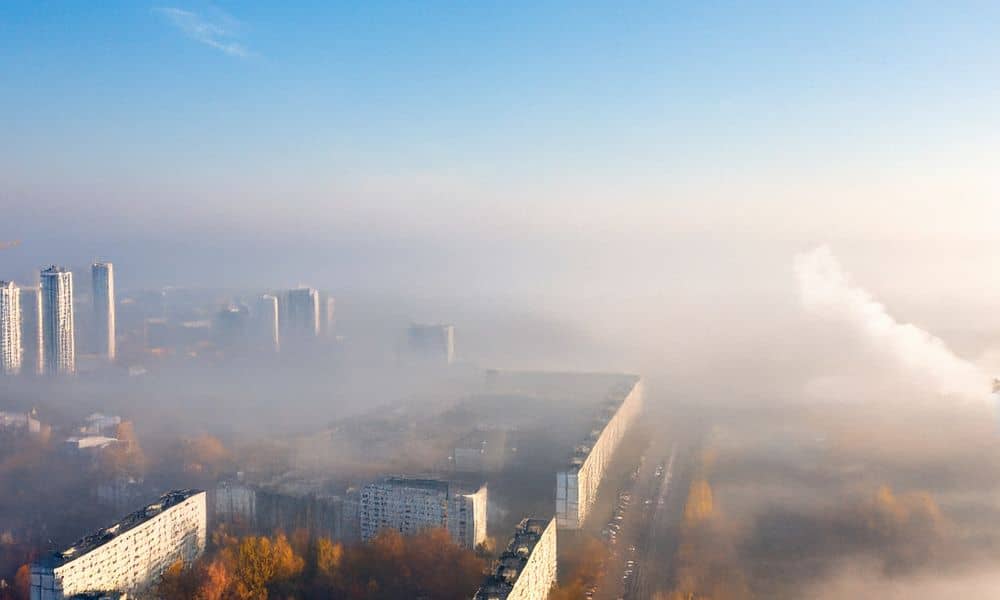
Denver is famous for its clear skies, mountain views, and outdoor lifestyle. However, many residents have noticed a big change in recent weeks. The air feels heavier. Smog stays longer. Breathing feels harder, especially in the mornings and on calm days. Because of this, air quality alerts appear more often, and people are starting to worry. As a result, one role is now in high demand: the environmental engineer.
People want answers. Is it safe to open windows? Why does pollution stay trapped in the city? How can buildings protect indoor air? Most important, what can businesses, builders, and property owners do to lower health risks?
Environmental engineers help answer these questions. Right now, their work matters more than ever.
Denver’s Air Quality Problem Is Growing
Denver sits in a valley near the Rocky Mountains. Because of this, air sometimes gets trapped near the ground. During colder months, temperature inversions often hold pollution in place. As a result, car exhaust, construction dust, heating smoke, and factory emissions build up instead of blowing away.
At the same time, Denver continues to grow quickly. More people bring more cars. More construction brings more dust. More buildings create higher energy use. Together, these changes place strong pressure on local air quality.
In addition, wildfire smoke now travels long distances and stays in the air longer. During summer, smoke from fires far away can cover the city for days or even weeks. Even when skies look clear, harmful particles may still float in the air.
Because of these factors, poor air quality now feels normal instead of rare.
Why People Suddenly Started Paying Attention
Recently, news reports and social media posts highlighted how bad air quality has become in many large cities, including Denver. People began sharing advice about ventilation, air purifiers, and indoor air safety. Some trends even encouraged daily window opening to refresh indoor air.
However, simple fixes do not always work. On bad air days, opening windows can make indoor air worse.
Because of this, many people realized something important. Good air quality does not happen by chance. It requires smart design and careful planning.
That realization increased demand for the environmental engineer.
What Does an Environmental Engineer Do?
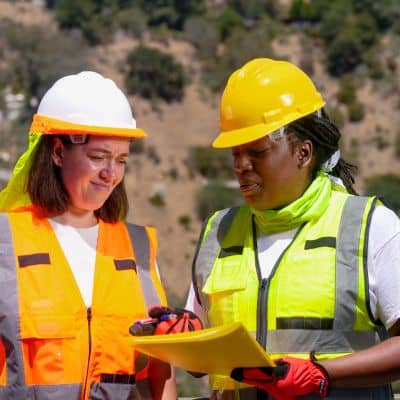
Many people think environmental engineers only clean up pollution. In truth, their job covers much more.
An environmental engineer designs systems that protect air, water, and soil. They study how pollution moves. They help design buildings that bring in clean air and push out dirty air. They also create plans that reduce dust, smoke, and runoff. In addition, they guide projects through environmental rules and approvals.
In Denver, environmental engineers often focus on:
- Indoor air quality
- Ventilation design
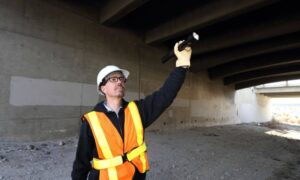
- Pollution spread modeling
- Dust and smoke control
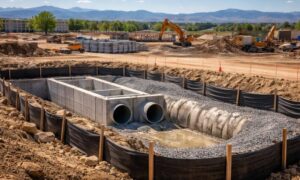
- Stormwater planning
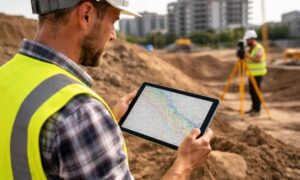
- Environmental site reviews
Because air quality now affects health, comfort, and legal rules, their work begins early in project design.
Why Builders and Developers Call Environmental Engineers First
In the past, many projects handled environmental issues at the end. Today, that method no longer works.
Developers want quick approvals. Builders want smooth construction. Property owners want healthy spaces. Cities want safer growth. All of these goals depend on good environmental planning.
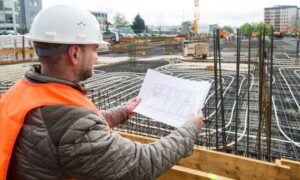
An environmental engineer helps prevent problems before they happen. They design airflow systems that reduce pollution indoors. They plan dust control during construction. They create layouts that help air move better. They also prepare reports that speed up permits.
Because of this, environmental engineers now shape projects from the very beginning.
Why Denver Needs Special Engineering Solutions
Denver presents challenges that few cities face.
First, high altitude changes how air flows. Ventilation systems must work harder than at lower elevations.
Second, mountain weather changes quickly. Calm days trap pollution. Cold nights increase inversions. Engineers must design systems that adjust fast.
Third, dry winters increase dust during construction. Without good controls, this dust spreads easily.
Finally, wildfire smoke affects Denver for long periods each year. Buildings need filtration and airflow systems that protect indoor air even when outdoor air becomes unhealthy.
Because of these factors, Denver requires skilled environmental engineers who understand local conditions.
The Cost of Ignoring Air Quality Planning
Poor air quality affects more than health. It also costs money.
Buildings with bad indoor air lose tenants. Offices see lower worker focus. Schools report more sick days. Retail shops lose customers. Hospitals face higher patient loads.
In addition, projects that fail environmental reviews face delays and redesign costs. Construction sites with poor dust control risk shutdowns. Property owners who ignore air rules face fines and legal trouble.
On the other hand, projects that hire an environmental engineer early save money. Smart designs lower energy use. Proper airflow reduces repair needs. Good planning avoids delays.
In short, prevention saves time, money, and stress.
Why Environmental Engineers Now Guide Big Decisions
Today, environmental engineers do more than solve problems. They guide major choices.
They help choose building positions to improve airflow. They advise on materials that reduce pollution. They design ventilation systems that adjust to changing air quality. They also help plan long-term environmental goals.
Because air quality now affects safety, value, and compliance, environmental engineers shape projects from start to finish.
What This Means for Property Owners
If you plan to build, renovate, or expand, air quality planning should start early.
Projects that involve environmental engineering early gain:
- Faster permits
- Fewer delays
- Lower energy costs
- Better tenant comfort
- Reduced legal risk
Most importantly, they create safer places for people.
Ignoring environmental planning now leads to avoidable problems later.
Why Demand Will Keep Rising
Denver continues to grow. Climate change keeps altering air patterns. Regulations keep tightening. Public awareness keeps rising.
Because of this, environmental engineers will stay in high demand.
As cities expand, environmental engineers will help balance development with health and safety. Their work will shape how it grows while protecting the air its people breathe.
Final Thought
Denver’s air quality crisis shows one clear truth. Clean air requires planning, design, and expert care.
That is why the environmental engineer now plays such a vital role in Denver’s future.
And that is why demand for their skills continues to rise.