When people hear about Denver’s mixed-use stadium proposal at Burnham Yard, they often think about football games, concerts, and new jobs. However, long before anyone enters the stadium, a land development engineer plays a major role in deciding if the project can move forward. Projects this large depend on early engineering work more than drawings or announcements.
This stadium proposal is not only about sports. It shows how land development engineering supports major projects in cities like Denver.
Why Burnham Yard Is Important to Denver
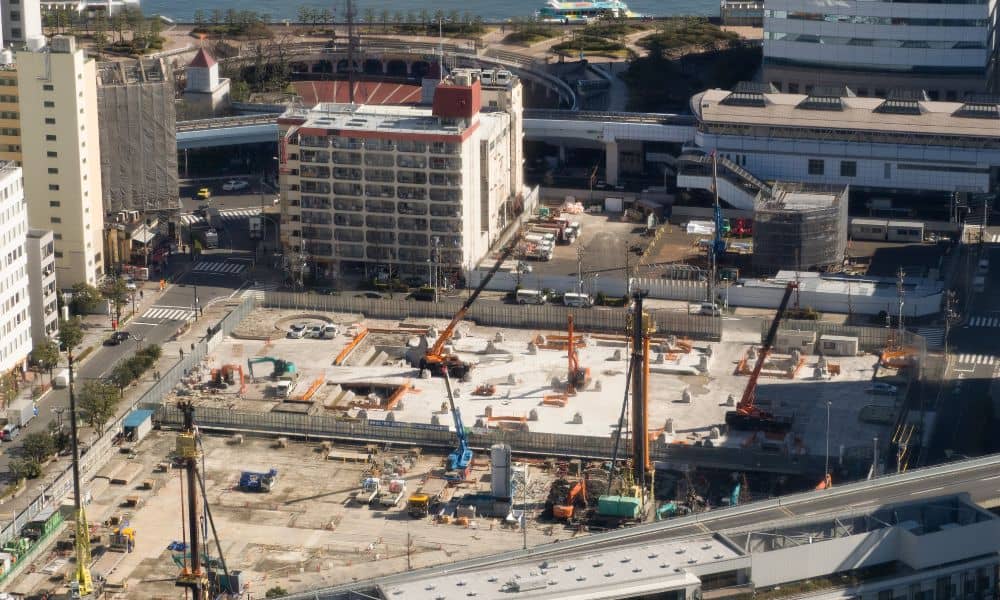
Burnham Yard sits just south of downtown Denver in the La Alma–Lincoln Park area. The site is more than 100 acres and once worked as a railyard. Today, the city is looking at the site for a large redevelopment. Plans include a stadium, housing, hotels, shops, and major upgrades to roads and utilities.
Because of its size and history, this site has challenges that small projects do not have. That is why a land development engineer is so important. Burnham Yard includes old utilities, past industrial use, and strong public interest.
Engineering Comes Before Design

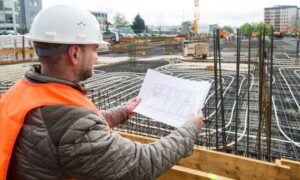
Many people think architects lead projects like this. In most cases, a land development engineer comes first. Before any design work begins, engineers study the land.
At Burnham Yard, early questions include soil strength, water flow, flood risk, and environmental issues from past rail use. These details decide what can be built and where it can go. They also affect the project cost. If these issues are not clear early, even good designs can fail.
Denver also has strict rules for development. Early engineering helps avoid delays during permits and reviews. When site limits are known early, projects move faster.
Infrastructure Sets the Budget
Large projects rarely struggle because of buildings alone. More often, they struggle because of infrastructure. Roads, utilities, drainage systems, and access points often cost more than expected.
At Burnham Yard, a land development engineer must plan water, sewer, power, and stormwater systems. These systems must work every day and during large events. They must also last many years.
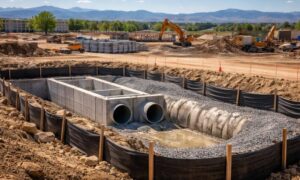
Denver requires strong stormwater controls. Engineers must design grading plans and detention systems that protect nearby areas from flooding. If these systems fail, projects face delays and added costs.
Traffic Planning Affects Public Support
Traffic is one of the biggest concerns for the public. Stadium events bring thousands of people to one place at the same time. Because of this, traffic planning is very important.
Land development engineers work with roadway and traffic engineers. Together, they design access roads, service routes, emergency paths, and walkways. These plans must keep people safe and reduce impact on nearby neighborhoods.
Burnham Yard sits close to homes and businesses. Because of this, traffic plans affect how the public feels about the project. Good planning reduces noise and congestion. Poor planning creates frustration.
Community Concerns Shape Engineering Decisions
Large projects often receive strong feedback from the community. Near Burnham Yard, residents have shared concerns about traffic, noise, flooding, and construction impacts. These concerns affect engineering decisions.
A land development engineer turns these concerns into real solutions. This may include flood control features, better drainage, safer access roads, or construction phases that reduce disruption.
In Denver, community agreements often affect project approval. Engineers help support these agreements by showing that improvements can be built safely.
Phasing Keeps Projects Moving
Projects like this are not built all at once. Instead, they are built in phases over many years. This creates added engineering challenges.
Engineers must design systems that work during early construction. Temporary drainage, utilities, and access routes must support each phase while allowing future growth. When phasing is not planned well, delays and costs increase.
At Burnham Yard, phasing also affects funding. Investors want to see that each phase can work on its own. Land development engineers help provide that confidence.
Lessons for Developers and Property Owners
This stadium proposal offers clear lessons for anyone planning a large project in Denver.
First, involve a land development engineer early. Early planning saves time and money.
Second, expect infrastructure to affect the budget. Roads, utilities, and drainage often cost more than buildings.
Third, listen to the community. Engineering solutions help address concerns and speed approvals.
Finally, plan for the future. Long-term maintenance and growth matter as much as first construction.
How the Engineer’s Role Is Changing
Projects like Burnham Yard show how land development engineering has changed. Today, engineers do more than prepare site plans. They guide early studies, manage risk, coordinate teams, and support public meetings.
In growing cities like Denver, land development engineers help balance growth with safety and community needs. Their work supports projects from the ground up.
Final Thoughts
Denver’s mixed-use stadium proposal shows one clear lesson. Large projects depend on strong engineering. Before fans attend games or shops open, a land development engineer has already shaped the project’s future.
For developers, property owners, and city leaders, the message is simple. When a site is complex and the risks are high, early land development engineering is critical. It provides the base that supports everything built above it.