
It really happened — in early November, Denver reached 83°F, breaking a long-time heat record. That might not sound like a big deal, but it has a big effect on stormwater design. The systems that move and store rainwater now face new pressure. When heat hits at the wrong time of year, everything changes — pavement cracks, soil dries up, and drainage systems stop working the way they were built to. For builders, engineers, and property owners, this is more than just strange weather — it’s a warning that our stormwater plans need to catch up with the climate.
The Heat Wave and Why It Matters
On November 2, 2025, Denver’s airport recorded 83°F, beating the old record for the month. Normally, early November highs are around 60°F. When it suddenly gets 20 degrees hotter, every part of a city’s infrastructure feels it — from streets and bridges to storm drains and detention ponds.
Pavement expands, joints shift, and the soil underneath dries out. When rain comes after a hot spell, the water runs off faster instead of soaking in. That’s when drainage systems get overwhelmed. This is where stormwater design becomes more important than ever.
How Heat Affects Stormwater Design

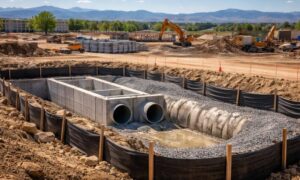
Stormwater design looks at how rainwater moves through a site — how much runs off, where it goes, and how fast it drains. But when we get unseasonal heat, those designs face challenges:
- Less soaking, more runoff: Hot, dry ground can’t absorb water easily, so more water rushes across the surface.
- Faster evaporation: Plants and soil lose water faster, which changes how detention ponds fill and drain.
- Material movement: Concrete and asphalt expand and shift, changing where water flows.
- City heat effect: In paved areas like downtown Denver, trapped heat makes storms hit harder, sending more runoff into drains all at once.
All this means older designs — based on typical weather — might not perform well anymore. The models engineers used 10 years ago don’t match what Denver is facing today.
Real-World Impacts for Denver Projects
Think of a new commercial project in Denver. The engineers have finished the grading plan, the detention pond, and all the drainage paths. Everything works fine on paper. Then an early-November heat wave hits, followed by rain.
Because of the heat, the ground becomes hard and dry. The rain doesn’t soak in — it runs off fast. The detention pond fills up more quickly than expected. Pavement joints shift from heat, changing how water moves. Water starts to pool in areas that were supposed to drain easily.
Nothing was “wrong” with the plan — it just wasn’t ready for this kind of weather swing.
What Builders and Engineers Can Do
No one needs to start over, but it’s smart to make a few updates to prepare for the new climate reality.
- Check your detention pond design: Make sure it uses up-to-date evaporation and infiltration rates for hotter conditions.
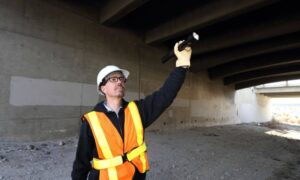
- Inspect paved areas after heat waves: Cracks and shifted joints can change runoff paths.
- Plan for the “first flush”: The first storm after hot weather brings extra-heavy runoff.
- Add cooling and green features: Use more shade trees, light-colored pavement, and previous materials to help lower surface heat.
- Monitor your system: Track how detention ponds drain after storms and adjust designs for the next project.
These small steps can make a huge difference when the next surprise heatwave hits.
Why This Matters to Developers and Property Owners
This isn’t just a civil engineering issue — it’s a cost and safety issue. A poorly performing drainage system can lead to flooding, project delays, or even permit violations.
For developers, fixing drainage problems after a storm can cost thousands. For project managers, it can throw off schedules. And for city planners, it means more maintenance and public complaints.
If your stormwater design still relies on outdated weather data, it’s time to update it. A little adjustment today can prevent bigger, more expensive problems tomorrow.
The Takeaway
Denver’s record-breaking 83°F November day isn’t just a weather story — it’s a sign of what’s coming. Unusual heat and sudden storms will happen more often, and civil engineers need to design for that reality.
Strong stormwater design is about more than pipes and ponds — it’s about protecting communities and property from what’s ahead. If you’re planning a new site or improving an existing one, now’s the time to talk with a licensed civil engineer who understands the changing climate.
The weather is changing fast. Let’s make sure our designs keep up.