Strange things happen in cities, but homeowners didn’t expect to wake up to political messages stuck in the ground on survey-style stakes. When local news showed “Let’s Go Brandon” markers popping up in yards, people wondered if they were real survey points or signs of a boundary change. Moments like this show why a boundary line survey matters. When stakes appear without warning, it’s easy to assume they mark something official. However, most homeowners don’t know how to tell the difference between a real survey monument and a prank.
These fake markers caused confusion for days. Some residents thought the city was planning work. Others believed a neighbor ordered a survey. A few even worried that their property lines had shifted. Because stakes look official, people trust them right away. Yet a stick in the ground doesn’t mean your land has been measured, inspected, or documented by a licensed surveyor. Real surveys follow strict rules, and prank stakes can’t replace those standards. That’s why understanding what you see—and what you should ignore—protects you from making costly mistakes.
The Confusion Caused by Fake Survey Markers
In Denver, surveys play a huge role in everyday decisions. Homeowners use them to understand where their yard ends, where fences belong, or where they can build. So when a political sign disguised as a survey marker appears, it creates stress. It also adds confusion at a time when the city continues to grow, and land use changes often. Because of this, knowing how to read the situation helps avoid problems later. One odd marker doesn’t mean crews measured your land. It also doesn’t change your legal boundaries, even if the stake looks professional.
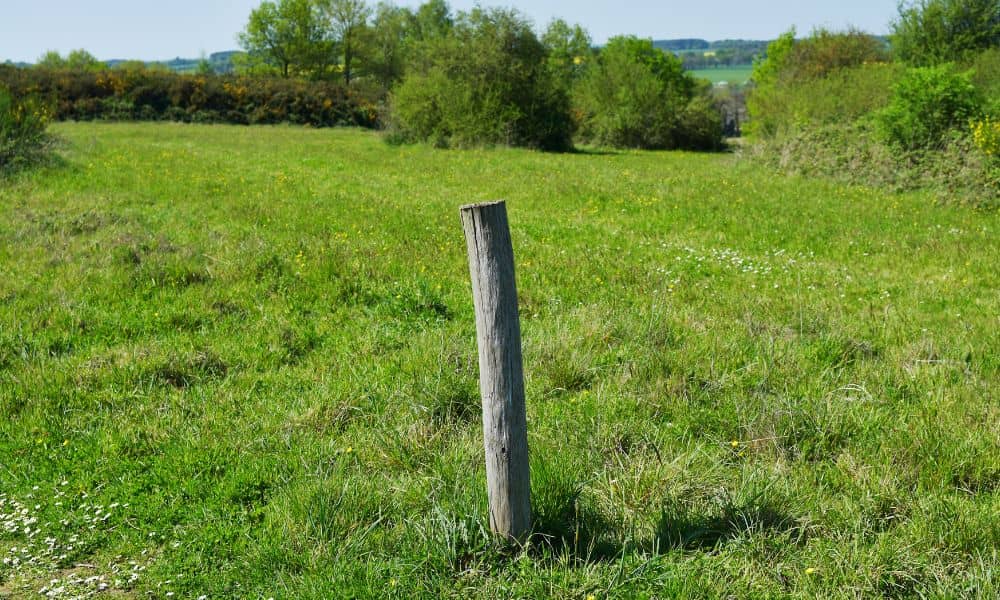
Real survey markers have a purpose. Licensed surveyors place them during a job and record their positions on a drawing. That drawing becomes the legal reference for your property lines. Without that document, a stake means nothing. Fake markers, like the ones placed in Denver, don’t follow this process. They don’t connect to any measurement, record, or official work. They’re only sticks in the ground, and sometimes they are meant to send a message rather than show a boundary. Even so, their appearance tricks people because most homeowners never see real survey monuments up close.
How Real Survey Markers Differ From Fake Ones
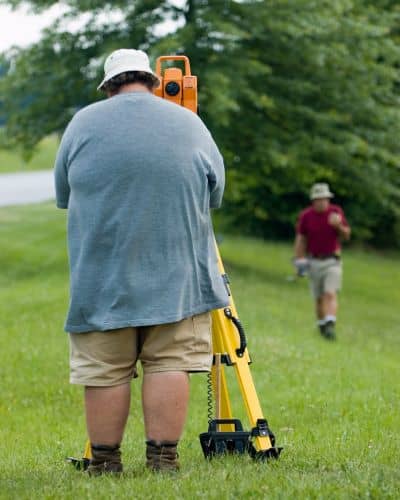
A real survey marker has signs that make it easy for a surveyor to identify. The cap often has initials, a license number, or a company name. The placement follows standards. The location lines up with previous records. When you see a cap with political wording or random numbers, that’s a clue it’s not genuine. The Denver markers didn’t match any survey data. They didn’t match typical materials or layout either. They were planted more like yard signs than boundary monuments. Anyone trained in surveying knew right away. But homeowners without that background had no way to tell.
Denver’s recent incident shows a bigger issue: many people trust visual markers without checking the source. They assume a stake equals information. They assume the land has been measured. They assume someone with authority placed it there. These assumptions lead to quick decisions, and those decisions can create trouble. Someone might move a fence after seeing a stake in the ground. Someone might refuse a neighbor’s project because a marker looks like it shows the edge of the yard. Someone might start planning a shed in the wrong spot. The problem is not the marker itself—it’s the meaning people attach to it.
Why Boundary Confusion Happens So Easily
Surveyors worry about this confusion. Their work depends on accuracy, clear records, and public trust. When fake markers appear, that trust gets shaken. People start doubting what’s real. They also start asking questions about things that have no connection to their property. This takes time away from real surveying needs. More importantly, it makes homeowners uncertain about their own land. Surveyors want residents to understand one key fact: boundaries don’t change because someone planted a stake. Only a licensed surveyor can measure and mark them.
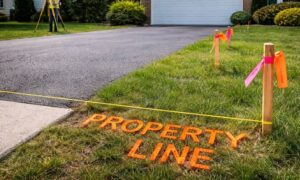
If you ever find an unexpected stake on your property, don’t panic. Look at it closely. Ask yourself if the design seems unusual. Political caps, cheap plastic, or odd shapes are major red flags. Stakes placed in strange spots—far from corners, out of alignment, or pointing in random directions—are also signs that something isn’t right. Try to remember if the city mentioned any upcoming work. Many times, utility crews use colored flags for gas, water, or cable lines. These are not boundary markers either, but at least they come with notice.
What Homeowners Should Do When Stakes Appear
Next, think about what might cause someone to put that stake there. Was it a neighbor making a point? Was it a prank? Was it simply someone having fun? In the Denver case, the stakes appeared overnight and carried a political message. That alone signaled they weren’t tied to official survey work. Still, homeowners should avoid removing markers until they ask questions. Photograph them and check with the city. Sometimes agencies can confirm if they didn’t place anything nearby. If you remain unsure, reach out to a licensed land surveyor. A quick check can give you peace of mind.
There’s also a simple truth at the center of this story: boundaries don’t live in the ground. They live in documents, maps, and recorded data. A boundary line survey draws the real picture of your land. Stakes are only guides that match the drawing. When the drawing doesn’t exist, the stake isn’t tied to your property in any legal way. Homeowners should always trust the recorded information more than anything they see on the ground. When stakes appear without a corresponding survey, they have no meaning.
The Lesson Homeowners Can Take Away
Denver’s situation reminds us how easy it is for misinformation to spread. A single fake marker can start a chain of confusion. People see it, talk about it, and assume the worst. Yet the solution is simple: verify before reacting. A licensed surveyor can confirm if the boundary you believe in matches the recorded one. They can also explain what markers should look like and how to spot fakes. This kind of verification protects your property, your projects, and your relationships with neighbors.
As the city grows, more homeowners will deal with changes around them. Construction increases. Land use shifts. New utilities get installed. With all this activity, markers of every kind appear in yards. Some are official. Some are temporary. Some are jokes. That’s why the Denver fake-marker incident matters. It shows the need for awareness. It also shows the value of understanding what belongs on your land and what doesn’t.
Stakes can say anything. Documents tell the truth. So before assuming a stake marks your property line, check the source. Ask questions. Confirm the facts. And when in doubt, rely on a licensed surveyor. A boundary line survey will always reveal the real story—one that fake markers can’t change.