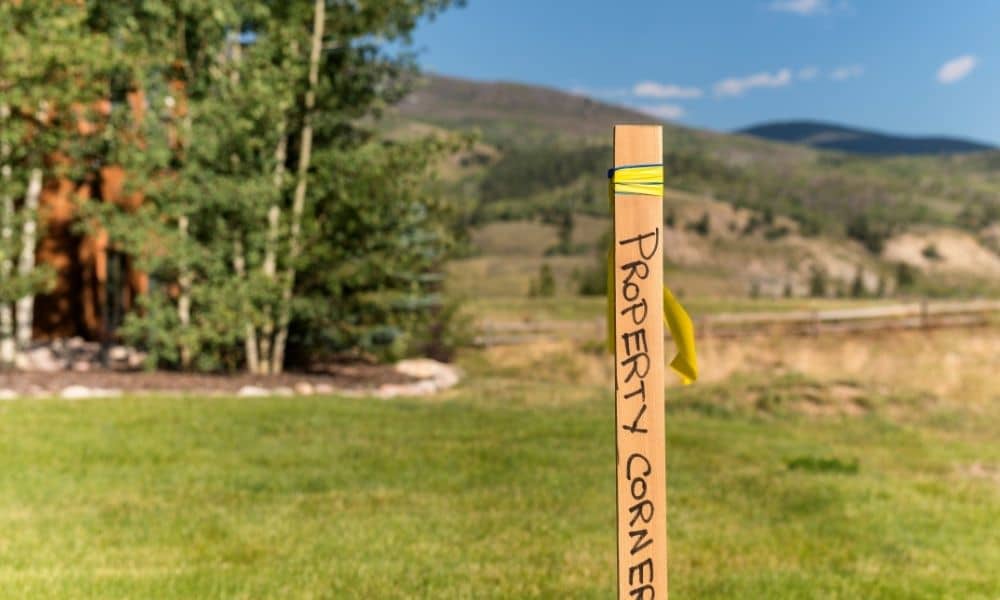
Building or replacing a fence sounds simple. However, in Denver, a fence can turn into a property dispute faster than most homeowners expect. Older neighborhoods, narrow side yards, shared alleys, and uneven lots make property lines hard to judge by eye. What looks straight and fair today can become a problem tomorrow. That’s why having the right land survey for fence projects matters. A fence does more than mark space—it quietly claims where you believe your property ends. When that assumption is wrong, even by inches, problems follow.
Why a fence is not just a weekend project
A fence feels temporary. In reality, it sends a legal message. Once it goes up, it suggests a boundary to neighbors, HOAs, and future buyers. If the fence sits over the line, questions start. Neighbors push back. Contractors hesitate. Sometimes, attorneys step in.
Denver sees this often. Many properties rely on fences built decades ago. Those fences followed habit, not measurements. Over time, posts shift and boards lean. As a result, the “old fence line” rarely matches the true property line. Getting clarity before you build keeps small assumptions from becoming big headaches.
The most common mistake homeowners make first
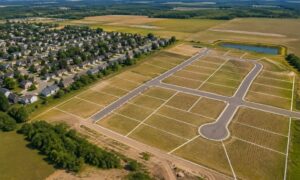
Many homeowners begin with online parcel maps. Those maps look official, so they feel safe. Unfortunately, they only show estimates. They do not mark corners on the ground. They do not control legal boundaries. And they do not settle disputes.
Because of that, people build a fence where the map suggests. Later, a survey reveals the real line somewhere else. Then the fence must move. Materials get wasted. Tempers rise. This single mistake causes most fence conflicts across the city.
The exact survey to order before building a fence

For almost every fence project, the right choice is a boundary survey (often called a boundary-focused property survey).
This survey does a few critical things well:
- It locates and verifies your property corners
- It marks the boundary lines on the ground
- It shows where existing fences, walls, or sheds sit near the line
- It highlights visible conflicts before construction begins
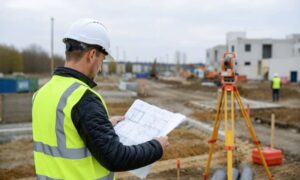
Because of that, a boundary survey gives your fence contractor clear direction. It also gives you proof if questions come up later. Most importantly, it answers the one question that matters most: Where does my property actually end?
Other survey types serve different goals. Topographic surveys focus on elevation and slopes. Construction staking sets points for buildings. For fences, those options add cost without solving the core problem. A boundary survey keeps things simple and effective.
When a boundary survey needs a little more detail
Sometimes, a fence sits close to features that complicate placement. Alleys bring right-of-way limits into play. Retaining walls change how a fence aligns. Sloped lots affect height and setbacks.
In these cases, surveyors often add improvement ties or notes to the boundary survey. These additions still keep the work focused. They simply clarify what sits near the line and how close it gets. A good surveyor explains this early, so you understand what’s included and why.
How surveyors mark fence lines—and why inches matter
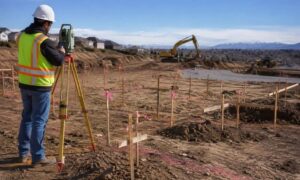
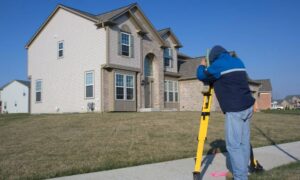
Surveyors do not guess. They research records, locate monuments, and measure carefully. Then they mark corners with stakes or rebar. They also show offsets, which describe how far a fence or structure sits from the true line.
This is where confusion starts. A drawing might show a fence at 0.2 feet over. That sounds tiny. Yet, in legal terms, it matters. Over time, small offsets lead to big arguments. By understanding this early, you avoid the trap of thinking inches don’t count.
Real fence problems homeowners face
Fence issues rarely start with bad intentions. They start with assumptions.
One homeowner replaced an old fence “in the same spot.” A neighbor orders a survey and finds the fence crosses the line. Another installs a fence along an alley without knowing where the right-of-way begins. A third builds during a remodel and discovers the lot narrows at the back.
In each case, a simple survey before construction would have prevented the stress. Instead of reacting later, the homeowner could have planned with confidence from day one.
Smart questions to ask before you schedule a survey
Clear conversations save money. Before work begins, ask a few direct questions.
Ask if the survey will clearly show boundary lines. Ask if corners will be marked on the ground. Ask if nearby improvements and visible easements will appear. Finally, ask if the markings will guide a fence contractor without confusion.
When surveyors hear these questions, they know accuracy matters to you. They also tailor the work to your project instead of offering a generic product.
When to schedule the survey for best results
Timing makes a difference. Order the survey before buying materials. Do it before HOA approvals. Do it before contractors mobilize. Early surveys prevent redesigns and delays. They also give you leverage if issues appear.
During busy seasons, survey schedules fill quickly. Planning ahead keeps your project moving and avoids rushed decisions.
The takeaway for homeowners
A fence defines space and responsibility. Guessing where it belongs invites trouble. Ordering the right land survey for fence work removes that risk with clarity and proof.
In Denver’s tight and varied neighborhoods, this step pays for itself. It protects your investment, keeps your project on schedule, and helps maintain good relationships with neighbors. Before you build, know exactly where your property ends. Everything else becomes easier after that.