When most people hear about a new drive-thru opening, they think about fresh coffee, short lines, or a quick stop on the way to work. But behind every smooth drive-thru experience sits something far more important: drainage design. This part of civil engineering rarely makes the news, yet it shapes how a site works, how long it lasts, and even how safe it feels during storms. A recent example in Colorado shows why drainage matters more than most business owners realize.
A national article reported the expansion of Black Rock Coffee Bar near Colorado Springs. It sounded simple on the surface—a popular coffee chain opening another drive-thru. However, the project also mentioned something easy to overlook: a civil engineering firm handled the site’s layout, grading, and water-runoff solutions. That small detail reveals a bigger truth. Even small commercial sites rely on strong engineering choices. And in Colorado, where sudden rain and fast runoff can hit without warning, drainage work can make or break a new development.
A Drive-Thru Looks Simple, but the Engineering Behind It Isn’t
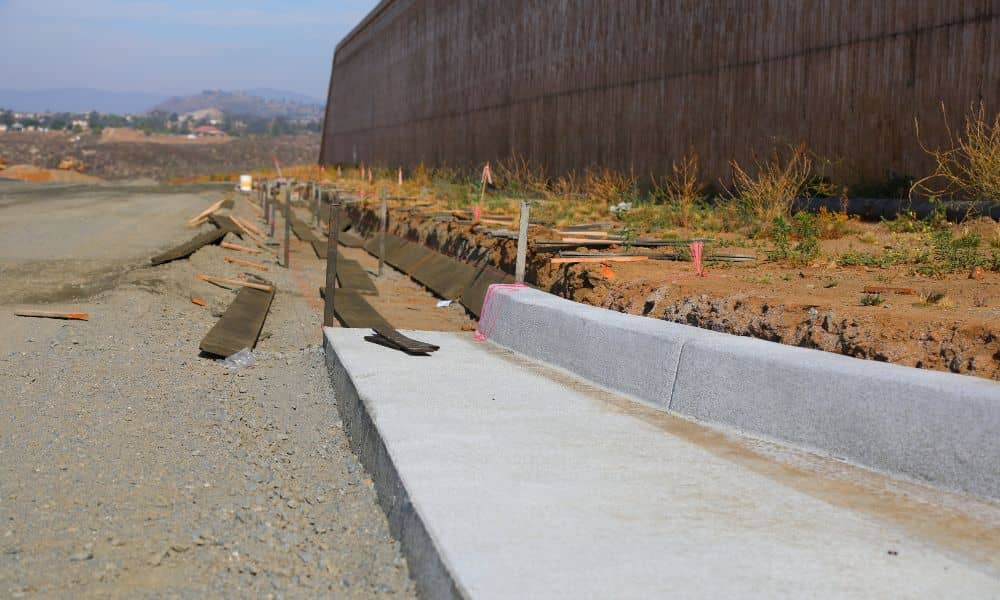
A drive-thru doesn’t seem complicated. Cars pull in, follow a path, place an order, and head back out. Yet the layout hides dozens of design decisions that shape how the site reacts to weather. A flat area for parking and traffic may look harmless, but paved surfaces shed water quickly. That means everything from the slope of the pavement to the shape of the curbs influences where stormwater goes.
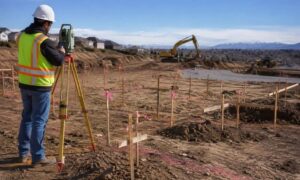
At the Black Rock Coffee project, engineers studied how water flowed across the site. They planned where it should move, how fast it should travel, and where it needed to end up. They checked the impact of a quick storm, a heavy downpour, and even snow melt. They looked at how vehicles moved, too, because the drive-thru path changes how runoff spreads. Good drainage design ties all these pieces together so water never pools near car doors or flows toward the building.
This kind of planning protects the business. Even one poorly placed inlet or wrong slope can lead to puddles, washed-out areas, or slippery surfaces that hurt customer experience. In Colorado, where intense storms can hit in minutes, a mistake leads to real problems.
Why Water Is the Hidden Threat on Small Commercial Sites
Water becomes a major issue for small sites because these areas don’t have much space to work with. Every square foot of pavement counts. More pavement equals more runoff. And more runoff means more pressure on the drainage system.
Many business owners focus on interior design, branding, or even drive-thru speed. They rarely think about the water that moves across their property. Still, water creates headaches when it moves the wrong way. It can soak entrances, erode pavement edges, and flood low spots. It can even damage building foundations over time.
In Colorado specifically, weather shifts quickly. A sunny morning can turn into a sudden afternoon storm. Because of this, engineers design for more than just a typical rainfall. They plan for peak storms so the site stays safe even during rough conditions.
Proper drainage design protects businesses from:
- customer complaints
- slip hazards
- city code violations
- long-term pavement failures
- expensive repairs that show up months later
It isn’t dramatic work, but it shapes whether a property runs smoothly every day.
Colorado’s Rules Keep Businesses Accountable
Colorado cities, including Denver and Colorado Springs, set strict rules for managing runoff. These rules protect local waterways, neighborhoods, and nearby properties. They also make sure new developments do not create drainage problems for existing sites.
Because of this, any new drive-thru or retail pad must follow city standards. That means:
- designing inlets that handle storm events
- proving runoff won’t overflow into the street
- showing where water collects and where it flows
- coordinating grading with drainage features
- preparing complete stormwater and drainage reports
Cities review each plan closely. If something doesn’t work, the business owner faces delays. Delays lead to more cost, more stress, and more pressure to reopen on schedule.
In many cases, the quickest way to pass reviews is to work with a civil engineer who knows requirements, understands local soil behavior, and stays current with stormwater standards. The Black Rock Coffee project highlights this. The firm leading the engineering work didn’t guess their way through the design. They followed city rules, studied the site carefully, and used their experience to help the project move forward.
Lessons for Business Owners Watching Colorado’s Growth
Denver continues to grow. More restaurants, more retail pads, and more drive-thru concepts appear every year. Owners want fast construction, smooth approvals, and low maintenance costs. But projects move faster and stay on schedule when drainage decisions happen early.
This Colorado Springs project offers clear lessons for anyone planning a development:
First, drainage design deserves early attention. When engineers shape the flow of stormwater from the start, the whole project runs smoother. The site layout aligns with slopes, inlets, and traffic circulation.
Second, small sites are the trickiest. Since there isn’t much room to move water around, every detail matters. A wrong slope of even half a percent can change how water behaves during a storm.
Third, strong drainage design protects your brand. If customers drive through puddles or step out into a flooded walkway, it hurts the experience. Good design keeps the property safe and clean.
Fourth, the right engineer saves time. When the team understands the local codes and typical city comments, reviews go faster.
These lessons apply to restaurants, gas stations, car washes, medical buildings, and even tiny retail pads. Colorado’s growth creates opportunity, but only for projects that handle stormwater responsibly.
What Good Drainage Design Looks Like on a Drive-Thru Site
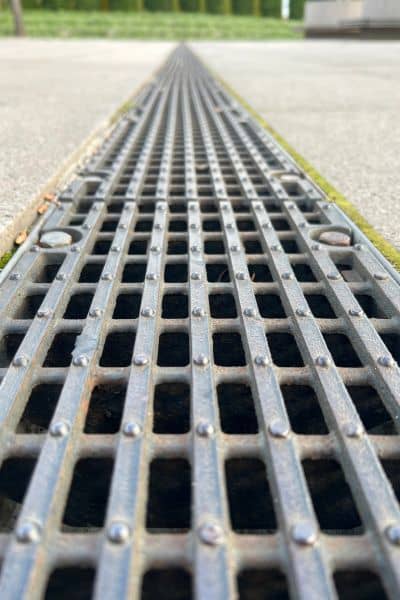
A well-designed site feels simple, but it works because someone studied the details. Good drainage design considers the building, the pavement, the curbs, the drive-thru lane, and the landscaping. It looks at where vehicles pause, where they turn, and where they slow down. It adjusts slopes so water doesn’t flow into bad areas. It places inlets in the right locations. It plans a path for every drop of water during a storm.
On a drive-thru site, this usually means:
- grades that guide water away from the building
- inlets that collect runoff before it spreads
- safe flow paths that keep cars moving
- surfaces shaped to limit puddles
- drainage solutions that match city requirements
Many customers never notice this work. But if the design fails, they notice right away.
A Small Story With a Big Message
The Black Rock Coffee expansion may seem like a tiny news item. Yet it highlights something important for developers and business owners. Successful projects depend on decisions that happen long before concrete hits the ground. Drainage design sits near the top of that list. It protects businesses, keeps customers safe, and keeps cities satisfied.
So as Denver continues to grow, and more drive-thru concepts appear, smart drainage work remains a quiet but essential part of every strong project. The next time you roll through a drive-thru during a storm, remember: a careful engineer made that smooth experience possible.