Colorado has been watching a massive land story unfold. A 46,000-acre deal in the La Jara Basin should have moved forward, yet it suddenly hit a wall. The sale involved the Colorado State Land Board and several federal agencies, and everyone expected an easy final approval. Instead, the entire plan stalled. The news surprised the public, but anyone who works with land deals knows that the smallest details can stop a huge sale in its tracks. One of those details is the alta land title survey, a tool that decides whether a buyer truly understands what they’re purchasing.
This giant land sale shows how even one unclear boundary or missing record can freeze a million-dollar deal. It also shows why land buyers, homeowners, and investors should care. After all, if 46,000 acres can get stuck because of unclear property information, the same thing can happen to your home, lot, or future investment.
A Big Deal Becomes a Big Problem
The La Jara Basin sale looked smooth on paper. Federal agencies planned to buy the land using more than $40 million in conservation funds. Local leaders supported the plan. Years of meetings shaped the process. Everything felt locked in.
Then the deal slowed down. Questions surfaced. Officials wanted to re-check old records, look at old easements, and confirm who had access to which parts of the land. The confusion didn’t come from politics—it came from the land itself.
Massive properties often hide old agreements, forgotten boundaries, or unclear descriptions. When that happens, a selling agency can’t move forward until the land is fully verified. That’s where an ALTA Land Title Survey becomes the real star of the story.
Why Big Land Deals Rely on ALTA-Level Clarity
Most people assume large land deals fail because buyers back out or funding disappears. That can happen, but not as often as people think. Deals this big usually fail because the details don’t match the documents.
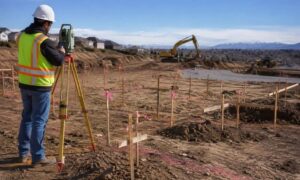
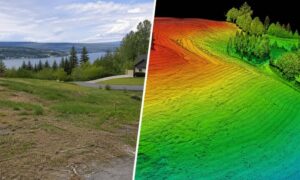
An ALTA Land Title Survey gives a buyer and seller a complete picture of a property. It covers boundaries, access rights, easements, improvements, and anything else that affects ownership. When you’re dealing with land the size of a small city, one wrong line can cost millions.
For example:
- A fence built in the wrong spot could change an entire grazing area.
- An unrecorded road used by ranchers could limit public access later.
- An unclear boundary could affect appraisals, value, and long-term use.
Government buyers need every detail confirmed, and they must follow strict standards. If even one part of the legal description doesn’t match the ground, the buyer can’t finalize the deal. The land might look clean and empty, but the paperwork behind it tells the real story.
Old Boundaries Don’t Always Match Modern Maps

People often think land never changes, but it does. Lines drawn decades ago don’t always match today’s maps or conditions. With a huge parcel like the La Jara Basin, surveyors often discover:
- Old fence lines that no longer match legal property lines
- Roads used for years but never recorded
- Easements that were granted long ago and forgotten
- Natural features that shifted over time
Surveyors sort through all of this, and the ALTA standards help them deliver clear results everyone can trust. When a sale involves state land, federal buyers, and millions of dollars, no one can afford a mistake. Every corner marker must match. Every easement must be confirmed. Every line must be correct.
This is why an ALTA Land Title Survey becomes the deciding factor for large deals. Without it, the land can’t move, and the deal stays frozen.
What Happens When a Private Buyer Steps In
One surprising twist in this story is the possibility of the land being sold to a private buyer. That changes everything.
A private landowner might:
- Block long-used public access
- Build fences where none existed
- Enforce old boundaries differently
- Limit recreational use
- Change how the land is managed
If the sale shifts from public to private hands, the rules shift too. The ALTA survey becomes even more important because it’s the only clear record of how the land can be used. Without it, new owners could face legal fights, neighbor disputes, or challenges from the community.
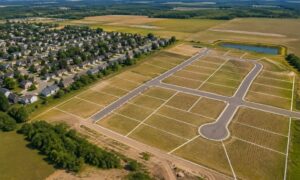
Large parcels look simple on a map, but ownership, access, and easements make them complex. The ALTA survey keeps everything grounded in fact.
What Landowners Can Learn from a 46,000-Acre Lesson
Now let’s bring this closer to home. You may not own thousands of acres, yet the same problems can affect your small lot.
If a huge state deal can fall apart over unclear details, imagine what it can do to a single residential property. A small mistake on your closing documents can:
- Delay a loan
- Stop construction
- Trigger disputes with neighbors
- Limit how you can use your property
- Affect resale value
Many buyers trust online parcel maps or old paperwork. These sources can mislead you. GIS maps often show approximate boundaries. Old plats may not match what exists on the ground. Even updated county records sometimes miss encroachments.
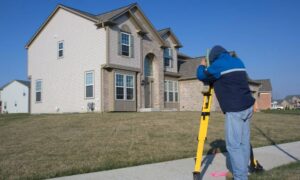
An ALTA Land Title Survey removes the guesswork. It confirms where your land really begins and ends, and it exposes anything that could harm your investment.
Three Smart Questions Every Denver Buyer Should Ask
The La Jara Basin fight teaches simple lessons anyone can use:
1. Has an ALTA Land Title Survey ever been done for this property? If not, you might be relying on outdated or inaccurate info.
2. Are there easements, access points, or old uses I don’t know about? These can affect where you build, fence, or drive.
3. Do the legal descriptions match what is on the ground? Even a few inches matter when dealing with tight urban lots.
These questions help you avoid the same surprises that stalled the massive La Jara deal.
Certainty Matters—Whether You Own 46,000 Acres or a Denver Driveway
Land deals look simple from the outside, but they succeed only when the details hold up under pressure. The La Jara Basin story proves that even one unclear line can stop a sale worth millions. The same principle applies to your own property. You deserve clarity, security, and confidence in what you own.
An ALTA Land Title Survey gives you that confidence. It protects your investment, clears up confusion, and helps you avoid costly mistakes. And just like the agencies involved in the La Jara deal, you shouldn’t move forward until you truly understand the land beneath your feet.
If you’re buying, refinancing, planning a project, or checking old boundaries, starting with a proper ALTA survey will save you time, stress, and money. After all, when a 46,000-acre deal can get stuck over unclear land details, it’s smart to make sure yours never does.