
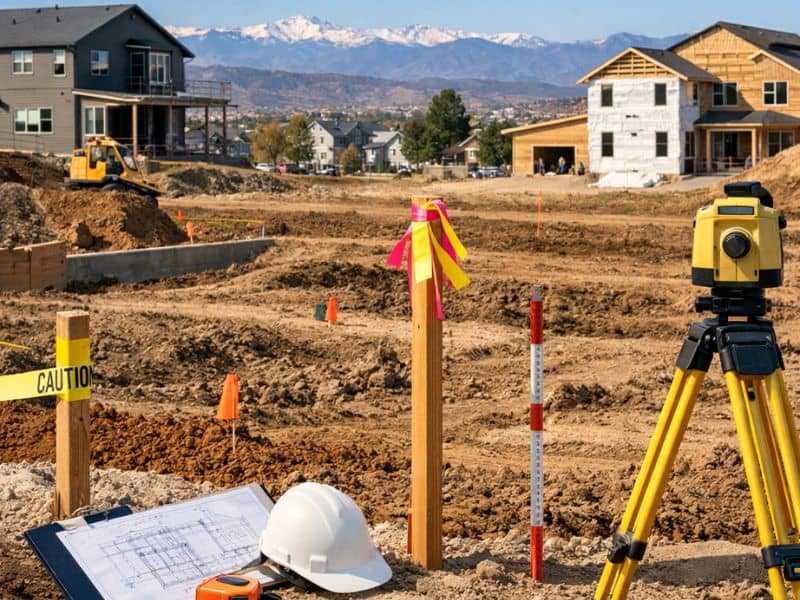
Denver’s growth is changing how residential projects begin. What once felt like a straightforward process—buy land, design a home, and build—now involves more planning, coordination, and site evaluation from the very start. As the city continues to expand and adapt its zoning policies, more projects are relying on land development services earlier than ever before.
This shift reflects how development has become more detailed and site-specific. With ongoing rezoning updates and increased housing demand, property owners and developers are expected to understand their land more thoroughly before moving forward. That means fewer assumptions and more reliance on verified site data and engineering input.
How Denver growth is changing residential development
Residential development in Denver is no longer limited to large-scale projects. Many changes now happen on existing lots—home expansions, infill builds, and redevelopment of older properties. As this activity increases, so does the complexity of each project.
Growth brings tighter expectations. Neighborhoods evolve, land use becomes more flexible, and more properties go through planning and review processes. This creates a need for clearer site understanding before decisions are made.
Even small residential projects can be affected by grading, drainage, access, and lot constraints. As Denver continues to adapt to housing demand, development is happening in areas where conditions may not be as straightforward as they appear.
Why projects now require more early-stage planning
One of the biggest changes in today’s development environment is how early planning needs to begin. What used to be handled later in a project now has to be addressed upfront, especially as site conditions and city requirements become more detailed.
City review processes expect clearer information from the start. Site layout, drainage, access, and feasibility all play a role in whether a project moves forward smoothly or runs into delays. Without that early clarity, plans often need to be revised, which can slow timelines and increase costs.
That’s why many property owners and developers look for complete support for your land development project rather than trying to figure things out step by step. Having a coordinated approach from the beginning makes it easier to identify constraints, plan around them, and move forward with confidence.
With the right planning in place, projects are less likely to face unexpected changes later on. Instead of reacting to issues, teams can address them early and keep the project on track from the start.
What land development services include for residential sites
Land development services cover the groundwork that makes a project possible before construction begins. While each project is different, these services often focus on understanding how the site functions and what it can support.
For residential properties, this may include evaluating grading conditions, planning drainage, reviewing access points, and coordinating with local requirements. It also involves aligning the project with how the land is actually shaped and used.
Rather than working from assumptions, these services provide a clearer picture of the site. That helps homeowners, engineers, and contractors make better decisions before committing to design or construction.
Where projects face delays without proper planning
Many project delays do not come from construction—they come from missing information early on. A design may look workable until site conditions are verified. A layout may need to change once grading or drainage is reviewed. Access points may not function as expected once the site is evaluated.
These challenges often appear after time and resources have already been invested. Adjusting plans at that stage can be frustrating and costly.
In a growing city like Denver, these issues are becoming more common simply because more properties are being developed, modified, or repurposed. When expectations are higher and timelines are tighter, early clarity becomes more valuable.
Why demand is increasing across Denver neighborhoods
As Denver continues to grow, the demand for land development services is rising across a wide range of residential projects. This is not limited to large developments. Homeowners, builders, and small developers are all facing similar challenges when planning improvements.
The need for better site understanding, smoother approvals, and fewer delays is driving more people to invest in proper planning from the beginning. Instead of treating site evaluation as an optional step, it is becoming part of the standard process.
In neighborhoods where land use is changing and redevelopment is active, this trend is even more noticeable. Projects that begin with accurate site information tend to move forward more efficiently, with fewer unexpected issues along the way.