Denver’s dry weather is changing how people think about their outdoor space. Many homeowners are removing grass and switching to gravel, stone, or artificial turf. Others are adding patios, walkways, or small structures to make their yards more useful without needing much water.
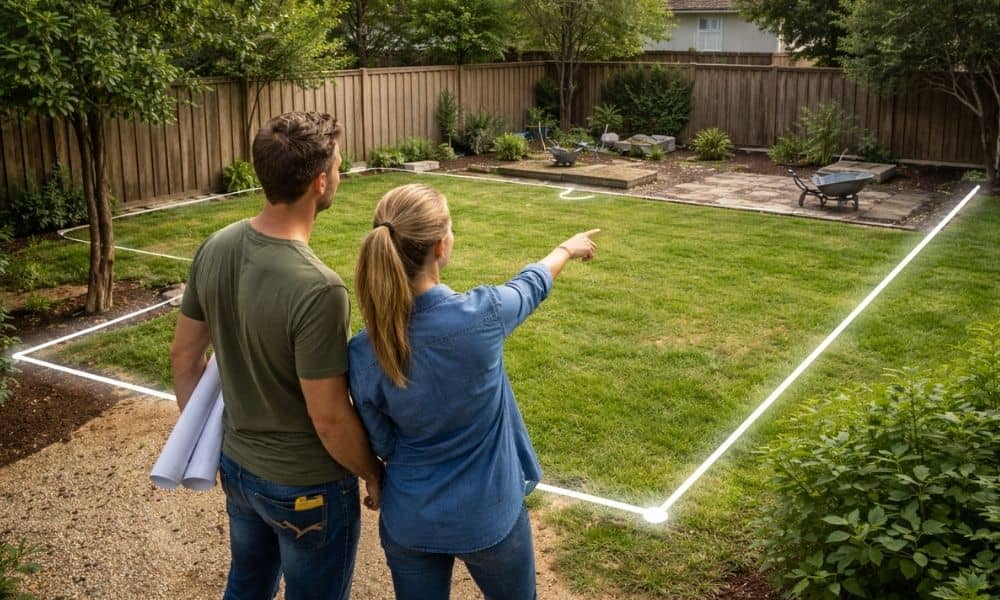
At first, these changes seem easy. You look at your yard, picture what you want, and start making updates. However, once you move a fence, extend a patio, or reshape part of the space, you are doing more than just landscaping—you are changing how your land is used.
That is where a property survey comes in. Before you start any work, it’s a good idea to review your property survey so you have a clear sense of what space is actually yours.
The Problem With “It Looks Right” Planning
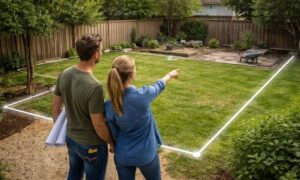
Most homeowners go by what they can see. A fence line, a row of plants, or the edge of a driveway can feel like a clear boundary. However, those markers are not always in the right place.
In many cases, the true property line sits a few feet away from where people think it is. At first, that might not seem like a big deal. Still, once you build something permanent, even a small mistake can turn into a bigger problem.
For example, you might extend your yard a bit to make room for gravel or a patio. Later on, a neighbor points out that part of that space is actually theirs. What started as a simple upgrade quickly turns into a stressful situation.
That’s why it’s worth taking a moment to check your property survey before you move forward. It gives you a clear picture of your boundaries, so you can make changes without second-guessing.
What a Property Survey Really Tells You
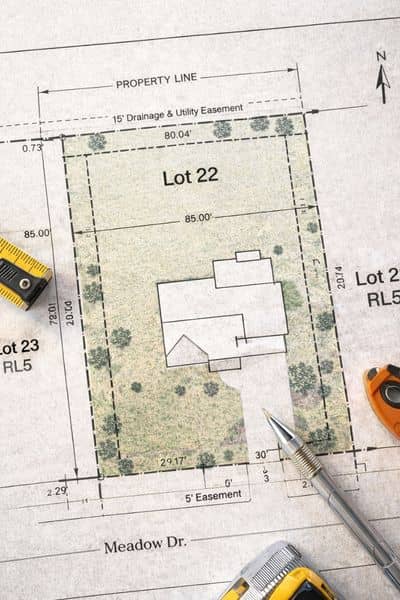
Many people think a property survey is just paperwork from when they bought their home. In reality, it is one of the most useful tools you can have when planning changes.
A property survey clearly shows where your land begins and ends. It also shows important details that are easy to overlook, like areas where you cannot build or zones that must stay open.
More importantly, it gives you a clear picture of how your yard fits within your actual property. That matters a lot when you start making changes that affect layout and space.
Instead of guessing or relying on old assumptions, you get real, accurate information.
Why Yard Changes During a Drought Can Create Problems
Right now, more homeowners are changing their yards than usual. Because water use is a concern, people want low-maintenance, low-water designs.
That shift leads to more construction in outdoor spaces. People remove grass, install stone features, and expand usable areas. These updates often feel small, but they can change how property lines are used.
As a result, mistakes happen more often. A project that moves just a few feet in the wrong direction can cross a boundary without anyone noticing right away.
Over time, that mistake becomes harder to fix. What started as a smart water-saving decision can turn into a costly problem.
That is why reviewing your property survey before starting any work is a smart step.
Where Homeowners Often Go Wrong
Most problems do not come from big projects. Instead, they come from small decisions made without checking the details.
A homeowner might move a fence to open up space. Someone else might build a patio closer to the edge of the yard. Another person might assume their landscaping already follows the correct line.
These choices feel harmless in the moment. However, they rely on assumptions instead of facts.
Without a property survey, there is no way to be sure those changes stay within your land. And once something is built, fixing it becomes much harder.
Why an Old Survey May Not Be Enough
Some homeowners already have a property survey from when they bought their home. That can be helpful, but it does not always reflect the current situation.
Over time, properties change. Fences get replaced. Structures are added. Markers become hard to see or disappear completely.
Because of that, an older survey may not match what is on the ground today. If you are planning new work, it is important to make sure the information you are using is still accurate.
Even small differences can matter when you are working close to a boundary.
The Real Cost of Getting It Wrong
Mistakes with property lines do not stay small for long. At first, everything may seem fine. Then a neighbor notices. Or a permit review raises questions. Or a future buyer asks for clarification.
At that point, the problem becomes expensive.
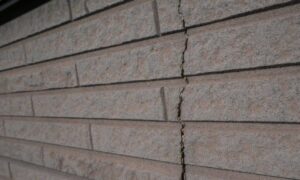
You may need to remove part of a structure. You might have to rebuild a fence. In some cases, disagreements with neighbors can take time and money to resolve.
All of this can start from a simple project that did not begin with a clear understanding of the property.
On the other hand, checking your property survey early helps you avoid these issues completely.
Why Working With a Professional Makes a Difference
While online maps and old documents can give you a general idea, they are not always reliable. If you want to be sure, it helps to work with a licensed land surveyor.
A professional land surveyor can confirm your boundaries and show you exactly where your property lines are on-site. That gives you clear guidance before you build anything new.
Instead of guessing, you can move forward with confidence. You know your plans fit your property, and you reduce the risk of problems later.
Plan First, Then Build With Confidence
Denver’s drought is changing how people use their yards. More homeowners are making updates to save water and improve their space. That is a positive step.
However, every change you make affects how your property is used. Even small adjustments can create issues if they cross a boundary.
A property survey gives you the clarity you need before starting any project. It helps you understand your space, avoid costly mistakes, and protect your investment.
So before you rework your yard, take the time to check your survey. It is a simple step that can save you from bigger problems later.