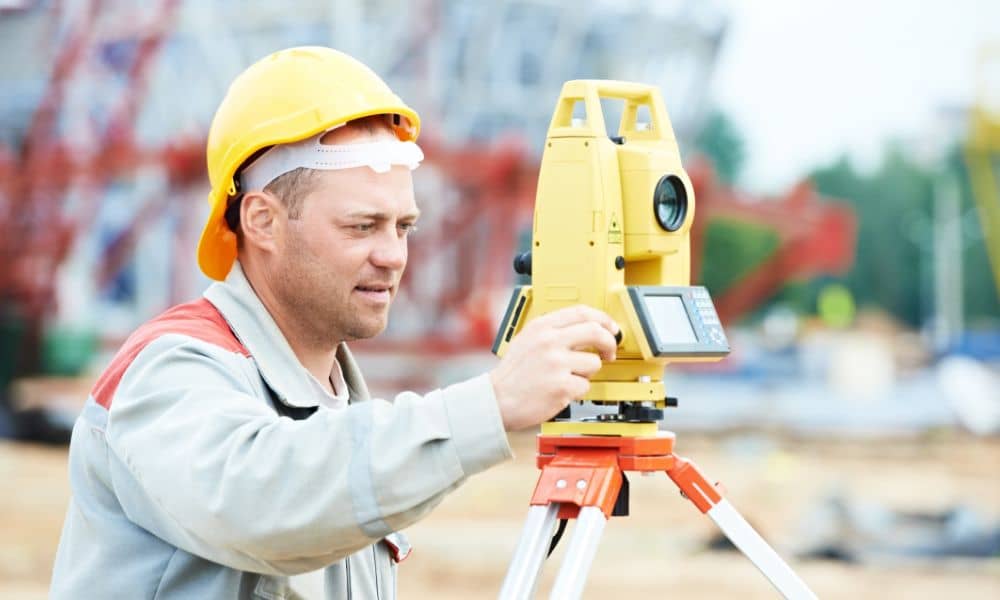
Denver’s construction industry keeps growing fast. New homes, offices, roads, and transit projects appear across the city. Because of this speed, every detail must stay accurate. One small mistake can cause delays, extra costs, or safety risks. That is why the role of a construction surveyor matters so much.
Most people never see survey work happening. Still, nearly every building project depends on it. Construction surveyors make sure structures go in the right place, at the right height, and within legal limits. Without this careful work, even skilled builders would struggle to stay on schedule.
So what does a construction surveyor really do on Denver’s busiest job sites? Let’s take a closer look.
Why Denver Projects Create Unique Survey Challenges
Denver has a mix of busy city areas and fast-growing suburbs. Downtown projects often involve small spaces, heavy traffic, and nearby buildings. On the other hand, projects outside the city deal with slopes, soil changes, and drainage problems.
Weather also plays a big role. Snowstorms, freezing nights, and fast temperature changes affect the ground and equipment. Because of this, a construction surveyor must check measurements often to make sure nothing shifts.
As a result, surveyors need strong skills and quick thinking. Every job brings new challenges, so accuracy stays critical from start to finish.
What Construction Surveyors Handle Every Day
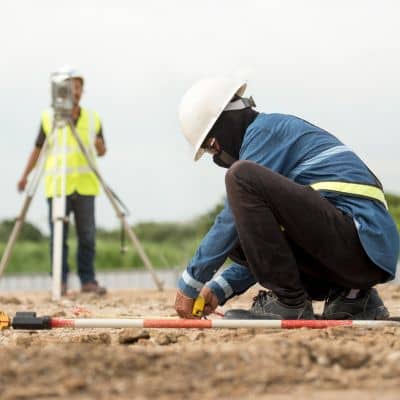
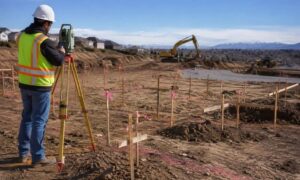
Many people think surveyors only place a few stakes in the ground. However, the job involves much more than that.
A construction surveyor manages several key tasks, such as:
- Setting control points for the entire site
- Marking building corners and foundation lines
- Setting grades and elevations
- Laying out utilities and drainage systems
- Checking slopes and alignment
- Creating as-built surveys for inspections
Each step affects the next phase of construction. If one mark moves, everything else can shift. Because of this, surveyors double-check their work many times.
They also work closely with contractors, engineers, and project managers. This teamwork helps everyone follow the same accurate plans.
What Online Discussions Reveal About the Job
Across online forums, surveyors often share what they deal with daily. These conversations show how demanding modern construction surveying can be.
Many talk about snow hiding control points, cold weather affecting equipment, and tight deadlines. Others mention the pressure of working on fast job sites where crews wait for layout before they can continue.
Instead of sounding negative, these stories show how much responsibility surveyors carry. They know their work affects safety, timing, and costs.
For clients, this matters. A skilled construction surveyor protects your project by spotting problems early and keeping work accurate.
Why Accuracy Matters on Fast Construction Jobs
Construction schedules move quickly. Crews often pour concrete, set steel, and frame buildings within tight timelines. Because of this, survey data must stay precise.
When survey work stays accurate, projects move smoothly. Crews work with confidence, and inspections pass faster. However, when errors happen, problems grow.
For example:
- A misplaced foundation can affect the whole building
- Poor drainage slopes can cause water problems
- Utility mistakes may require digging again
- Property line errors can lead to legal trouble
Each mistake increases costs and delays the project. Because of this, careful surveying prevents many future issues.
How Construction Surveyors Keep Projects Moving
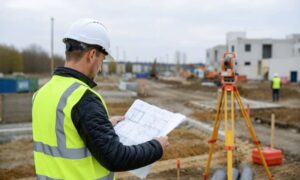
Experienced surveyors follow clear steps to keep work accurate. First, they set strong control points across the site. Then, they check these points often to make sure nothing has moved.
During construction, they review layout lines and elevations before major work begins. This helps catch problems early.
They also adjust their work based on site conditions. During winter, they plan for snow and frozen ground. In busy city areas, they work around traffic and buildings. Through planning and flexibility, they keep projects moving forward.
This shows how a construction surveyor helps manage both quality and timing on job sites.
What This Means for Owners and Builders
For property owners and developers, good surveying makes a major difference. Skilled survey work helps projects stay on budget, meet deadlines, and avoid costly fixes.
When surveying runs smoothly:
- Construction moves faster
- Fewer mistakes happen
- Less material goes to waste
- Crews stay productive
- Stress stays lower
In contrast, poor surveying causes delays, rework, and frustration. Because of this, hiring a reliable construction surveyor protects your investment.
How Surveyors Adapt to Denver’s Growth
Denver continues to expand. New buildings and roads appear every year. Because of this growth, surveying tools and methods keep improving.
Modern surveyors use advanced equipment, such as robotic instruments, GPS systems, and digital software. These tools help increase speed and accuracy.
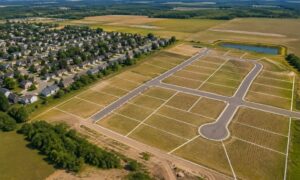
Some projects also use drone surveys and aerial mapping to support planning. These tools offer a wider view of the site and help spot issues early.
By combining skill and technology, surveyors deliver better results on today’s complex projects.
How to Choose the Right Construction Surveyor
Not every survey company focuses on construction work. Some handle mainly boundary or residential surveys. However, large projects need professionals who understand construction timelines and field coordination.
When choosing a construction surveyor, look for:
- Experience with projects
- Strong construction layout skills
- Knowledge of local codes
- Clear communication
- Fast response times
These qualities help ensure smooth progress from start to finish.
Final Thoughts
Construction surveyors may work behind the scenes, but their role remains critical. Their careful measurements guide every stage of building.
From small homes to major road projects, their accuracy keeps construction safe, efficient, and on track. As Denver continues to grow, the work of the construction surveyor will remain one of the most important parts of the building process.