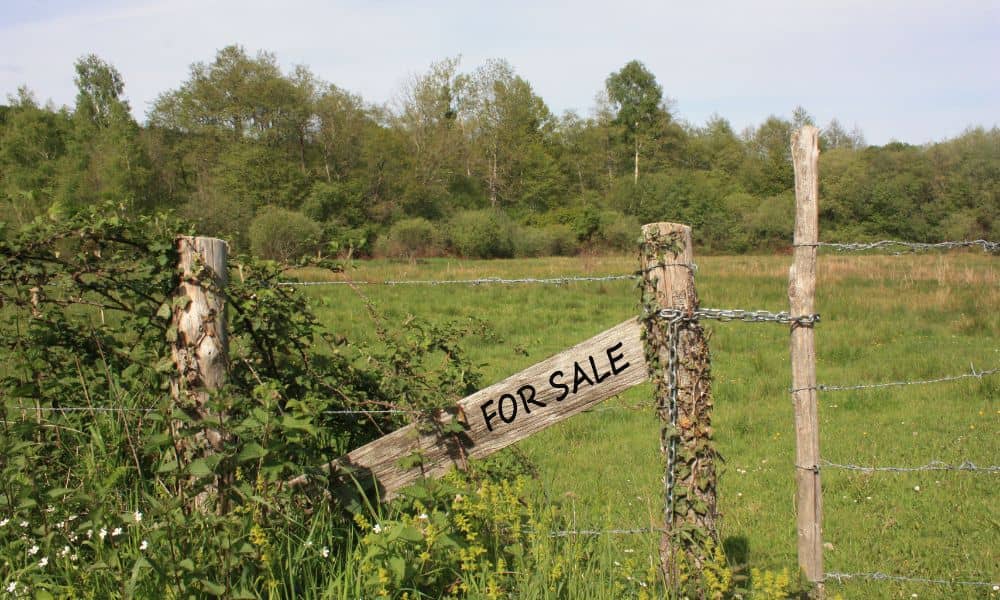
Buying rural land feels exciting. Whether it’s a wide-open parcel on Colorado’s eastern plains or a mountain lot near Evergreen, many people dream of having space to build, farm, or invest. But rural property comes with its own set of challenges. That’s why real estate attorneys, lenders, and surveyors often recommend starting with a due diligence survey. This process uncovers details that may not be obvious at first glance but can make or break a deal.
What Is a Due Diligence Survey?
A due diligence survey is more than just a map of the land. It’s a detailed look at the physical and legal features of a property before you close on the sale. In simple terms, it’s the research and surveying work that makes sure you know exactly what you’re buying.
For rural properties, this survey can include checking boundaries, confirming legal access, reviewing easements, and spotting environmental concerns. Unlike a standard boundary survey, a due diligence survey digs deeper. It connects the dots between land records, physical conditions, and future use.
In Colorado, where zoning laws, water rights, and mountain terrain add layers of complexity, this step can save you from expensive surprises later.
Why Rural Land Needs Extra Attention
Rural parcels often cover large areas, and many have a long history of ownership. Some were split decades ago with only rough descriptions in deeds. Others come with private dirt roads, irrigation ditches, or even grazing leases that aren’t obvious to the buyer.
A due diligence survey brings these hidden issues to light. For example, land in Douglas County may look perfect for a home site, but a survey might reveal that the access road crosses three neighbors’ lots without a legal agreement. Or a property in Jefferson County could sit within a floodplain, making construction more expensive than expected.
The point is simple: rural properties are unique, and assumptions can lead to risk.
Boundaries and Legal Access
One of the first things a due diligence survey confirms is where the property actually begins and ends. This matters because fencing doesn’t always match deed descriptions. Over time, ranchers and neighbors may have built gates or corrals that wander across the line.
Equally important is access. Some parcels outside Denver are landlocked, meaning they don’t touch a public road. Without a recorded easement, you may not have the right to drive to your own property. Working with a land surveying company helps clarify those access rights, showing whether they are properly recorded and pointing out any gaps that could create problems later.
Easements and Land Use Restrictions
Easements are another key part of rural land ownership. They allow others—like utility companies, ditch operators, or neighbors—to use part of your property. While these might not seem like a big deal, they can limit what you build or where you place improvements.
That’s why surveyors sometimes treat this step as an easement and right-of-way survey. It not only reviews recorded agreements but also shows how those rights cross the property and where they could affect your plans. In Colorado’s rural areas, that might mean buried water lines, oil and gas pipelines, or shared irrigation ditches. Seeing these details mapped out early helps you avoid surprises and plan improvements with confidence.
Wells, Septic, and Soils

Unlike city properties, rural parcels usually depend on wells and septic systems. A due diligence survey can tie together location data with county health rules, showing if the property has space for a well and septic that meet standards.
Soils also matter. A survey may include soil data or connect you with testing to see if the ground supports a foundation or septic drain field. For example, clay-heavy soils east of Denver can shift over time, affecting both homes and barns. These are details you don’t want to discover after construction begins.
Environmental and Flood Concerns
Colorado’s mix of rivers, creeks, and foothill runoff means rural properties may fall into flood zones or contain wetlands. A due diligence survey identifies FEMA floodplain boundaries and compares them with actual site elevations.
For buyers, this means understanding if flood insurance is required or if construction costs will be higher. In addition, wetlands or riparian corridors can trigger restrictions on building or farming. By spotting these early, you avoid stalled projects or unexpected permit requirements.
Protecting Your Investment and Negotiating Power
Beyond the technical details, a due diligence survey gives you leverage. If the survey finds problems—like missing access, an encroaching barn, or a restrictive easement—you can bring this to the negotiation table.
In some cases, the seller may fix the issue, adjust the price, or provide additional rights. Without this survey, you risk closing on a property with hidden costs. In Denver’s competitive real estate market, where rural parcels are in demand, having solid information helps you make decisions with confidence.
How It Differs From an ALTA Survey
Many people hear about ALTA surveys when buying commercial property. While an ALTA is highly detailed and standardized, it’s not always required for rural tracts. A due diligence survey focuses on practical concerns specific to acreage, farms, and undeveloped land.
Think of it this way: an ALTA survey satisfies lenders and title insurers, while a due diligence survey satisfies the buyer’s need to understand the land. In some transactions along the Front Range, both may be used, but for rural property, due diligence often provides the most direct protection.
Key Takeaways
- A due diligence survey uncovers hidden risks before you buy rural land.
- It covers boundaries, access, easements, wells, septic, soils, and flood risks.
- In the Denver area, unique zoning rules, mountain terrain, and water rights make surveys even more important.
- With this knowledge, buyers gain peace of mind and negotiation power.
Final Thoughts
Buying rural property can be one of the most rewarding investments you’ll ever make. But wide-open spaces also bring wide-open questions. A due diligence survey answers those questions before you commit, ensuring the land is truly what it appears to be.
For anyone considering rural property, a due diligence survey offers clarity. It takes away the guesswork so you know what’s possible and what challenges may lie ahead.